
Last updated November 25, 2026
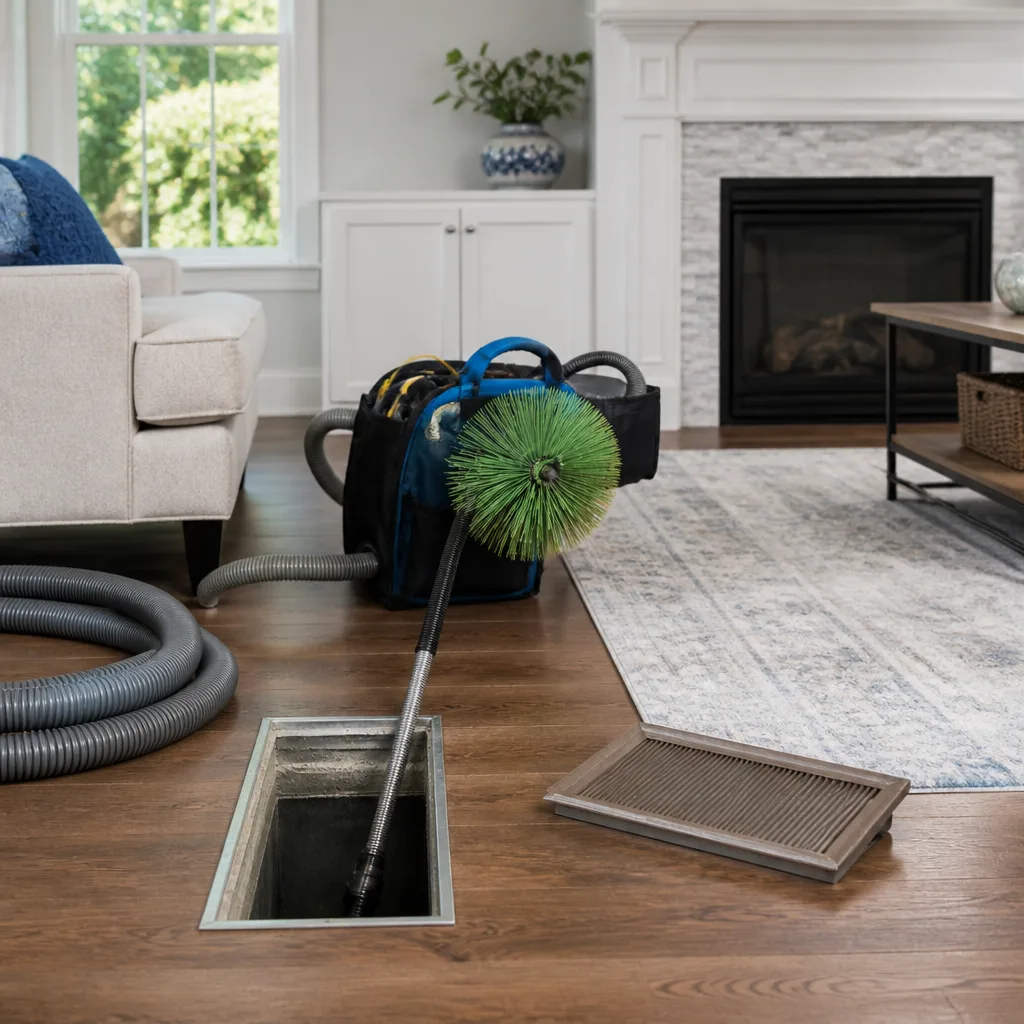 Whole-home duct cleaning
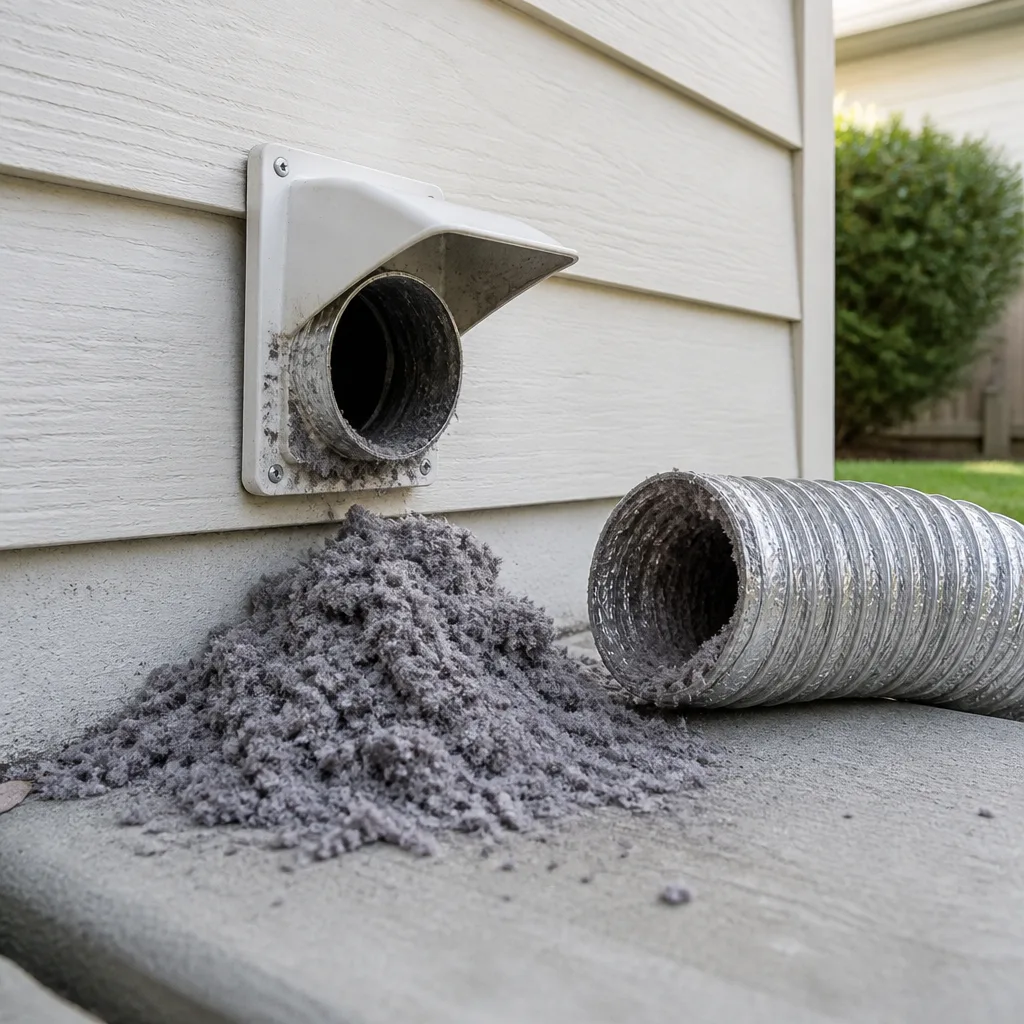 Dryer vent cleaning
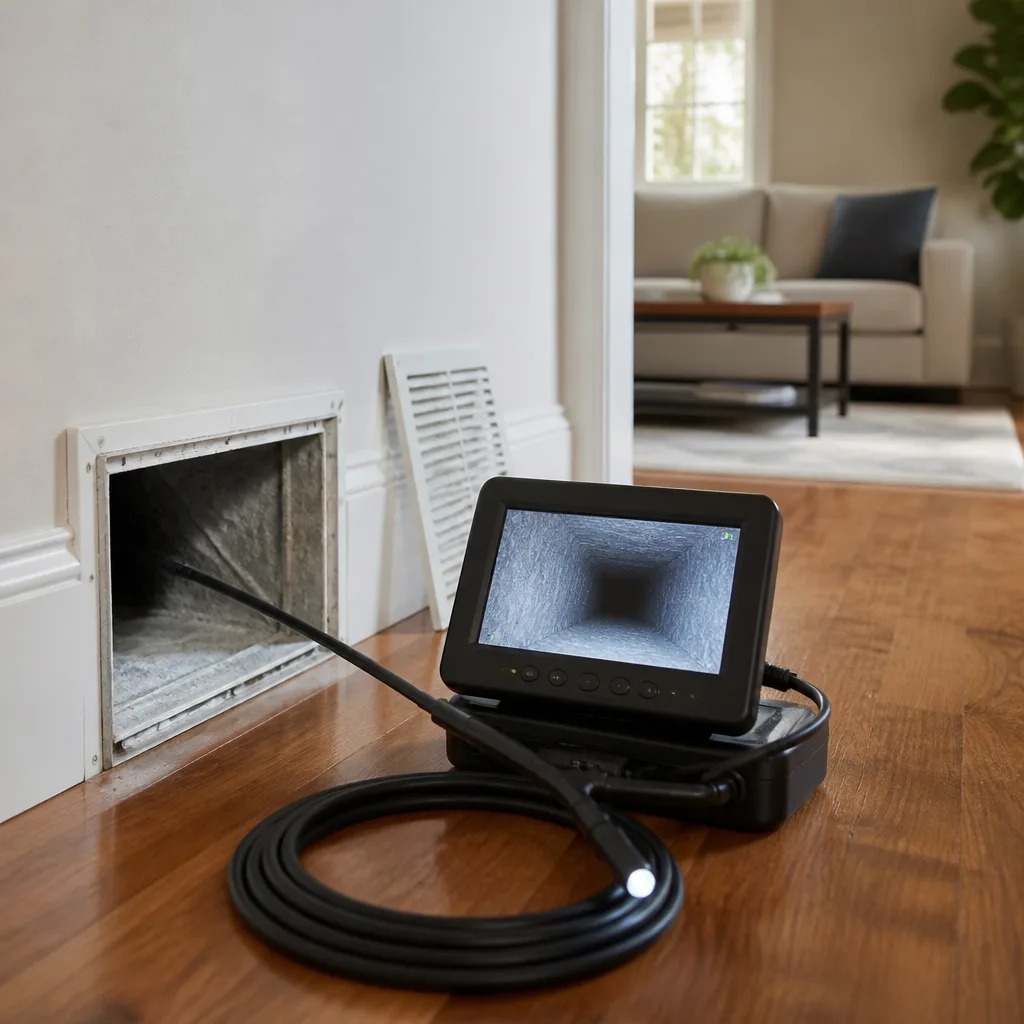 Camera inspection
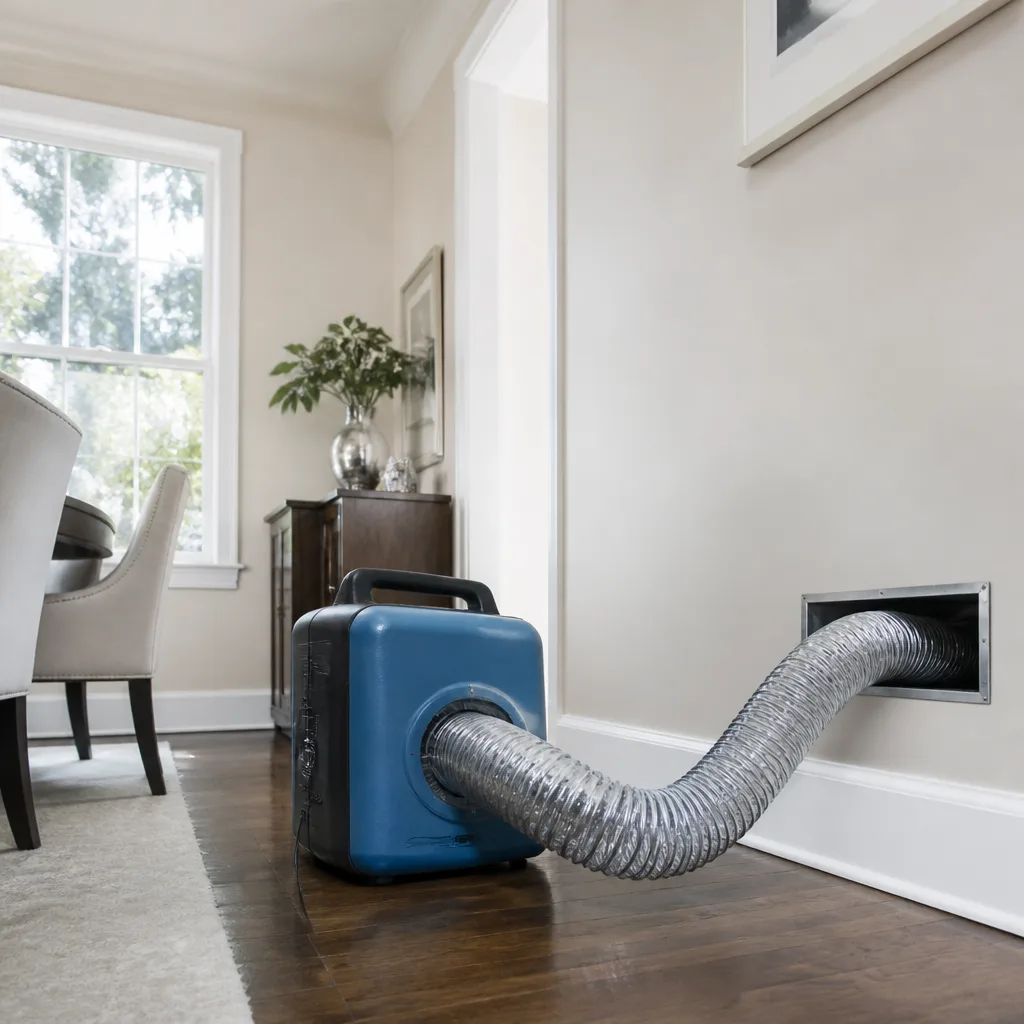 Sanitizing & deodorizing
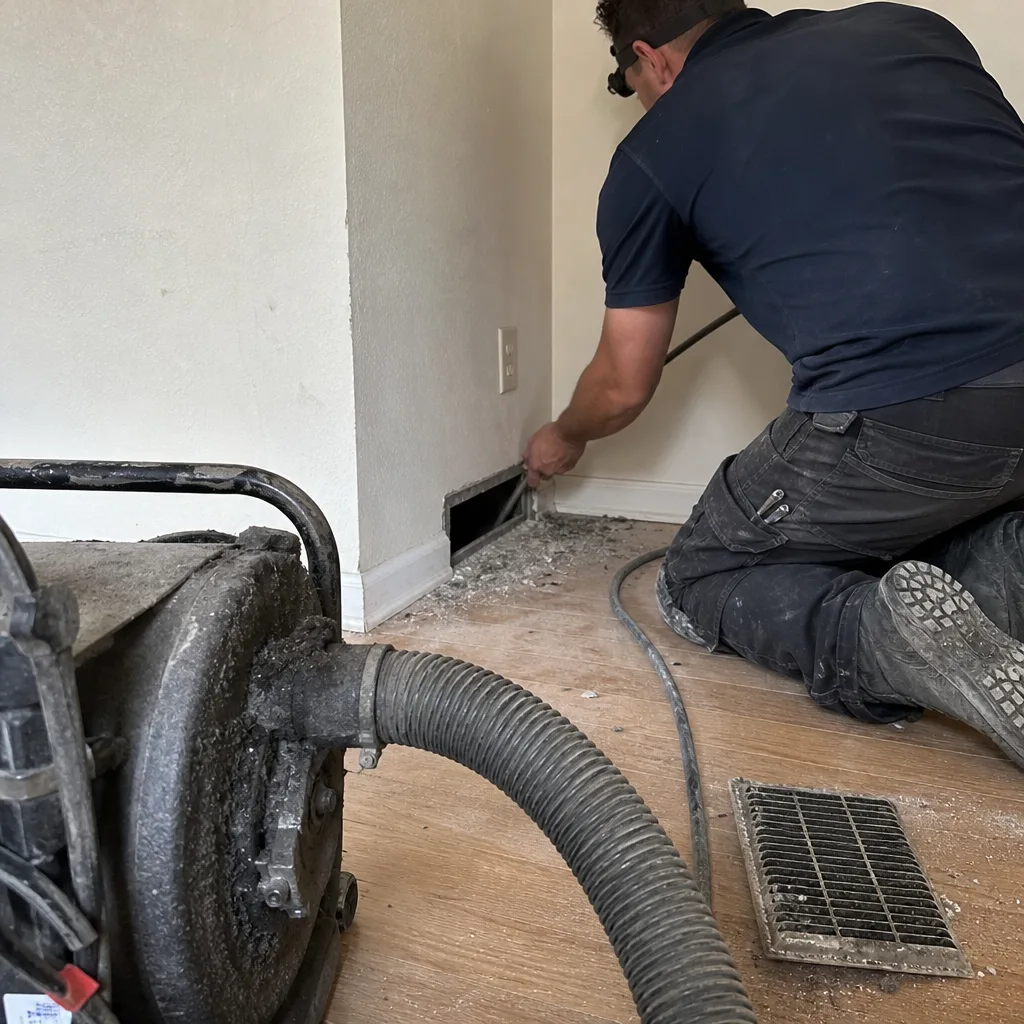
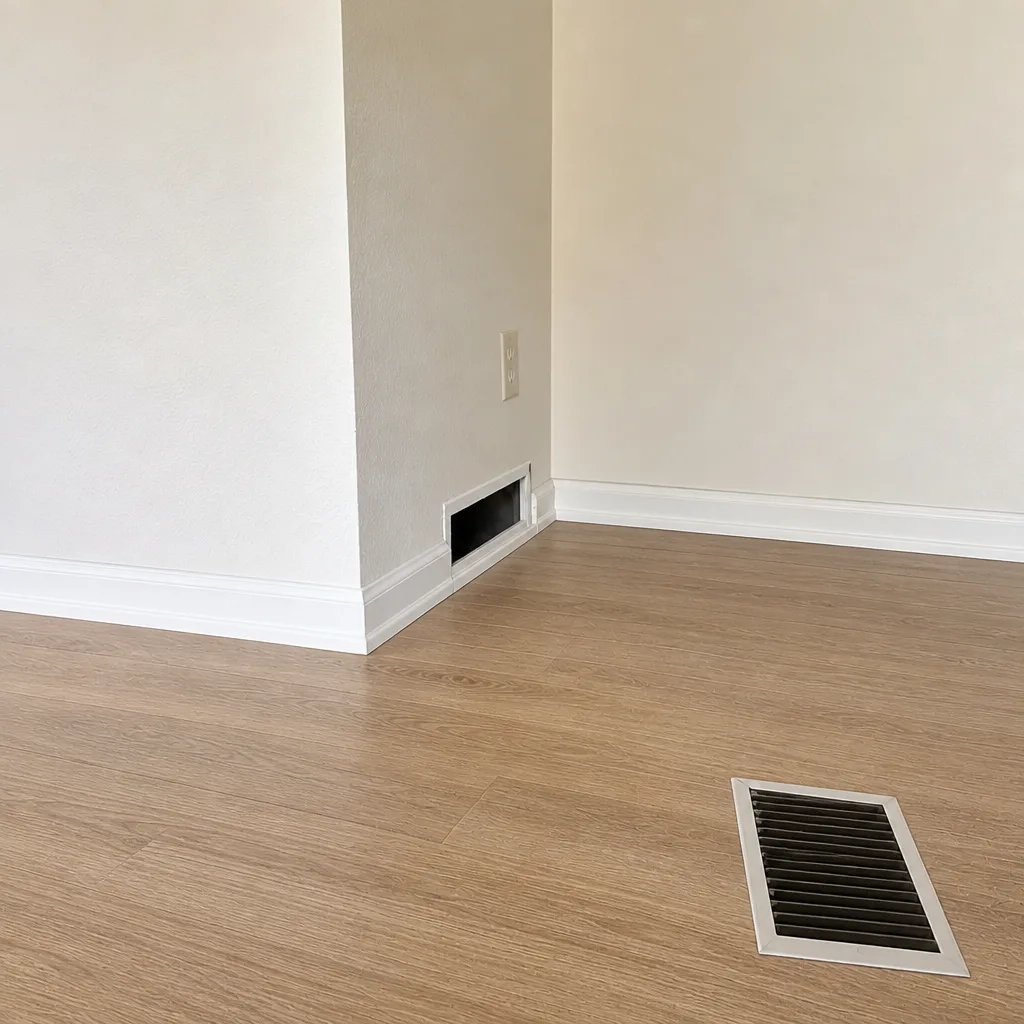
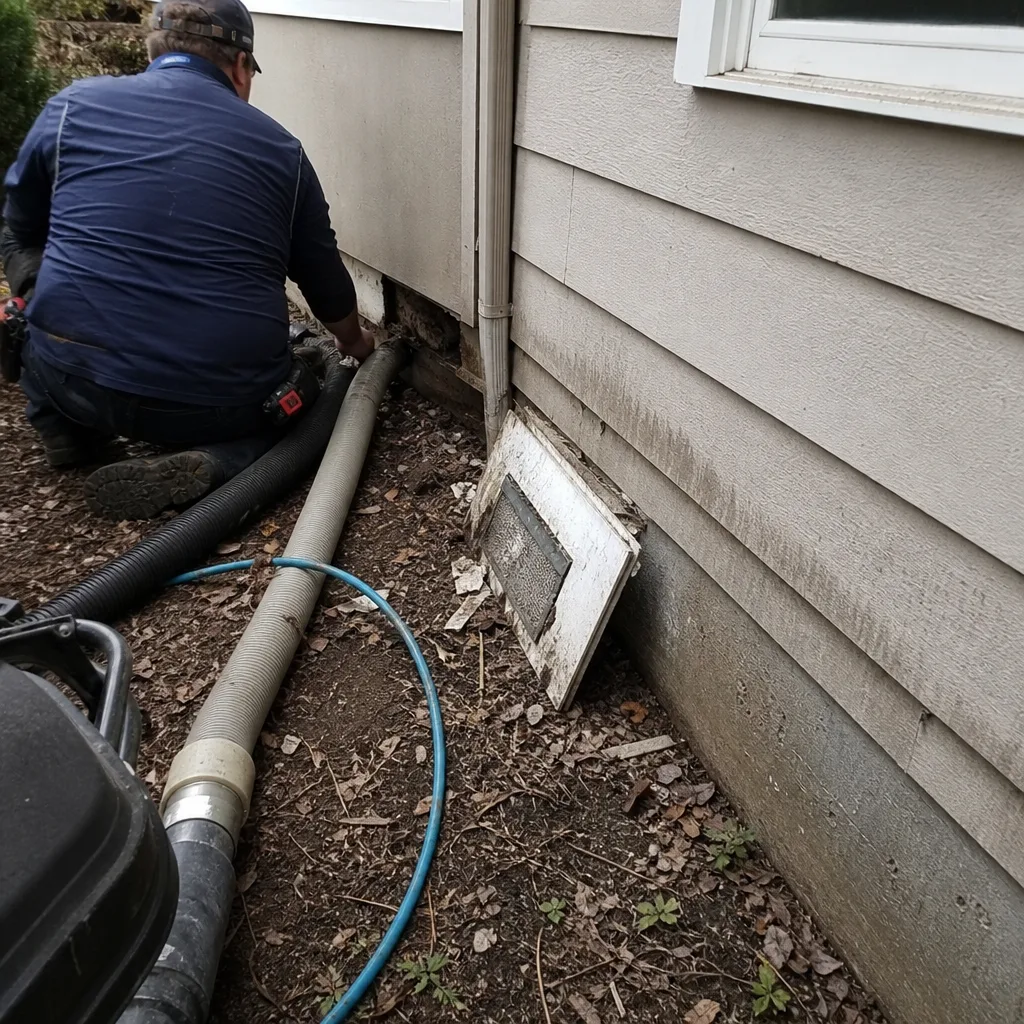
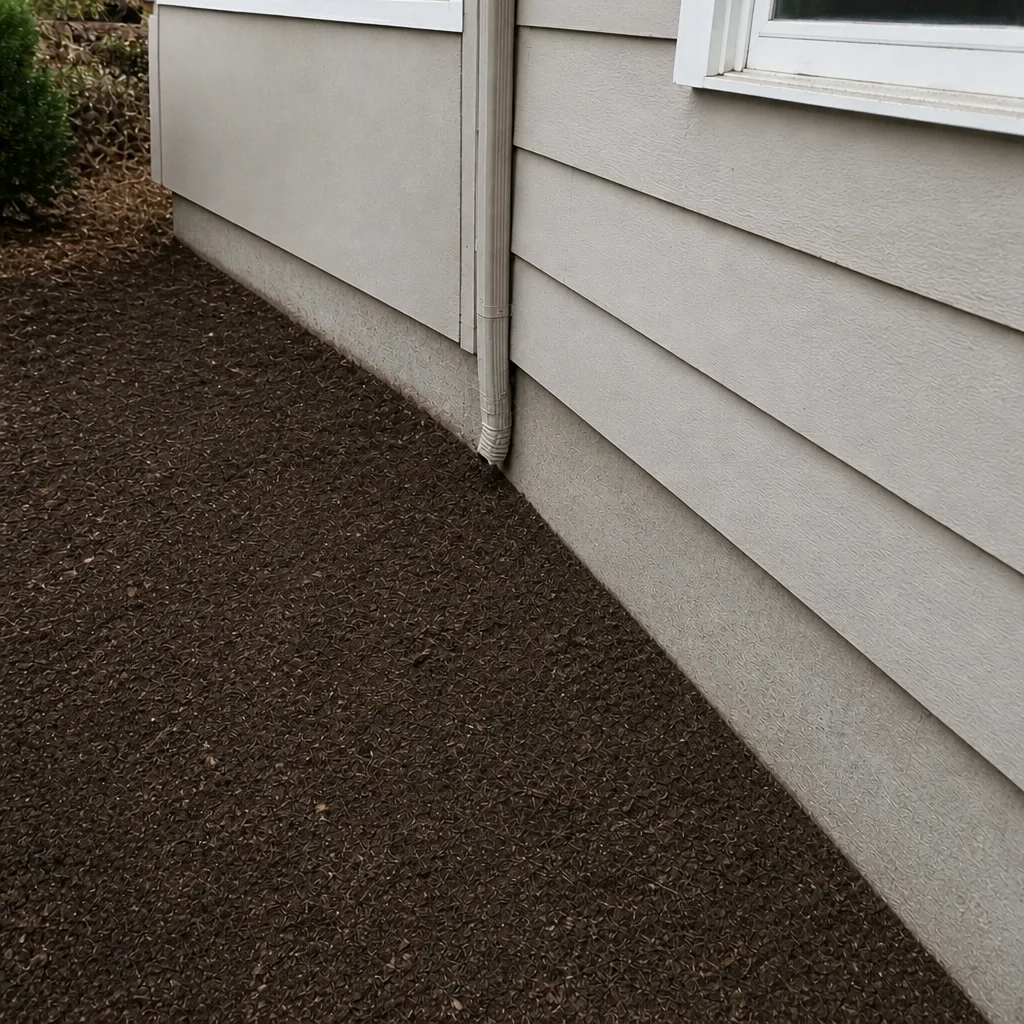
Whole-system duct and dryer vent check with before-and-after photos - you see exactly what came out of your vents
That "$99 whole-house special" is a bait ad - the real number appears once they are in your hallway, or the "clean" is a shop-vac at the register. We photograph the inside of your ducts before and after instead.
Air Duct Cleaning Troubleshooting in South Hill: Common Problems and How to Fix Them
If your ducts were just cleaned and you’re still sneezing, the cleaning may not have failed. Your duct system might have a breach, a collapsed flex line, or a contaminated coil that no brush can reach. That’s the part most homeowners never hear: a clean duct is only as good as the system carrying it. We wrote this troubleshooting guide for South Hill homeowners and property managers who want to understand what’s actually happening inside their ductwork, not just book another cleaning. You’ll learn how to tell a cleaning failure from a system problem, what to do when dust reappears, and when the right answer is repair and sealing instead of another pass with a vacuum.
Quick Answer
Most air duct problems that persist after cleaning trace back to one of five causes: a disconnected or collapsed duct joint, a dirty evaporator coil, leaky duct sealing, a pressure imbalance in the system, or contamination the cleaning didn’t reach. Fixing the root cause, not repeating the cleaning, is what solves it. In South Hill, where many homes were built in the 1960s through the 1990s, aging flex duct and undersized returns are common contributors we see in the field.
Styles & brands we work with
- Whole-home duct cleaning
- Dryer vent cleaning
- Camera inspection
- Sanitizing & deodorizing
Table of Contents
- How to Tell a Cleaning Failure From a System Problem
- Why Dust Reappears Soon After Cleaning
- Reading Airflow and Static Pressure as Diagnostic Signals
- Tracing Odor Sources: Coil, Plenum, or Duct Trunk
- When Re-Cleaning Is the Wrong Answer
- Duct Repair vs. Duct Sealing: Which Problem Needs Which Fix
- How South Hill’s Climate and Housing Stock Shape Duct Problems
- What You Can Check Yourself (and What You Shouldn’t)
How to Tell a Cleaning Failure From a System Problem
The first step in troubleshooting is diagnosing whether the cleaning itself was incomplete or whether your duct system has a mechanical fault. These produce similar symptoms (dust, reduced airflow, stale smells) but need very different responses. If you call for another cleaning when the real problem is a disconnected joint, you’ll be back to square one in six weeks.
Here’s the distinction we work through on every job in South Hill. A cleaning failure means contamination remained in areas the technician should have reached: the plenum, the boots at each register, the return trunk. A system problem means the ducts themselves are compromised: collapsed, disconnected, crushed, or leaking. One is a service quality issue. The other is a repair issue.
Ask yourself these diagnostic questions:
- Did the problem start before cleaning or after? If your airflow got worse immediately after the cleaning, the technician may have dislodged a connection that was already weak, or a flex run may have pinched during the job. If the problem predates the cleaning, a system fault is more likely.
- Is the symptom localized or house-wide? One weak register usually points to a duct run issue. Weak airflow everywhere points to the air handler, coil, or blower.
- Is dust concentrated near specific vents? Dust around a single register suggests a leaking boot or a loose joint at that branch. Dust around every register suggests a return-side problem.
- Do you hear a rattle or whistling? A popping or rattling flex line is a mechanical signal, not a cleaning one.
When we run an air duct cleaning call in South Hill, we walk the system first for exactly this reason. Fixed-duct and flex-duct systems have different failure points, and cleaning without inspection leaves the underlying fault untouched.
Why Dust Reappears Soon After Cleaning
Dust reappearing within a few weeks isn’t a sign the cleaning failed. It’s almost always a sign of duct sealing integrity issues, a dirty evaporator coil, or unfiltered outdoor air entering the system. Duct cleaning removes what’s inside the ducts. It can’t stop contamination from re-entering through a leaking joint or a coil that’s shedding debris into the airstream.
In our experience across South Hill homes, fast-recurring dust points to one of these causes:
- Leaking duct joints or boots. Every cubic foot of air that leaks out of a supply duct is replaced by air pulled in from the attic, crawlspace, or garage. That replacement air carries insulation fibers, dust, and sometimes vermin debris.
- Disconnected flex duct in the attic or crawlspace. A single disconnected run can deposit attic insulation dust throughout the whole house within days.
- A dirty evaporator coil. The coil sits downstream of the filter but upstream of the supply plenum. A fouled coil continuously releases microbial debris and dust into the airstream. No amount of cleaning downstream of the coil will fix it.
- A weak return path. If the return can’t pull air back efficiently, the system pressures the house and draws dusty air in around the windows and doors.
- Poor filter fit. A filter that doesn’t seat fully lets unfiltered air bypass into the blower.
If dust returns within two weeks in a South Hill home, sealing integrity and coil cleanliness need to be checked before another cleaning pass is booked. Duct repair and sealing is often the right answer here, and we offer dryer vent cleaning alongside full duct work when both systems need attention in the same appointment.
Reading Airflow and Static Pressure as Diagnostic Signals
Reduced airflow is a symptom people feel before they can explain it: rooms that never cool right, registers that push air weakly, a system that runs longer and longer. But airflow readings are also one of the most useful diagnostic tools a technician can use to locate a duct problem. Static pressure, measured at the return and supply plenums, tells us how much resistance the system is fighting.
High static pressure almost always means one of these:
- Undersized return ductwork (common in older South Hill homes)
- Clogged or collapsed flex duct runs
- A fouled evaporator coil restricting airflow
- An oversized blower for the duct system
- Filters that are too restrictive for the system (a common troubleshooting trap)
Low static pressure with weak airflow usually points to duct leakage. The system is moving air, but a significant portion is escaping into the unconditioned space before it ever reaches your registers. In a South Hill home with ducts routed through a vented attic, that leakage is invisible from inside and shows up as comfort complaints instead.
How Static Pressure Readings Guide the Fix
- Measure baseline static pressure at the return plenum and supply plenum.
- Compare against the blower manufacturer’s rated static pressure range.
- Isolate each duct run with a flow hood or similar tool.
- Identify whether the resistance is upstream (return side) or downstream (supply side).
- Confirm whether the fix is cleaning, sealing, repair, or filter change.
When we run HVAC cleaning in South Hill, static pressure is part of the flow we evaluate. A cleaning that ignores pressure gives you a clean system that still can’t perform.
Tracing Odor Sources: Coil, Plenum, or Duct Trunk
Duct odor is rarely one problem. It’s usually three or four different root causes wearing the same smell. The trick is matching the smell to its source. Here’s how to trace it:
Musty, wet, or gym-locker smell
Almost always the evaporator coil or the wet surfaces around it. In South Hill’s wet winter and spring months, moisture can sit on the coil between cooling cycles. Mold on a coil needs coil cleaning and proper drainage checks, not just duct cleaning. A steady musty smell that returns within days of cleaning is a coil signal.
Stale, dusty, dry smell
Usually debris settled in the supply plenum or trunk line. Plenum cleaning is a distinct step that removes settled dry debris that a brush pass down the main trunk can’t always reach. If the smell is present only when the system is running and fades when it’s off, the plenum or trunk is a strong candidate.
Sharp, decayed, animal smell
A dead rodent in the duct trunk or a return branch. In South Hill, crawlspace and attic returns are common entry points. If the smell is strong and localized to one room, suspect a dead animal in the branch feeding that room. Rodent contamination needs removal and sanitizing, not just cleaning. Ask the technician to include this in the scope before booking.
Chemical or burning smell
This is not a duct contamination issue. Stop running the system and call an HVAC technician for the electrical or mechanical side.
Interpreting the odor correctly saves both time and money. A musty smell needs coil attention. A dead-rodent smell needs sanitizing after removal. A dry-stale smell usually needs plenum cleaning plus the supply trunk. Nothing about a duct cleaning replaces coil cleaning or plenum attention, and nothing about coil cleaning replaces duct cleaning.
When Re-Cleaning Is the Wrong Answer
Sometimes the correct next step is repair or sealing, not another cleaning. Re-cleaning ducts that are already clean but mechanically compromised just resets the clock on the same complaint. Here’s when to stop cleaning and start repairing:
- You can see daylight through a duct joint. That’s a leak, not a cleaning issue.
- The flex line at a register is collapsed, crushed, or disconnected. No brush will fix a crushed duct, and pushing air through it just recirculates debris.
- Dust bounces back within two weeks of a professional clean. The system is re-contaminating itself.
- The odor pattern repeats. A musty smell that keeps returning is a coil or drainage issue.
- Airflow at registers is uneven across the house and doesn’t improve after cleaning. That’s a design or balance problem, not a dirt problem.
- The technician found damaged insulation or torn duct liner. That needs replacement, not cleaning.
When we clean ducts and find compromised sections, we flag them and quote the repair in the same visit. That’s why we offer duct repair and sealing as a core service rather than a handoff. In South Hill homes with attic or crawlspace ducts, sealing is often the single highest-value duct improvement a homeowner can make, and it turns a recurring cleaning cycle into a one-time fix.
Duct Repair vs. Duct Sealing: Which Problem Needs Which Fix
Repair and sealing are often confused. Repair fixes structural failures: collapsed flex, disconnected joints, torn liner, cracked boots. Sealing addresses leakage between components that are otherwise intact. Most South Hill duct systems we encounter need a mix of both, but the diagnosis comes first.
Repair handles:
- Collapsed or crushed flex duct runs
- Disconnected joints at boots and plenum connections
- Torn liner or damaged duct insulation
- Physically damaged boots or registers
- Rodent-damaged duct sections
Sealing handles:
- Leaking joints between intact duct sections
- Gaps at boots and registers
- Leaks at the plenum-to-trunk connection
- Small tears that don’t compromise structure
- Return-side leakage pulling in attic or crawlspace air
Here’s the sequence we follow on a South Hill repair-and-seal job:
- Inspect the full duct run, including hidden sections in attic and crawlspace.
- Identify structural failures versus leak points.
- Repair structural issues first (replacement and re-fit of damaged sections).
- Seal remaining leak points with appropriate duct mastic and tape.
- Verify airflow improvement with a static pressure measurement before and after.
When we combine cleaning with repair and sealing on a South Hill job, contamination doesn’t get a chance to re-enter. If you’re not sure which fix you need, our South Hill Air Duct Cleaning Pros team can walk your system during the estimate and quote the right scope.
How South Hill’s Climate and Housing Stock Shape Duct Problems
South Hill’s location in western Washington shapes the duct problems we find here in specific ways. The wet fall and winter months drive long, humid cycles inside return ducts and the coil area, which pushes mold and microbial growth into the troubleshooting chain more often than in drier climates. The region’s summers are milder than most, but the cooling season still runs long enough to move a lot of air through coils and returns.
Housing stock matters too. Many South Hill homes built in the 1960s through the 1990s use attic or crawlspace duct routing with flex duct that’s now past its anticipated service life. Flex duct that old commonly shows:
- Sagging runs that pinch airflow
- Crushed sections under attic insulation
- Joints where the inner liner has separated from the outer sleeve
- Insulation damage from rodents and moisture
Neighborhoods across South Hill, from the areas near the South Hill Mall corridor to the quiet streets off Meridian and Sunrise, share this pattern. A cleaning on a 1980s South Hill system without an inspection can miss all of these. That’s why we run Rotobrush and Nikro on the cleaning side and combine it with duct repair and sealing when the inspection turns up a structural issue. The good news is that once these issues are repaired, the South Hill climate is relatively kind to ductwork. Mild summers mean the cooling stress is lower than in hotter climates, and the shoulder seasons give the system room to dry between cycles.
What You Can Check Yourself (and What You Shouldn’t)
Some troubleshooting steps are safe for any homeowner. Others are not. The line is drawn at anything that puts you in direct contact with energized equipment, in a traffic area, or in physical danger. Ductwork runs through attics and crawlspaces, both of which can be unsafe without proper training and equipment.
Safe to check yourself:
- Feel airflow at each register with your hand. Note which are weak.
- Look at the dust pattern around each register. Heavy dust at one vent is a signal.
- Listen for rattling, popping, or whistling during operation.
- Check your filter and replace it if it’s visibly loaded.
- Note where smells come from (specific room, or whole-house).
- Look for visible debris or dust on the register covers after a cleaning.
Do not do yourself:
- Remove register covers and crawl into the duct system to inspect with a flashlight.
- Disconnect any flex duct to look for collapsed sections.
- Attempt to clean ducts with a shop vacuum. Consumer vacuums agitate more contamination than they collect.
- Open electrical panels or air handler cabinets to look at the coil.
- Enter an attic or crawlspace without the right safety setup. Both carry real hazards (fall risk, insulation fibers, tight-clearance air handlers, vermin).
What’s in your ducts is what your family breathes. A skilled technician using professional equipment, like the Abatement Technologies negative-air equipment we use on-site to contain dislodged contaminants, does the inspection without spreading the problem through your house. If you want more detail on the cleaning process itself, see our air duct cleaning page, which covers the method step by step.
Common Mistakes to Avoid
- Booking another cleaning before diagnosing the first one. If the first clean didn’t solve it, the second one won’t either unless the root cause is identified. In a South Hill home, that usually means inspection for leaks, coil condition, and duct structure first.
- Trusting a low per-vent coupon figure. A per-vent price is almost always a teaser. Duct systems are priced per system, not per vent, because the work varies with the layout, the size of the plenum, and how contaminated the trunk actually is. Ask for a per-system price in writing.
- Assuming the coil is clean because the ducts are. They’re separate components. Coil cleaning is its own scope and a fouled coil will keep depositing debris into a freshly cleaned duct system within days.
- Skipping the return side. Many cleaning jobs focus on the supply side and leave the return trunk behind. In South Hill homes with attic or crawlspace returns, that’s where the contaminated attic air enters.
- Ignoring a musty smell after cleaning. Musty smell is a moisture signal. In South Hill’s wet months, it often points to coil moisture or drainage. It won’t resolve on its own and it won’t clear with a re-clean.
- Doing nothing after a professional confirms a leak. Leaking ducts let attic insulation dust and crawlspace air into the system. Sealing that leak is what makes the cleaning last.
- Assuming duct cleaning is a yearly subscription. Most homes don’t need an annual cleaning. Some need repair and sealing once and then a clean every several years. Ask a technician what your system actually needs, not what fits a maintenance package.
See the difference
 Before
 After
 Before
 After
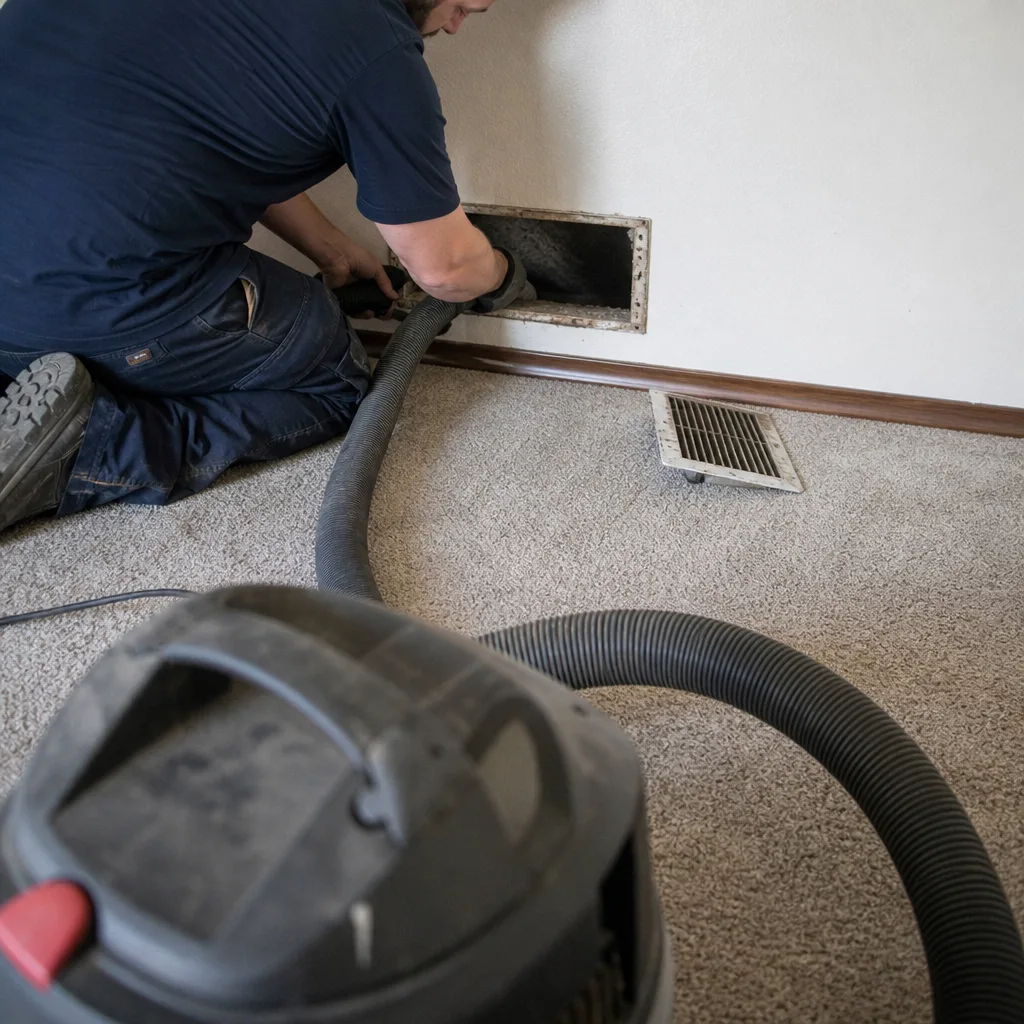 Before
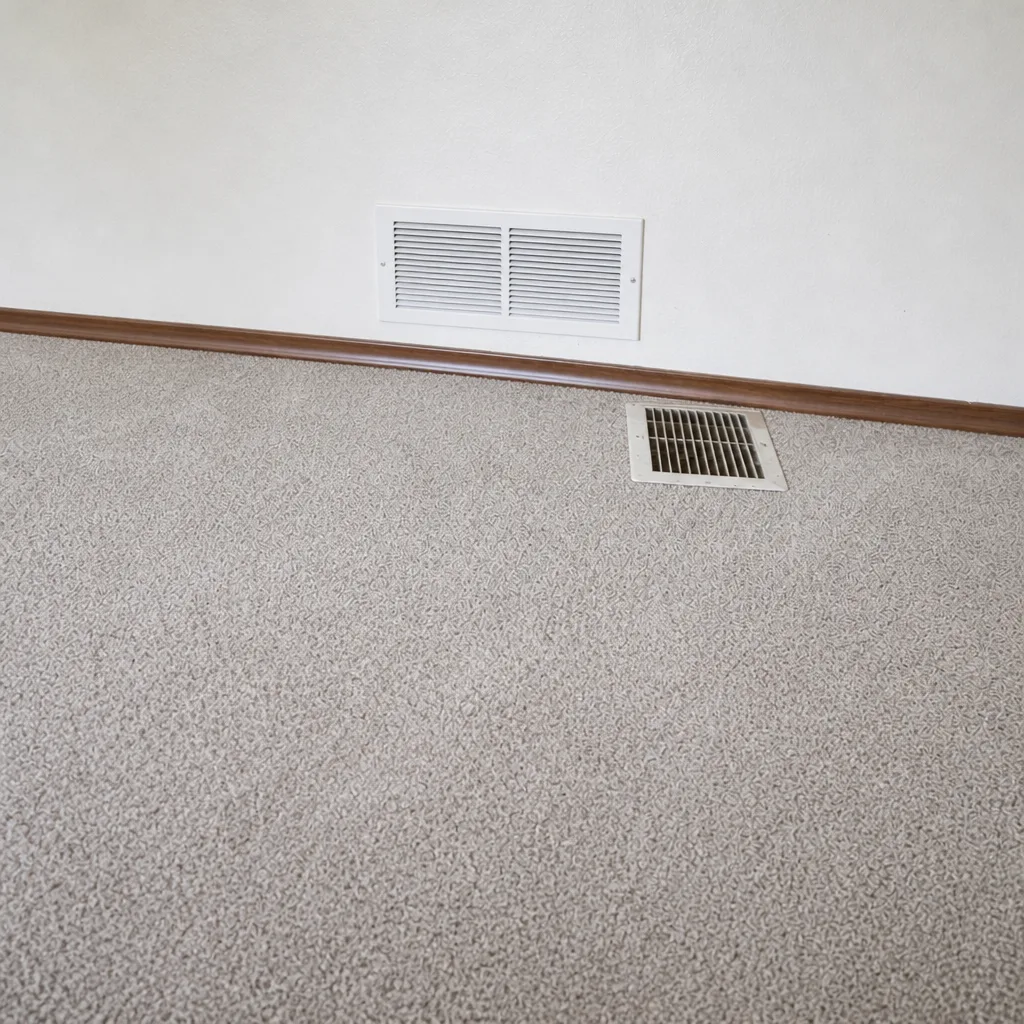 After
When to Call a Professional
Call a professional when dust returns within weeks of a cleaning, when airflow drops noticeably at some registers, when a musty or dead-animal smell appears and doesn’t clear, when you can see visible leaks at duct joints, or when you’ve never had the ducts inspected and your home is more than twenty years old. Any of these signals points to a system problem the wrong service can’t solve. In South Hill, we check each of these during a free estimate so you know exactly what the fix is before you book. South Hill Air Duct Cleaning Pros offers free estimates in South Hill. Call (833) 772-9858. We answer 24/7. Fast dispatch from 7am to 7pm, Sunday through Friday. Our technicians have up to 14 years of experience, and we stock our kits with Rotobrush, Nikro, and Abatement Technologies so the diagnosis and the fix happen in one visit.
Frequently Asked Questions
Most full-system air duct cleanings in South Hill fall in the low-to-mid hundreds of dollars per system, not per vent. Whole-system pricing depends on the number of returns, the size of the trunk, and how contaminated the ducts are. Duct repair and sealing is quoted separately after inspection. Call (833) 772-9858 for an exact quote. The estimate is free and the price is set per system in writing before work starts.
Low quotes usually mean per-vent pricing with a teaser rate, no plenum work, no return-side scope, or consumer-grade equipment. A legitimate whole-system cleaning covers supply, returns, the plenum, the boots, and the blower area, using professional equipment like the Rotobrush or Nikro systems we use. If a price is dramatically lower than every other quote, ask exactly what components are included. Call (833) 772-9858 for a written whole-system quote.
Ask for before-and-after photos of your own ducts, not stock images. A reputable technician will show you what was inside the ducts before cleaning, what the ducts look like after, and explain what was found (coil condition, leaks, damaged flex, plenum debris). Photos of your system are the proof. Call (833) 772-9858 to schedule a free estimate and see the process firsthand.
Most South Hill homes don’t need annual cleaning. A clean every several years, or after any major renovation, is usually enough unless there’s active contamination, a smoking or pet-heavy household, or a fresh contamination event. The right answer depends on the state of the ducts, so the useful question isn’t “how often” but “what condition are mine in.” Call (833) 772-9858 for an inspection-based recommendation.
Dust returning within two to three weeks is usually a duct sealing problem, a dirty evaporator coil, or unfiltered air entering the system through a leak. It’s rarely a cleaning failure. The fix is inspection, then repair or sealing as needed, not a second cleaning pass. Call (833) 772-9858 for a diagnostic estimate in South Hill.
No. Sealing alone leaves contamination inside the ducts and doesn’t remove the coil debris, plenum accumulation, or rodent contamination that already exists. The order matters: clean first, then seal and repair, then verify airflow. Consumer-available mastic and tape aren’t a substitute for a proper sealing job in an attic or crawlspace. Call (833) 772-9858 and we’ll walk you through the right sequence for your system.
The Bottom Line
Persistent duct complaints are usually a system problem, not a cleaning problem. If dust, airflow, or odor returns within weeks of a cleaning, the diagnosis should move from “clean again” to “find the fault” (leaking joints, collapsed flex, dirty coil, plenum debris). Once those are addressed with repair and sealing, duct cleaning becomes what it’s supposed to be: a maintenance step, not a recurring service call. Our technicians have up to 14 years of experience diagnosing exactly these issues across South Hill homes. If you’re not sure which problem you’re facing, that’s the conversation to have before booking anything.
For ductwork in South Hill, we also offer HVAC cleaning, dryer vent cleaning, and full duct repair and sealing as part of a single appointment. Our own equipment includes the Rotobrush and Nikro extraction systems, Abatement Technologies negative-air containment, and Honeywell or Aprilaire air quality equipment when a homeowner wants ongoing improvement after the cleaning. If you’d like a free estimate that tells you what your system actually needs, call (833) 772-9858. We answer 24/7. Fast dispatch from 7am to 7pm, Sunday through Friday. We’re closed on Saturday.
Written by the team at South Hill Air Duct Cleaning Pros.