
Last updated November 25, 2026
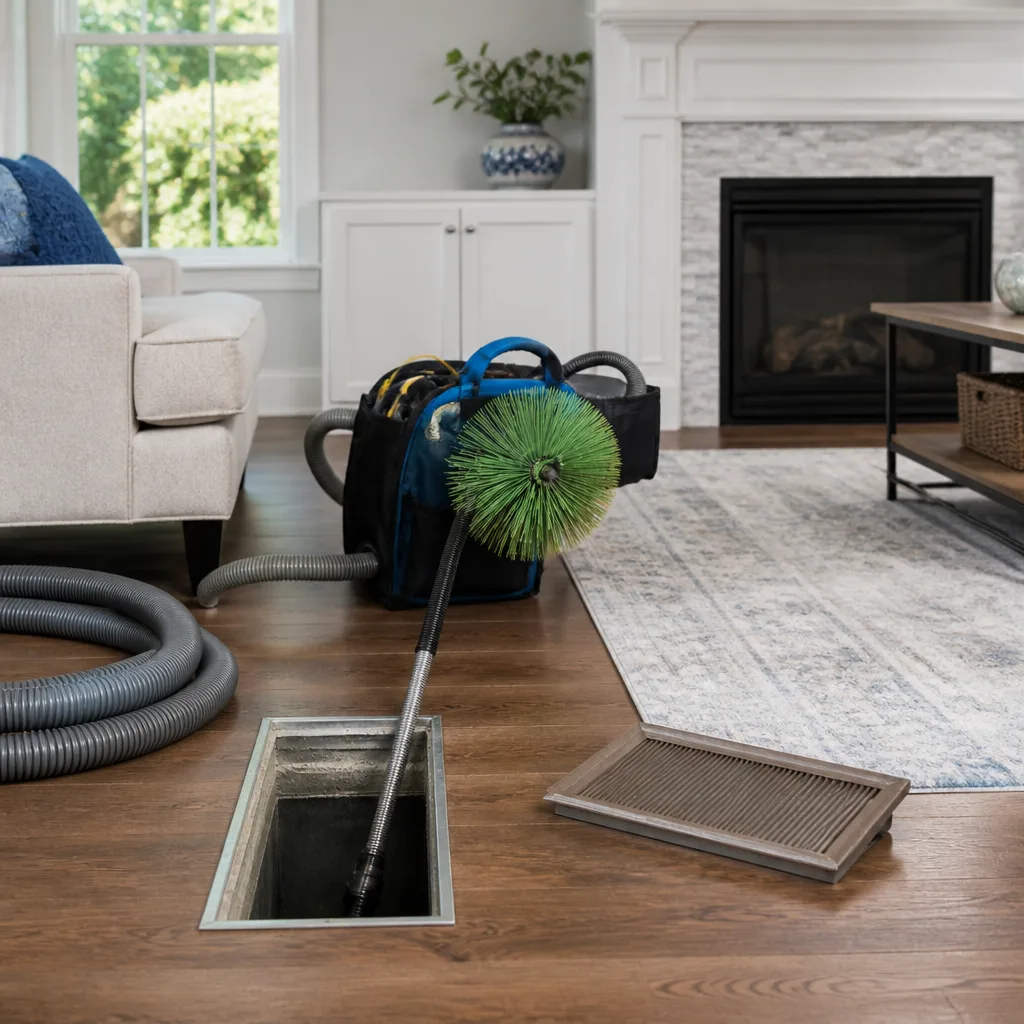 Whole-home duct cleaning
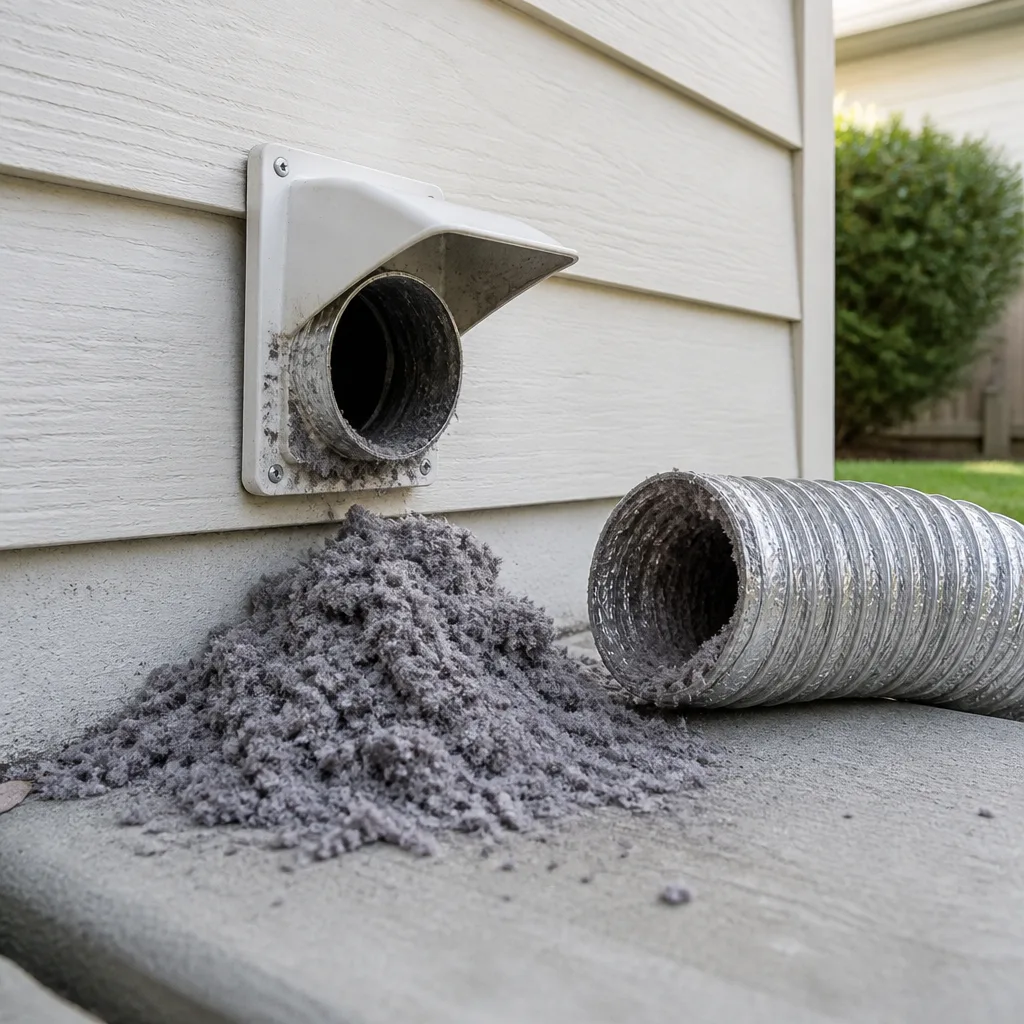 Dryer vent cleaning
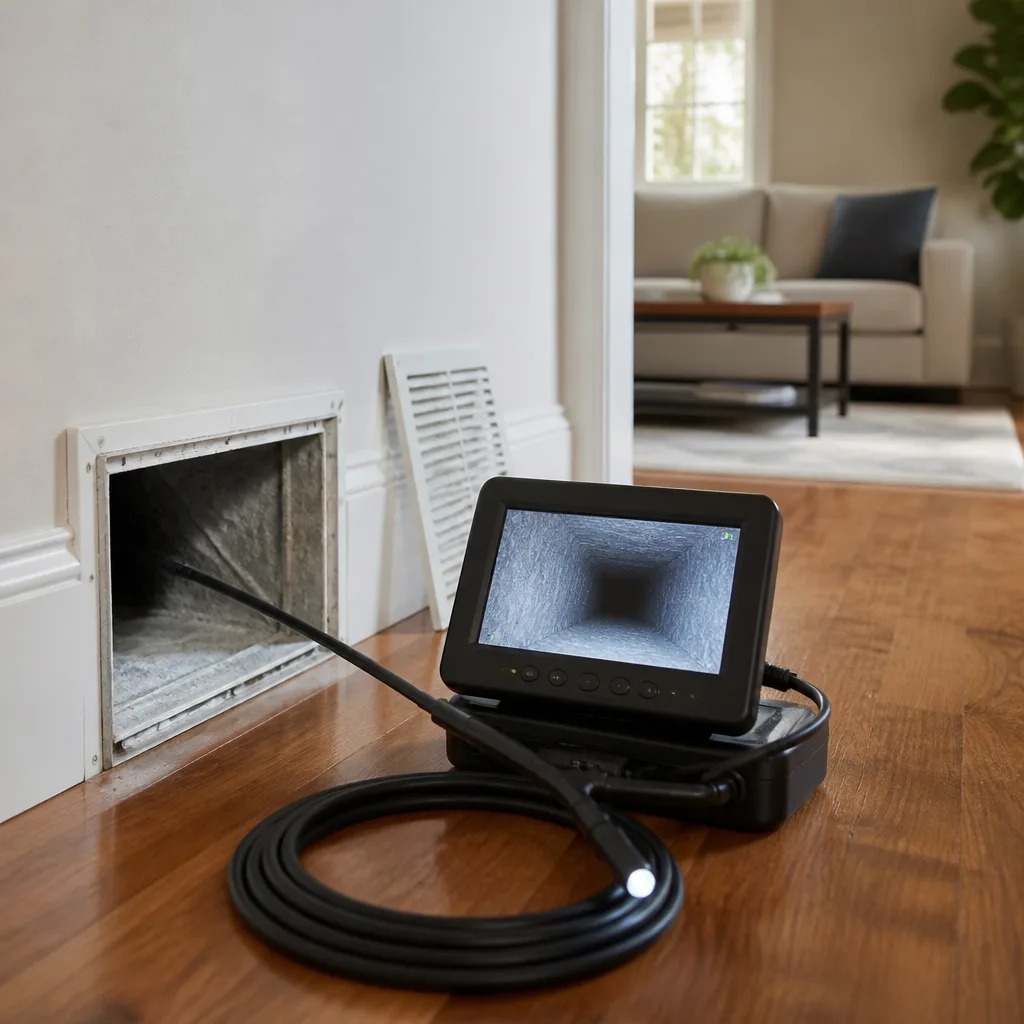 Camera inspection
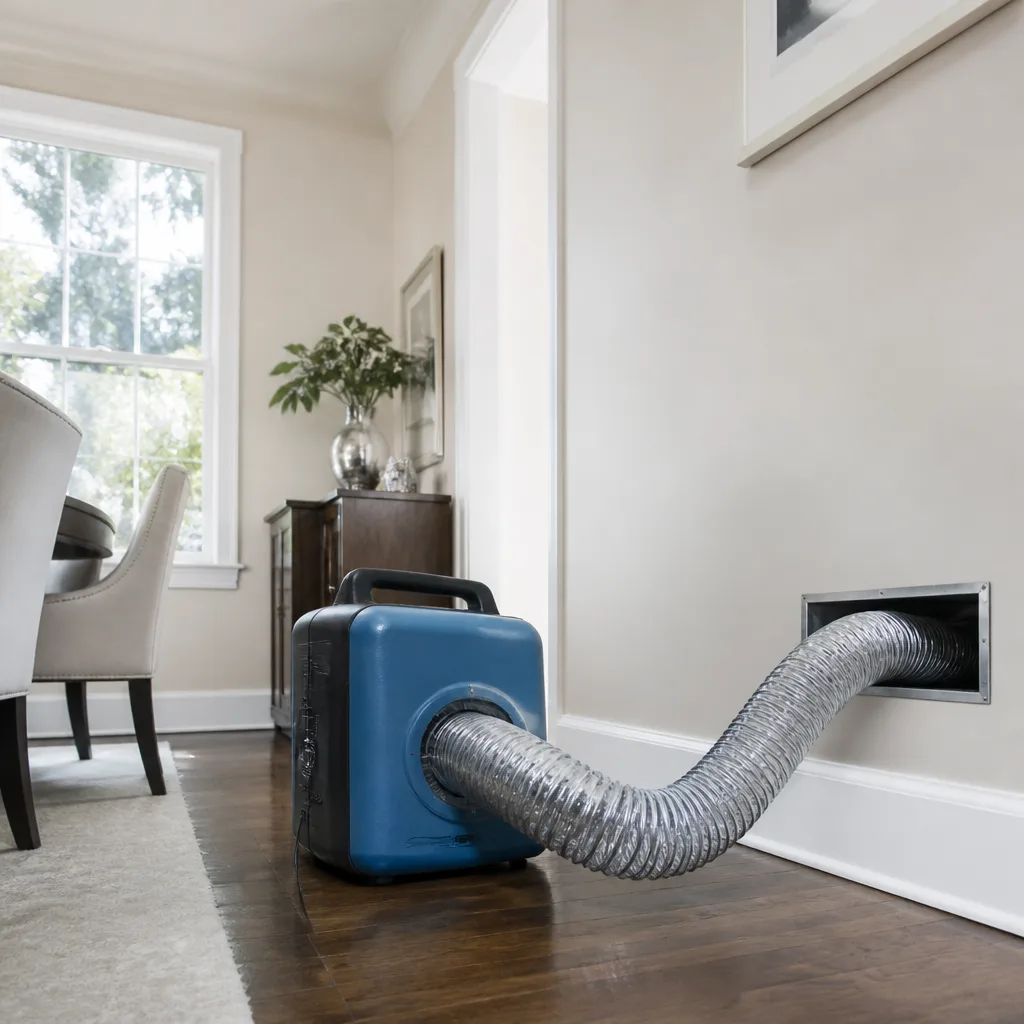 Sanitizing & deodorizing
Whole-system duct and dryer vent check with before-and-after photos - you see exactly what came out of your vents
That "$99 whole-house special" is a bait ad - the real number appears once they are in your hallway, or the "clean" is a shop-vac at the register. We photograph the inside of your ducts before and after instead.
Air Duct Cleaning Warning Signs: A South Hill Homeowner’s Reference Guide
Visible dust puffing from a register when the system kicks on gets blamed on dirty ducts almost every time. Often it isn’t. A failed filter bypass or a cracked return plenum pulling attic air into the return can produce the exact same puff, and cleaning alone won’t fix either one. That distinction, between a symptom that calls for cleaning and a symptom that calls for repair, is where most South Hill homeowners lose money: they pay for a cleaning that never addresses the actual cause, and the dust comes back within weeks. This guide decodes what each sign is really telling you, so you can tell the difference before you book anything.
Quick Answer
The main warning signs that your ducts need attention are visible dust or debris blowing from registers, musty or stale odors that return after cleaning the room, uneven airflow between rooms, allergy symptoms that worsen indoors, and discoloration around vent covers. But not every sign means “clean the ducts.” Whistling, rooms that never reach temperature, and visible gaps at joints point to duct repair or sealing first. Reading the symptom correctly is what saves you from paying twice.
Styles & brands we work with
- Whole-home duct cleaning
- Dryer vent cleaning
- Camera inspection
- Sanitizing & deodorizing
Table of Contents
- The Symptom-to-Cause Matrix: What Each Sign Actually Means
- Dust Puffing From Registers: Cleaning or Repair?
- Decoding Duct Odors: Mold Versus Ordinary Dust
- Discoloration Around Registers: Biological Growth or Dust?
- Signs That Point Away From Cleaning and Toward Duct Repair
- South Hill Triggers: Renovations, Pets, and Basement Conversions
- What Proper Equipment Looks Like (and Why It Matters)
- How to Check Your Own System: A Safe 5-Step Walkthrough
The Symptom-to-Cause Matrix: What Each Sign Actually Means
Most homeowners group every duct problem into one bucket labeled “dirty.” That’s the first mistake. Each observable sign maps to a specific likely cause, and the fix for one is not the fix for another. Here’s how we read them.
- Visible dust blowing from a supply register when the system starts – Likely cause: accumulated debris in the supply trunk, a failed filter, or a return-side leak pulling unfiltered air. Cleaning is usually the first step, but check the filter seating and the return plenum before you book.
- Musty, damp, or “basement” odor that returns after you clean the room – Likely cause: biological growth inside the duct lining or on the evaporator coil. This requires sanitizing, not just mechanical cleaning.
- Sharp, chemical, or plasticky smell – Likely cause: off-gassing from new materials, a failing component, or debris near the heat exchanger. That’s a service call, not a cleaning call, and if you ever smell gas, leave the house and call your utility.
- Uneven airflow between rooms – Likely cause: crushed or disconnected flex duct, a closed damper, or a leak in the trunk. Cleaning won’t balance a system with a broken branch.
- Rising utility bills without a change in usage – Likely cause: duct leakage pushing conditioned air into the attic or crawlspace. Sealing is the fix, and cleaning alone won’t recover the lost efficiency.
- Allergy or asthma flares that get worse indoors – Likely cause: elevated particulate load in the airstream. Cleaning helps, but filtration quality and duct tightness matter just as much.
- Whistling at a register – Likely cause: a supply restriction or an undersized return. This is a repair and airflow issue, not a cleaning issue.
The point of the matrix is triage. A single symptom tells you little. Two or three together, especially across a South Hill home that’s seen any recent change, tell you a lot.
Dust Puffing From Registers: Cleaning or Repair?
If dust puffs from your supply registers when the blower kicks on, the most likely cause is a filter bypass problem or a return leak, not a duct full of dust. In our experience, homeowners call for air duct cleaning on a system whose actual problem is that the filter isn’t seated correctly or the return plenum has a gap pulling attic air. Cleaning that system without fixing the leak just buys you a few clean weeks.
Here’s how to tell which one you’re dealing with before you call anyone:
- Pull the filter and look at how it sits in the frame. If you can see light around the edges, the blower is pulling unfiltered air past it.
- Look at the return plenum, the metal box above or beside the furnace where the return duct connects. Any visible gap, disconnected tape, or torn flex is a leak.
- Check whether the dust appears only in one room or across the whole house. One room suggests a branch problem. Everywhere suggests a return-side or filter issue.
- Note the timing. Dust that puffs on startup and then clears points to accumulation near the blower. Dust that flows continuously points to an active leak.
What makes this distinction matter is cost. Cleaning a system that needs a leak sealed means the dust comes back. Sealing a system that’s genuinely full of debris leaves the debris in place. Many South Hill homes need both, and a proper inspection tells you which problem is the root and which is the branch.
Decoding Duct Odors: Mold Versus Ordinary Dust
Dust has a smell. Mold also has a smell. They are not the same smell, and the response to each is completely different in method and urgency. If you take one thing from this guide, take this one.
Ordinary dust odor is dry, faintly earthy, and often strongest when the system first comes on after a period of disuse. It fades as airflow resumes. The fix is mechanical cleaning to remove the accumulation, and in most cases that’s enough.
Mold odor is musty in a way that resembles a wet basement or damp towels. It’s heavy, it lingers, and it does not clear when the system runs for an hour. It’s often worse in bathrooms or rooms near return grilles. That smell means moisture is present somewhere in the system, and moisture is the thing that actually needs solving. Cleaning without addressing the moisture source is a temporary fix.
Where moisture comes from in a South Hill home:
- An evaporator coil that isn’t draining properly
- Insulated duct that has absorbed condensation and stayed wet
- A leaking duct in a crawlspace or a damp attic
- Bathroom or kitchen exhaust that dumps into the attic instead of outside
If the odor is mold, the job needs more than a brush and vacuum. It needs sanitizing, and it needs the moisture source found. We use air quality and sanitizing services backed by Honeywell and Aprilaire products precisely because the sanitizer is only part of the answer; the filtration and moisture control are what keep it from coming back.
Discoloration Around Registers: Biological Growth or Dust?
Discoloration around a vent cover is one of the most reliable diagnostic clues in the whole system, and almost nobody reads it correctly. The pattern matters as much as the color.
- Even, dark gray or black soot-like smudging around the edges of the register – This is nearly always dust and accumulated particulate being pulled through the gap between the cover and the drywall. It’s cosmetic and correctable with cleaning and a proper seal around the boot.
- Faint, streaky staining radiating outward from the register – This usually means the boot (the metal or plastic transition between the duct and the register) isn’t sealed, and air is escaping into the wall cavity. That’s a leak, and it’s a repair item.
- Green, black, or blue-green speckling, especially on drywall or wood near the vent – This is the pattern that points to moisture and biological growth. It appears as distinct spots rather than an even stain, and it’s often clustered on the ceiling side of a vent or in a bathroom.
- Water stains or tide-line rings around a vent – Not a duct-cleaning problem at all. Find the leak source before you clean anything.
The practical rule: even and dark means dust; spotty and colored means moisture. If you’re seeing spotty discoloration, don’t just clean the ducts. Book a professional inspection of the coil, drain pan, and any insulated duct near the affected register. In a South Hill home with a finished basement, moisture issues often show up first around the basement supply registers, since cool air meeting warm humid air will condense right at the boot.
Signs That Point Away From Cleaning and Toward Duct Repair
Some warning signs mean “cleaning won’t fix this.” Whistling, rooms that never reach temperature, and visible joint separation are the three reliable ones. If you notice any of them, ask for a repair and sealing assessment before you book a cleaning.
Whistling sounds
A whistling register is a pressure problem. The duct is being asked to deliver more air than it can carry, usually because the branch is undersized or partially crushed, or because the return is too small. Cleaning a crushed flex run doesn’t un-crush it. The fix is replacing or rerouting the branch.
Rooms that never reach temperature
If your thermostat reads 72 and the back bedroom sits at 66, the system is losing air somewhere between the trunk and that room. In our experience, the usual culprits in South Hill homes are disconnected flex duct in the attic, crushed flex behind drywall in a finished basement, and unsealed boots. A cleaning won’t balance a system that’s physically leaking.
Visible joint separation in accessible areas
Look at the ducts you can actually see, in the attic, crawlspace, or basement. If you can spot a gap where two sections of duct come apart, or where a takeoff meets the trunk, air is escaping there. It’s pulling unfiltered attic or crawlspace air into the airstream as well, which is why unsealed joints and allergy flares so often travel together.
This is where having duct repair and sealing available in the same visit as the cleaning actually saves money. If the technician cleans a system, spots a disconnected run, and has to hand you off to a second contractor, you’re paying twice for access. We handle both in one appointment.
South Hill Triggers: Renovations, Pets, and Basement Conversions
Duct contamination timelines are not universal. A system that stays reasonably clean in a settled household can go from acceptable to concerning in a matter of months once a specific trigger lands. In South Hill, we see the same three triggers over and over.
Post-renovation debris
Any project that opens walls, replaces flooring, or changes a ceiling adds a heavy load of fine particulate to the airstream. Sheetrock dust, sanding residue, and sawdust get pulled into the return and settle in the trunk and branches. In a South Hill home, a standard kitchen or bathroom remodel is enough. A full kitchen remodel is usually enough to justify an inspection. If the return grille is anywhere near the work zone, plan on it. Duct cleaning after a renovation should usually happen after the final cleaning of the interior, not before, so the system isn’t re-contaminated by construction dust.
New pet introduction
Pet dander is finer than most people expect and it tends to adhere to duct lining rather than move freely. A new dog or cat in a household with a fully clean system usually shows up as a new odor or a new allergy pattern within a few months, especially if the animal spends time near return registers. Regular filter changes become less optional, and a professional cleaning interval that used to be fine gets shortened.
Finished-basement conversions
Converting a South Hill basement from unfinished storage to living space changes everything about the duct system. New supply branches get added, returns get rerouted, boots get cut into fresh drywall, and the whole assembly begins operating in a space with different humidity. We see two common outcomes: poorly sealed new branches that leak air into the floor cavity, and return paths that no longer balance the added square footage. Both show up as warning signs six to twelve months after the conversion, not immediately. If you finished your basement a while back and have been noticing new airflow or odor problems, the timing is not a coincidence.
What Proper Equipment Looks Like (and Why It Matters)
Equipment is the difference between a cleaning that removes what’s in the ducts and one that rearranges it. This is the single biggest reason two quotes for the same house can differ so much.
Professional duct cleaning uses one of two mechanical approaches, contact agitation or negative pressure extraction, and the most thorough jobs use both. We run dual professional-grade extraction systems, Rotobrush and Nikro, so the aggregate in the trunk gets broken loose and pulled out rather than pushed around. A consumer shop-vac, which is what some low-price operators actually use, cannot develop the airflow to remove fine particulate from a long trunk run. It can loosen debris at the register, and it will leave the rest of the system untouched.
Containment matters just as much as extraction. Any time you disturb accumulated debris, some of it goes airborne. We use HVAC cleaning procedures with Abatement Technologies negative-air equipment on site, which captures dislodged contaminants at the source rather than letting them recirculate through the home. If you have asthma, allergies, or a young child in the house, that detail should be non-negotiable on any quote you accept.
Filter and air quality integration is the third layer. Aprilaire and Honeywell products bridge the gap between a single cleaning and ongoing indoor air quality, which matters in South Hill homes that sit near enough to major roads and construction to keep the outdoor particulate load consistent. Cleaning resets the system. Filtration and sealing keep it clean.
And don’t overlook dryer vent cleaning. It’s a separate service but the same decision discipline; the warning signs (long drying times, a hot dryer top, a lint screen that never fills) are often ignored until a professional is the only option. It’s worth addressing during the same visit as an HVAC cleaning.
How to Check Your Own System: A Safe 5-Step Walkthrough
You can do a useful preliminary check without specialized equipment. What you should not do is open panels, disassemble duct runs, or reach into any component touching the electrical or refrigerant side. Those need a trained professional.
- Walk every room and look at the registers. Note any that are discolored, dusty, or cold to the touch. Compare rooms to each other; the outlier is your clue.
- Check the filter. Remove it, hold it up to a light source, and note how much light comes through. Look at the frame for gaps or dust trails around the edges that indicate bypass.
- Do the smell test in each room separately. Close the door, run the system for ten minutes with the room’s register open, and note whether the odor that develops is dry-earthy (dust) or musty (moisture).
- Look at any duct you can see in the attic, basement, or crawlspace. Look for disconnected sections, crushed runs, and torn insulation. Don’t touch – photograph.
- Note the pattern across rooms. If symptoms run house-wide, it’s a system or filter problem. If they cluster in one or two rooms, it’s a branch problem.
Keep the notes. When you call for an estimate, a description of what you saw room by room is far more useful than “my ducts are dirty.” Any honest professional will use that information to scope the job correctly.
Common Mistakes to Avoid
- Booking a cleaning without knowing the root cause. If the system has a leak, a cleaning won’t fix the dust problem, and you’ll be back on the phone in six weeks. Ask for a diagnosis, not just a service.
- Accepting per-vent pricing without a written scope. Per-vent pricing rewards the operator for speed, not thoroughness. A proper quote names a flat price per system, agreed before work starts.
- Confusing musty odor with dust smell. Mistaking one for the other means you skip sanitizing when it’s needed, or pay for sanitizing when it isn’t. It’s the single most consequential distinction in this whole guide.
- Cleaning before a renovation finishes. Post-renovation debris will undo a cleaning done too early. In South Hill, schedule duct cleaning after the final interior cleaning, not between demolition and finish.
- Skipping the visual walkthrough. Peeking at your own accessible duct runs costs nothing and takes five minutes. You’ll catch disconnected sections long before they show up as a symptom.
- Assuming a generalist can handle duct work. Duct and HVAC cleaning is a specialist trade. A generalist cleaning company that offers duct work as a side service will usually be working with consumer-grade equipment.
- Ignoring the return side. Everyone focuses on supply registers. The return side is where the filter sits, where leaks pull in attic air, and where most bypass problems start.
See the difference
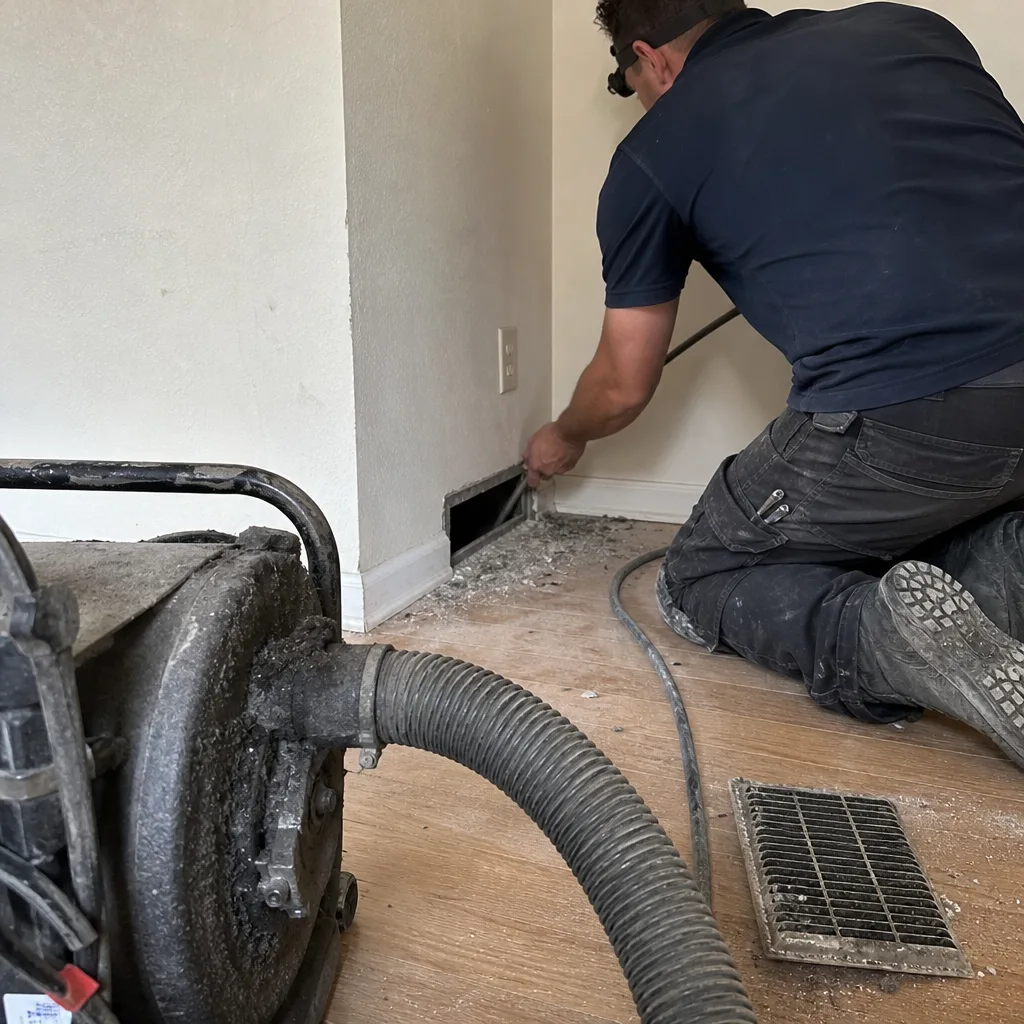 Before
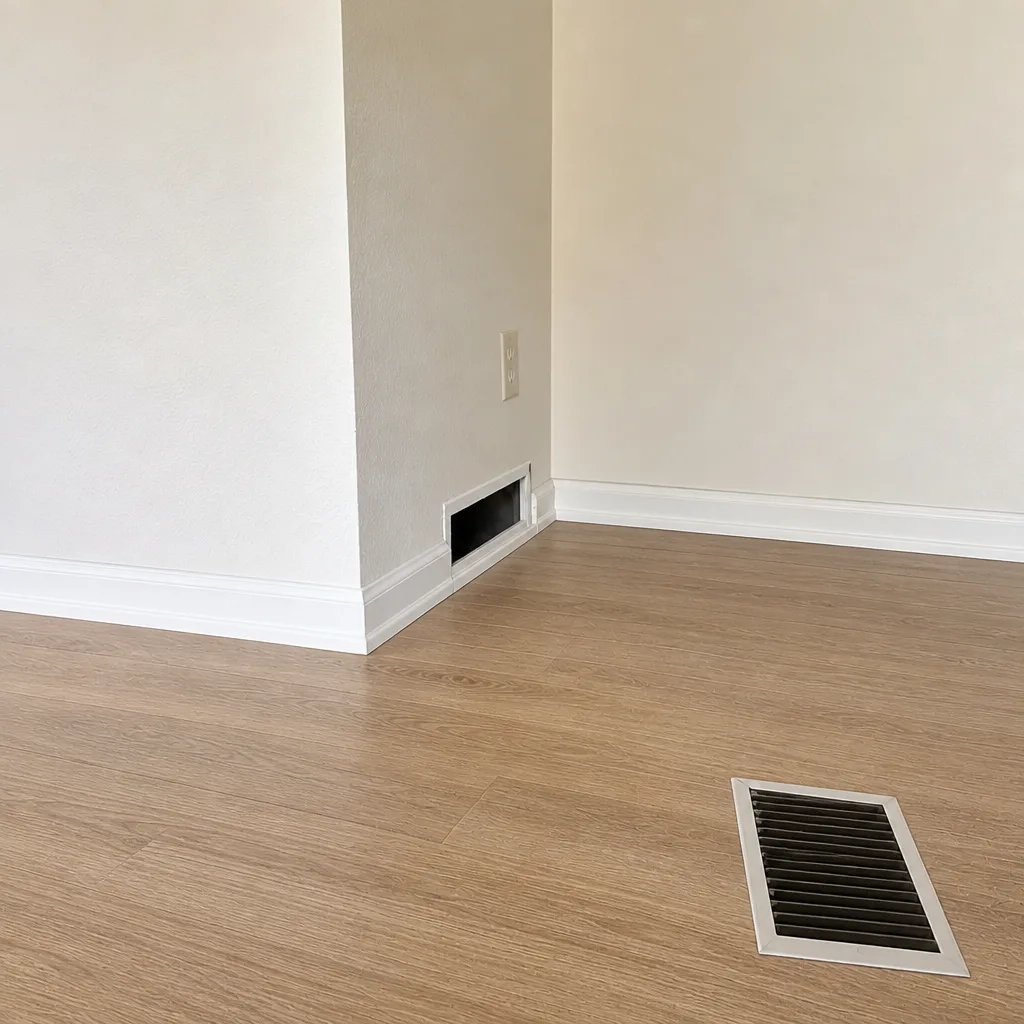 After
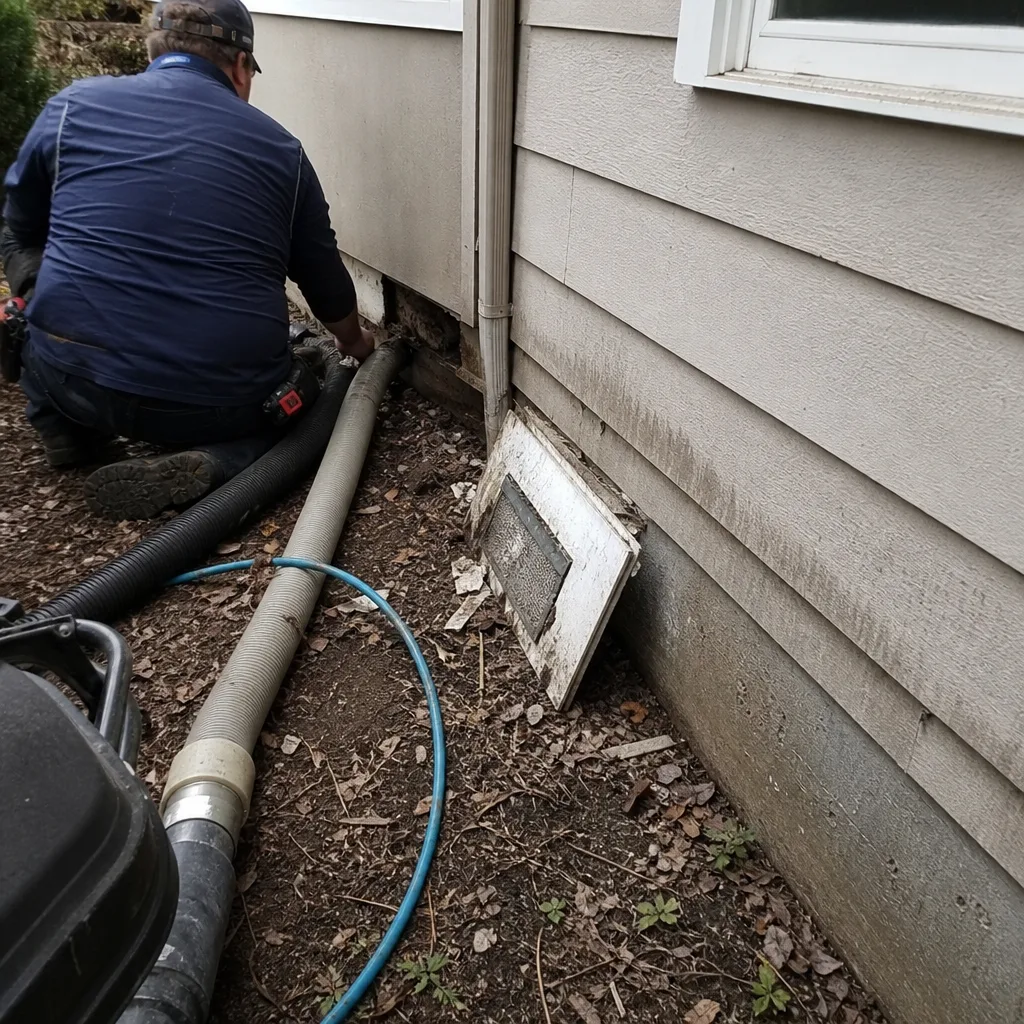 Before
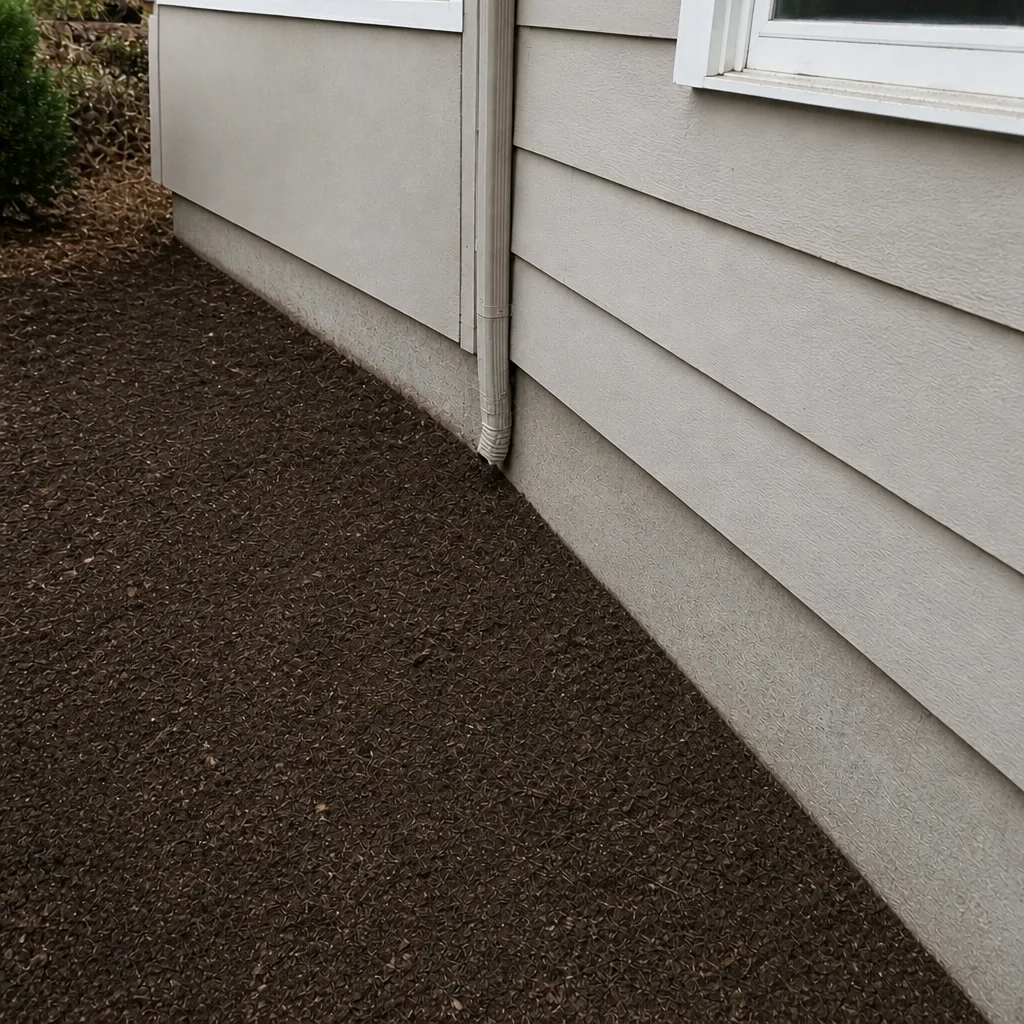 After
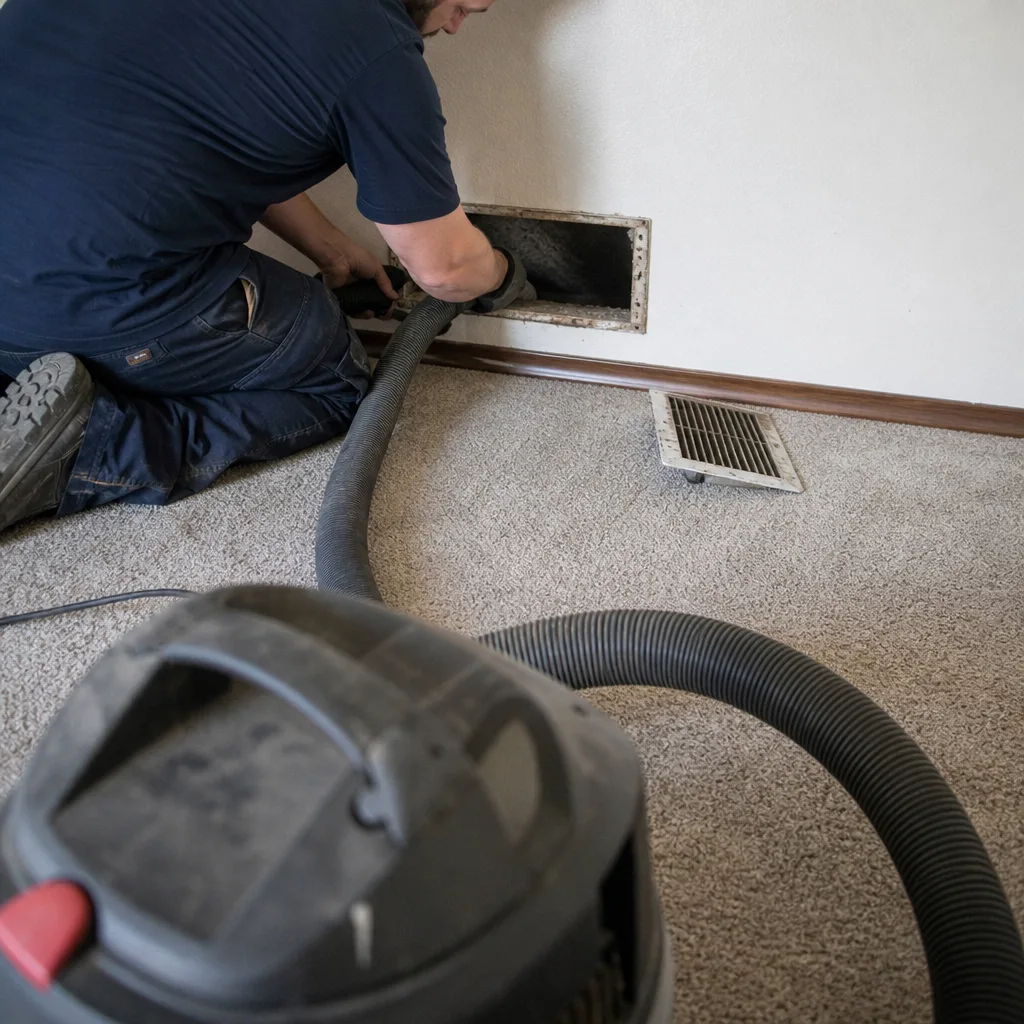 Before
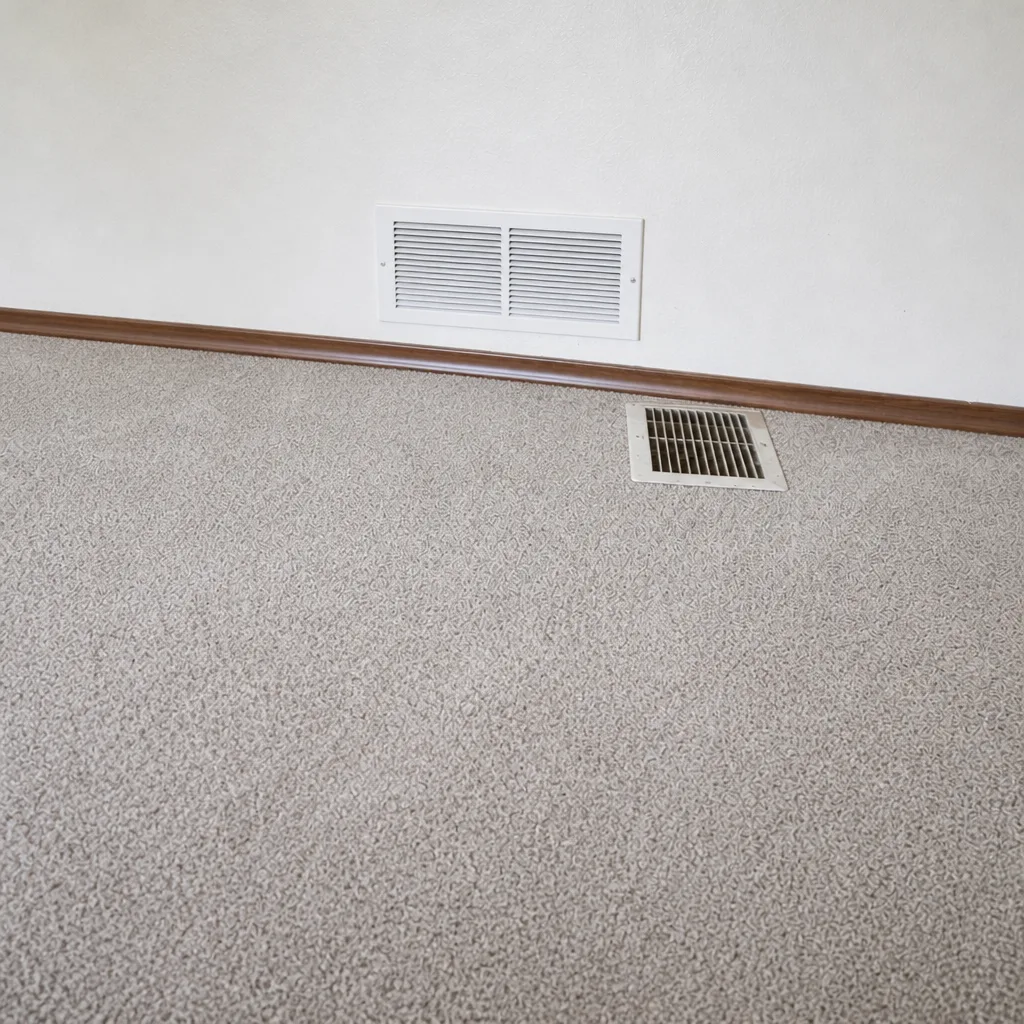 After
When to Call a Professional
Call a professional when you have two or more of the symptoms in the matrix above, when you’re seeing spotty or colored discoloration around registers, when you smell moisture rather than dust, or when you’re about to finish a renovation and want the system reset. Call sooner if you have asthma in the household, a new baby, or a family member with a respiratory condition; the margin for letting a contamination problem ride is smaller in those cases. Also call if you can visually see a disconnected or crushed duct run, because that’s not a DIY fix and the longer it stays disconnected the more attic or crawlspace air gets pulled in.
If you’re unsure whether the fix is cleaning or repair, book an inspection first. Any honest evaluation will tell you which one you need. South Hill Air Duct Cleaning Pros offers free estimates in South Hill – call (833) 772-9858. We answer 24/7. Fast dispatch from 7am to 7pm, Sunday through Friday.
Frequently Asked Questions
Discoloration around the registers, because it develops slowly and looks cosmetic. In a South Hill home, a dark even smudge around a vent cover is usually dust and a sealing issue; spotty or colored discoloration is usually moisture and biological growth. Both are worth photographing and mentioning when you book a free estimate – call (833) 772-9858 to schedule.
Mold odor is heavy, damp, and musty in the way a wet basement smells; it lingers after the system has run for an hour. Ordinary dust odor is dry and earthy, and it fades as airflow resumes. If it’s mold, cleaning without addressing the moisture source won’t hold. Call (833) 772-9858 for a moisture and sanitizing assessment.
Not necessarily. It often means a failed filter bypass or a return plenum leak pulling unfiltered attic or crawlspace air into the system. Both produce the same puff of dust on startup. Cleaning without sealing the leak just buys you a few clean weeks. A short inspection tells you which one you’re dealing with – call (833) 772-9858 for a free estimate.
Usually because the equipment or the scope is thinner. A low quote frequently means a consumer-grade vacuum at the register rather than a professional extraction system like Rotobrush or Nikro pulling from the trunk, and no negative-air containment during the job. Ask any company what equipment they use on site. A flat per-system price agreed in writing before work starts, with before-and-after photos of your own ducts, is the standard worth insisting on – call (833) 772-9858 for an exact quote.
It depends on what’s happening in the home, not a fixed calendar. A settled household with regular filter changes may go several years; a home with pets, recent renovation, or a finished-basement conversion will need it sooner. If the last cleaning was before your remodel or your new pet arrived, it’s probably worth a fresh inspection. Call (833) 772-9858 to talk through the timeline.
No, and that’s an important distinction. Uneven airflow usually means a crushed or disconnected flex run, a closed damper, or an unsealed boot, and those are repair and sealing problems, not contamination problems. Cleaning a physically broken branch doesn’t balance the system. Call (833) 772-9858 for a repair and sealing assessment before booking cleaning.
The Bottom Line
Most duct warning signs are readable if you know what they mean. Dry, earthy dust points to accumulation and a cleaning. Musty odor points to moisture and sanitizing, with the source found. Spotty discoloration around a register points to biological growth. Whistling, cold rooms, and visible joint separation point to repair and sealing, not cleaning. The South Hill triggers that shorten contamination timelines are post-renovation debris, a new pet, and finished-basement conversions, and they’re worth keeping in mind when your home has recently changed. If you’re not sure which category your symptoms fall into, get an inspection before you buy a service.
If you’d like a straight read on your system, we’ll diagnose before we quote. South Hill Air Duct Cleaning Pros offers free estimates in South Hill – call (833) 772-9858. We answer 24/7. Fast dispatch from 7am to 7pm, Sunday through Friday. One flat price per system, agreed in writing before work starts, with before-and-after photos of your own ducts so you can see what changed. Our technicians have up to 14 years of experience, and we work with professional-grade equipment from Rotobrush, Nikro, Abatement Technologies, Honeywell, Aprilaire, and Guardsman because the equipment is the answer to almost every “was this actually done” question we get asked.
Written by the team at South Hill Air Duct Cleaning Pros.