
Last updated November 25, 2026
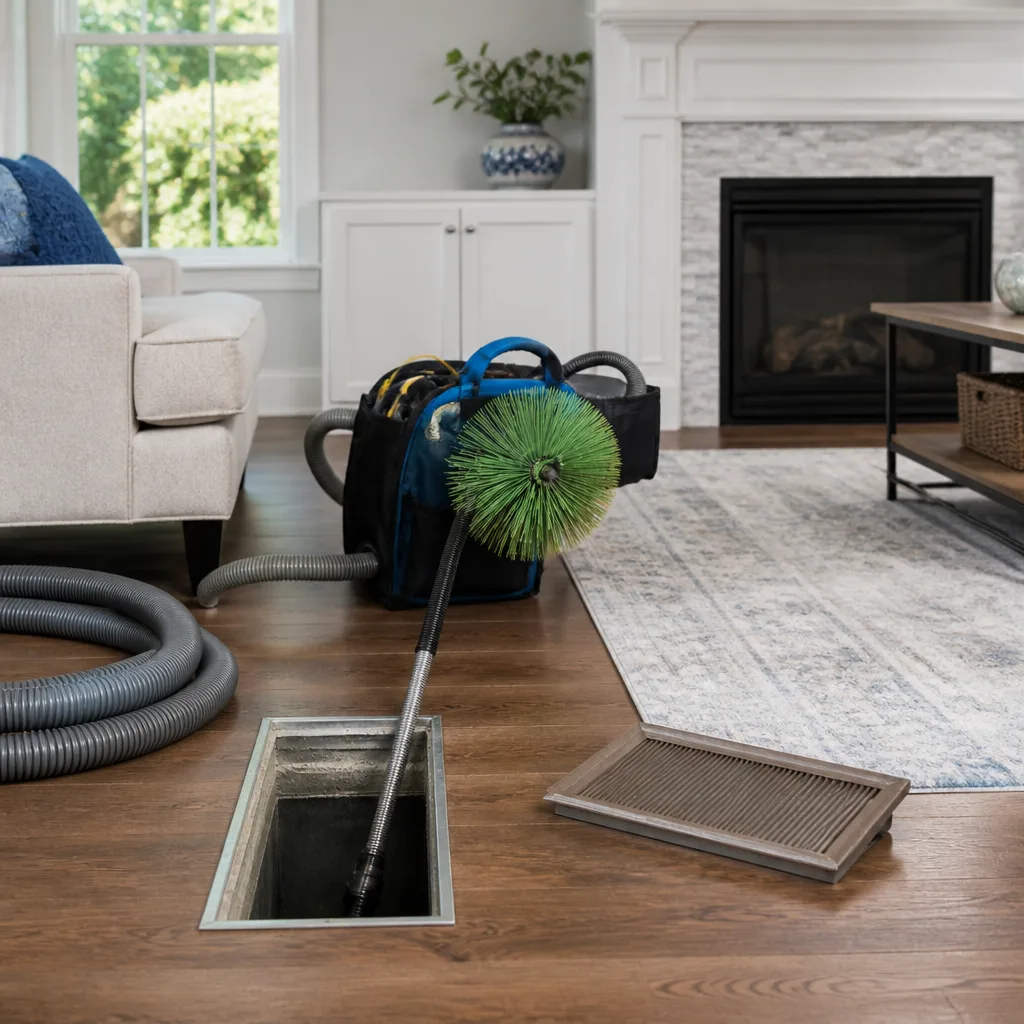 Whole-home duct cleaning
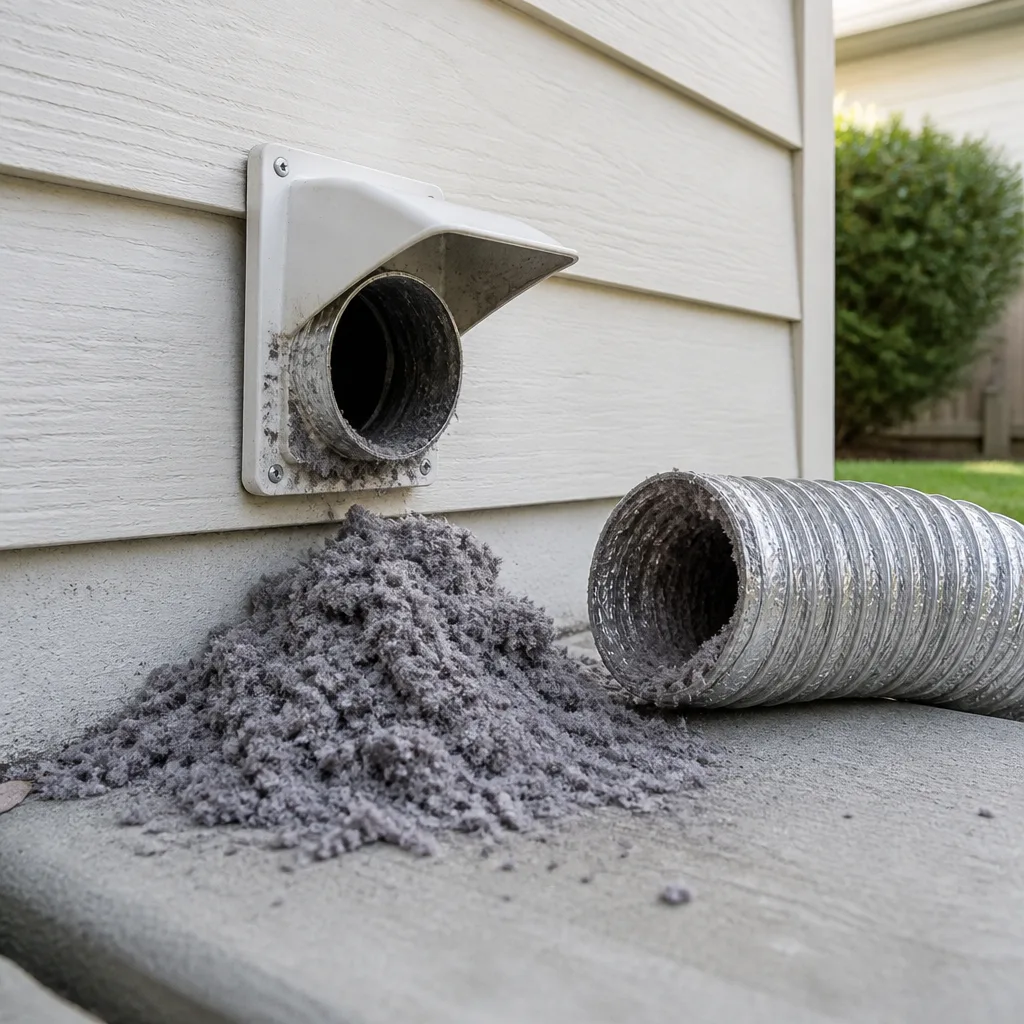 Dryer vent cleaning
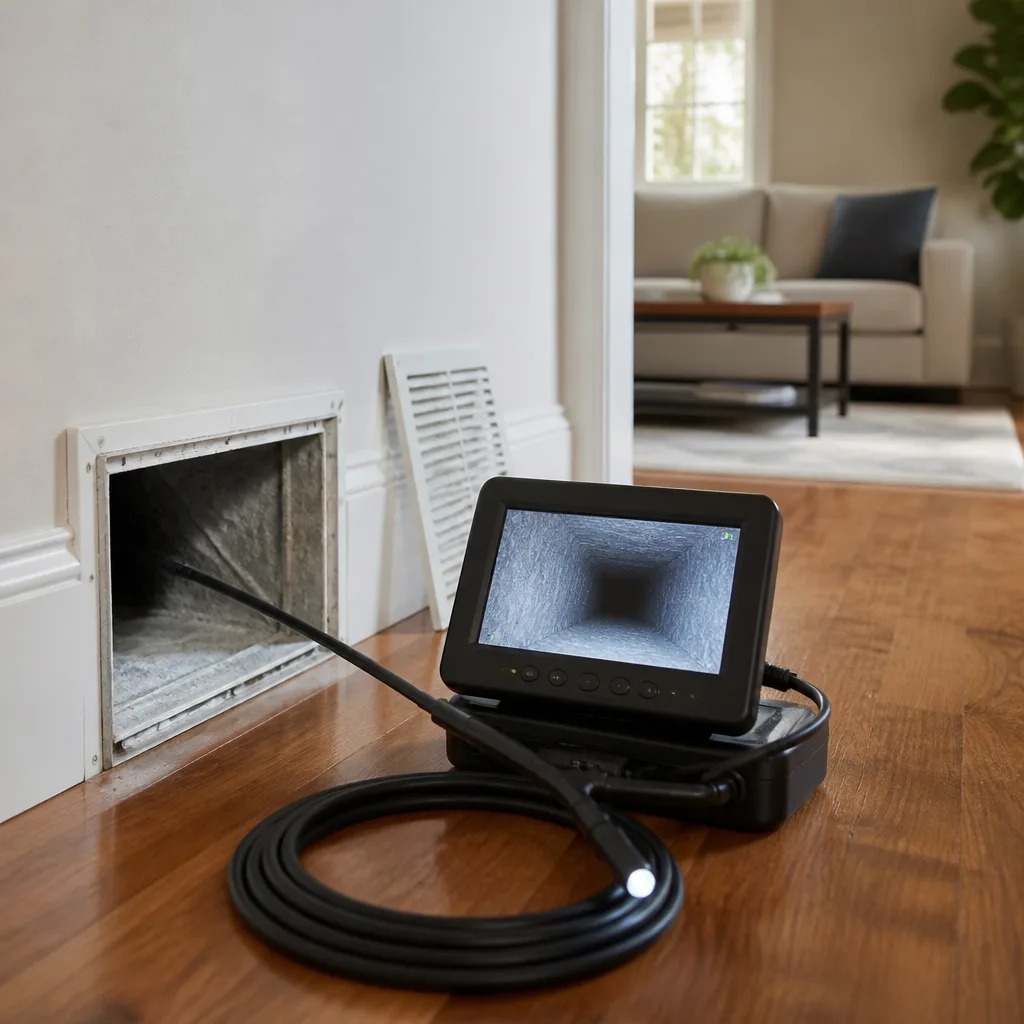 Camera inspection
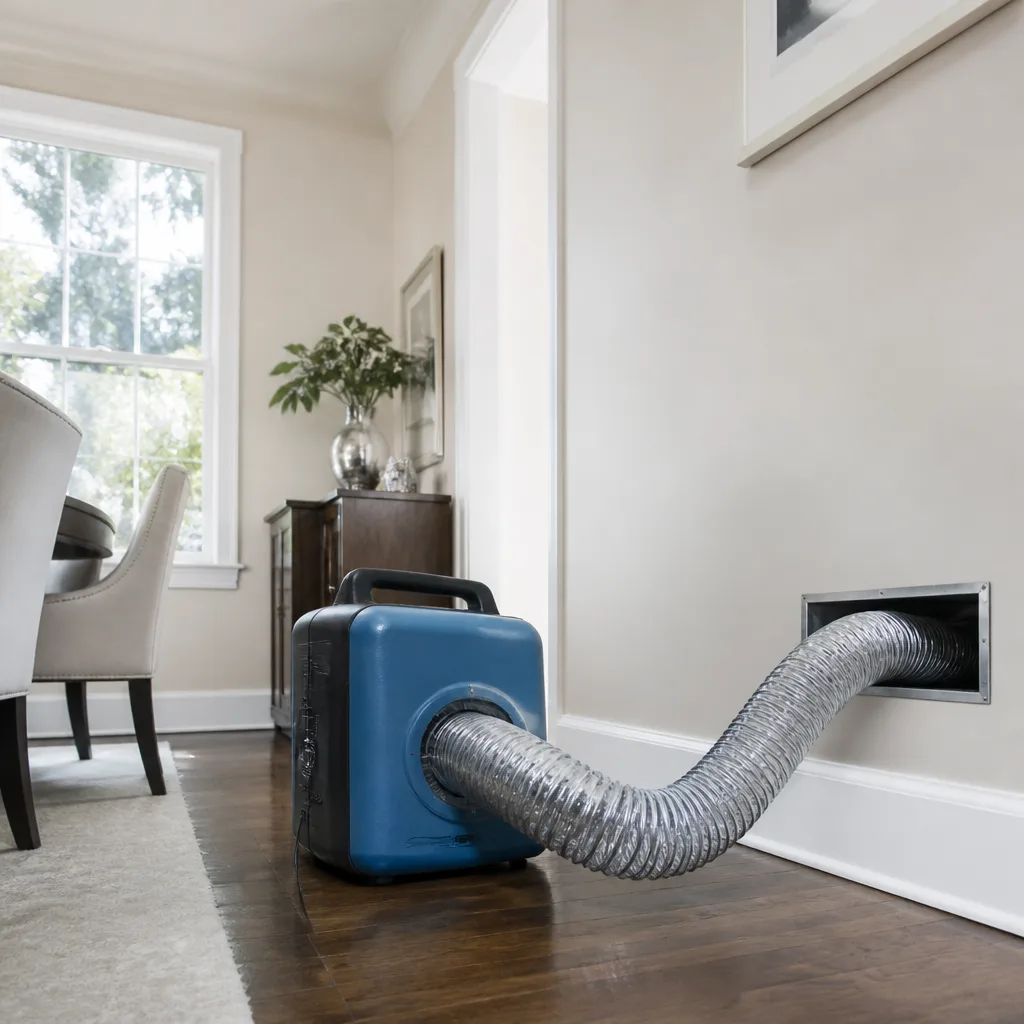 Sanitizing & deodorizing
Whole-system duct and dryer vent check with before-and-after photos - you see exactly what came out of your vents
That "$99 whole-house special" is a bait ad - the real number appears once they are in your hallway, or the "clean" is a shop-vac at the register. We photograph the inside of your ducts before and after instead.
DIY vs Professional Air Duct Cleaning: The South Hill Homeowner’s Decision Guide
A shop vacuum generates roughly 50 to 80 cubic feet per minute of suction. A commercial duct cleaning system like a truck-mounted Nikro unit operates at 2,000 to 4,000 CFM. That gap isn’t a matter of degree; it’s the difference between pulling contamination out of the system and simply disturbing it. Most homeowners comparing DIY duct cleaning to professional service focus on cost and effort. The real decision hinges on physics: what your equipment can actually move, and how far into a 25-foot duct run it can move it. This guide explains exactly where that capability gap sits, what you can handle yourself, and when calling in professional help is the only answer. We’re writing it from South Hill, where the mix of older housing stock and tight, well-sealed modern builds makes the question especially relevant.
Quick Answer
DIY air duct cleaning is worth it only for surface-level tasks: vacuuming registers, changing filters, and checking for visible problems. For anything deeper than a few feet into the ductwork, consumer equipment can’t generate enough negative pressure to extract settled debris, so professional cleaning is the only method that actually removes contamination rather than redistributing it. If your home has visible mold, pest activity, recent renovation dust, or you’re dealing with allergy symptoms that won’t resolve, call a professional. In South Hill, that means a specialist with commercial-grade extraction equipment, not a generalist with a shop vacuum.
Styles & brands we work with
- Whole-home duct cleaning
- Dryer vent cleaning
- Camera inspection
- Sanitizing & deodorizing
Table of Contents
- The Physics Problem: Why Suction Drops Fast in a Duct Run
- What DIY Duct Cleaning Can Legitimately Accomplish
- What DIY Can’t Reach (And Why It Matters)
- When Professional Cleaning Isn’t Optional
- The Real Cost Comparison: DIY vs Professional in South Hill
- How to Spot a Contractor Doing Glorified DIY Work
- What a Proper Professional Cleaning Actually Involves
- How Often You Actually Need This Done
The Physics Problem: Why Suction Drops Fast in a Duct Run
Suction isn’t a constant force. It drops off with distance from the vacuum source, and it drops off fast. Every foot of duct adds friction loss, every bend and elbow adds more, and every joint that isn’t perfectly sealed leaks pressure you can’t get back. This is the central fact that makes DIY duct cleaning a losing battle in most homes, and it’s the one nobody explains at the hardware store.
Think about what happens in a typical South Hill house with a 25-foot trunk line running to a second-floor register. A shop vacuum connected at the register pulls maybe 50 to 80 CFM at the nozzle. By the time that pressure reaches 15 or 20 feet into the run, it’s a fraction of what it started as. The dust and debris sitting on the duct floor halfway down the line doesn’t move at all. You feel suction at the register, so you assume the system is being cleaned. It isn’t. You’re moving the dust that’s already loose near the opening and leaving everything else exactly where it settled.
Professional systems work differently, and the difference is scale. A truck-mounted Nikro unit running at 2,000 to 4,000 CFM, combined with a rotary brush that physically agitates debris from the duct walls, generates enough negative pressure to pull material from the far end of the run back to the collection point. The key is that the pressure is applied across the whole system at once, often with the air handler blocked and a vacuum connected at the main trunk, not at a single register. That’s why professional equipment doesn’t just have more suction; it uses that suction in a fundamentally different way.
- Distance: Suction capacity drops exponentially with every foot of duct, meaning a 25-foot run gets a small fraction of the vacuum’s rated pull at the far end.
- Friction and bends: Every 90-degree elbow and flex-duct transition adds resistance that reduces airflow further.
- Leaky joints: Gaps in duct connections bleed pressure before it ever reaches the debris you’re trying to remove.
- No agitation: Even strong suction won’t pull caked-on dust without something breaking it loose first. Professional rotary brushes do that; a shop vacuum nozzle doesn’t.
This is what we mean when we say the DIY versus professional question is about physics, not effort. A homeowner can spend an entire day on their ducts and work hard the whole time, and still leave the majority of contamination untouched simply because the equipment can’t reach it.
What DIY Duct Cleaning Can Legitimately Accomplish
We’re not going to tell you that nothing you do yourself matters. Some maintenance tasks are genuinely worth your time, and doing them well makes a real difference between professional cleanings. Here’s what you can handle yourself, and how to do it in a way that actually helps.
- Clean the supply and return registers. Remove the grilles and wash them in warm soapy water. Wipe the immediate duct opening with a damp cloth. This removes the visible dust layer that builds up at the surface and keeps it from getting pulled back into the airstream.
- Change your air filter on schedule. This is the single highest-impact thing you can do for indoor air quality. In South Hill, where spring pollen is heavy and many homes run the furnace through cool, damp months, a clogged filter strains the blower and lets more particles recirculate. Check it monthly during heavy-use seasons and replace it when it’s visibly loaded.
- Do a visual inspection with a flashlight. Look into the registers and, if you can safely reach them, the return openings. You’re looking for visible dust buildup, moisture, pest droppings, or anything that smells musty. A flashlight and a phone camera can get you a surprising amount of information without touching anything.
- Keep the area around returns clear. Furniture, curtains, and rugs blocking return grilles reduce airflow and make the system work harder. This costs nothing and helps the whole system breathe.
- Vacuum around the intake and registers with a HEPA vacuum. This keeps surface dust from being drawn into the system in the first place. It’s not duct cleaning, but it reduces the load on the ductwork over time.
Notice what’s not on this list: inserting a vacuum hose into the duct and calling it cleaning. That’s the most common DIY mistake we hear about, and as the physics section explains, it mostly moves surface dust around without addressing what’s settled deeper in. If you want to do your own routine maintenance for your air duct cleaning schedule, the register-and-filter work above is a solid foundation. Just don’t mistake it for a full system clean.
What DIY Can’t Reach (And Why It Matters)
The contamination that matters most in a duct system isn’t the dust you can see at the register. It’s the material that has settled on the duct floor, adhered to the walls, and in some cases grown there. Consumer equipment can’t reach any of it, and that gap is where the health and performance problems live.
In our experience working on South Hill homes, the debris we pull from a typical duct run falls into a few categories:
- Settled particulate: Years of dust, skin cells, pet dander, and pollen that has accumulated on horizontal duct surfaces. It doesn’t stay put; every time the system kicks on, some of it gets lifted back into the air your family breathes.
- Construction debris: Drywall dust, sawdust, and insulation fibers from renovations. This is one of the most common reasons people call us, and it’s a case where DIY is not just ineffective but potentially counterproductive, since disturbing fine particulate without proper containment spreads it through the house.
- Biological growth: In ducts with any moisture intrusion, mold and mildew can colonize the duct lining. This requires more than vacuuming; it needs containment and, depending on the situation, sanitizing with products from lines like Honeywell.
- Pest evidence: Droppings, nesting material, and carcasses from rodents or insects. This is a health concern and a contamination source that no shop vacuum can safely handle.
Each of these requires equipment that can generate real negative pressure and hold it across the whole system, plus containment so the dislodged material doesn’t just blow back into the living space. That’s why professional systems use negative-air equipment like Abatement Technologies units on site: the contaminants get captured, not recirculated. A homeowner with a shop vacuum has no way to replicate that containment, which means even the debris they do manage to loosen may end up in the air rather than in a collection bag.
When Professional Cleaning Isn’t Optional
There are situations where DIY isn’t just less effective; it’s the wrong call entirely. If any of the following apply to your South Hill home, schedule a professional cleaning rather than trying to handle it yourself.
- After a renovation or major remodel. Drywall dust and construction debris settle deep in the ductwork and are extremely difficult to remove without professional extraction. Cleaning before you move back in, or immediately after the work is done, prevents that debris from circulating for years.
- Confirmed or suspected mold in the system. Visible mold on duct surfaces, musty odors that don’t go away, or a history of moisture problems all point to biological growth that needs professional containment and treatment. Disturbing mold without proper containment can make the problem worse.
- Vermin intrusion. If you’ve had rodents, birds, or insects in the ductwork, professional cleaning is necessary to remove droppings and nesting material safely. This is a contamination issue that poses real health risks and should not be handled with consumer equipment.
- A new-to-you home purchase. You have no idea what the previous owners did or didn’t maintain. A professional cleaning and inspection gives you a baseline and surfaces any duct damage, leaks, or contamination before you settle in.
- Persistent allergy or asthma symptoms indoors. If symptoms improve when you leave the house and worsen when you’re home, the duct system is a reasonable suspect. Professional cleaning combined with filtration improvements often makes a noticeable difference.
- Unexplained airflow problems or high energy bills. Blocked or damaged ducts reduce system efficiency. Professional cleaning can identify whether debris, disconnected sections, or leaks are the cause, and our duct repair and sealing service can address what’s found in the same visit.
These aren’t edge cases. In South Hill, where a lot of housing was built in different eras with different duct materials and sealing standards, we see several of these conditions regularly. The common thread is that each one involves contamination or damage that DIY methods can’t safely or effectively resolve.
The Real Cost Comparison: DIY vs Professional in South Hill
Here’s where we want to be honest, because the cost conversation usually gets distorted in both directions. DIY looks cheaper on paper. But the comparison only holds if the DIY work actually accomplishes the same thing as professional cleaning, and in most cases it doesn’t.
What does DIY actually cost? A decent shop vacuum runs $80 to $150. Add a duct cleaning attachment kit, which is usually $30 to $60. That’s roughly $110 to $210 in equipment, plus a full day of your time. What you get for that is register cleaning and surface dust removal. You don’t get extraction from the full duct run, you don’t get containment, and you don’t get any inspection of the duct interior beyond what you can see with a flashlight.
What does professional cleaning cost in the South Hill market? Typical estimates for a standard residential system run in the range most homeowners expect for a whole-system service, and the exact number depends on square footage, number of runs, accessibility, and whether repair or sanitizing is needed. The written estimate sets the final price, and it’s a flat price per system, not a per-vent charge that balloons once the technician is on site.
- DIY equipment cost: roughly $110 to $210 for vacuum and attachments.
- DIY time cost: a full day of your own labor, with results limited to surface-level cleaning.
- Professional whole-system cleaning: priced per system by written estimate, covering full-run extraction, containment, and inspection.
- What DIY leaves behind: settled debris, adhered dust on duct walls, and any contamination beyond the first few feet of each run.
The honest math is this: DIY saves money up front but doesn’t deliver the same result, so you either accept a partial clean or you pay for professional service later anyway. If your ducts haven’t been cleaned in years, or you’re dealing with any of the conditions in the previous section, the professional route is the more cost-effective choice because it actually solves the problem. If your ducts are in good shape and you just want to maintain them between professional cleanings, the DIY register-and-filter routine is a reasonable way to spend an afternoon.
How to Spot a Contractor Doing Glorified DIY Work
Not every company that advertises duct cleaning brings professional-grade equipment. Some show up with portable units that are barely a step up from what you’d buy at a hardware store, and the results reflect that. Here’s how to tell the difference before you book.
- Ask what equipment they use. A specialist will name their systems without hesitation. Rotobrush and Nikro are the industry-recognized names in professional duct cleaning, and a company that uses them will tell you so. If the answer is vague, that’s a signal.
- Ask about containment. Professional cleaning uses negative-air equipment to capture dislodged contaminants. If the company can’t explain how they keep debris from recirculating into your home, they’re probably not set up to do it.
- Watch for per-vent pricing. A low teaser price per vent often leads to a much larger invoice once work begins. A flat price per system, agreed before work starts, is the fairer structure and the one we use.
- Ask whether they inspect and report. A proper cleaning includes a look at the duct interior and a conversation about what was found. If they clean and leave without telling you anything about the condition of your system, you’ve learned nothing.
- Check whether they handle repair. Ducts often have leaks, disconnected sections, or damage that cleaning alone won’t fix. A company that only cleans and can’t seal or repair is leaving problems behind.
The equipment gap matters because a portable unit with a few thousand CFM of rated capacity (and often much less in practice) simply can’t do what a truck-mounted system does. When you’re comparing quotes, ask what the price actually buys. A lower quote from a company using consumer-grade equipment isn’t a better deal; it’s a different, lesser service. That’s why we’re upfront about our method: we use professional extraction systems, negative-air containment, and before-and-after photos so you can see what changed. If you want to know what professional-grade work looks like in South Hill, our South Hill Air Duct Cleaning Pros page lays out our full approach.
What a Proper Professional Cleaning Actually Involves
Understanding the process helps you evaluate whether a quote is fair and whether the work was done properly. Here’s what a professional cleaning should look like from start to finish.
- Inspection and assessment. Before any cleaning, the technician inspects the system: registers, main trunk lines, the air handler area, and any accessible duct runs. This is when problems like leaks, disconnected sections, or damage get identified.
- Setup and containment. The system is prepared for cleaning, which usually means blocking certain openings and setting up negative-air equipment to capture debris. This step is what separates a contained clean from a dusty mess.
- Agitation and extraction. Rotary brushes and high-powered vacuum systems work together to loosen debris from duct walls and pull it back to a collection point. The combination of agitation and negative pressure is what actually removes contamination rather than just moving it.
- Cleaning of components. Registers, grilles, the blower compartment, and the air handler area all get attention. This is part of our HVAC cleaning service, and it matters because a clean duct system connected to a dirty air handler isn’t really clean.
- Sanitizing, if needed. Where biological growth or odors are present, sanitizing with products from lines like Honeywell or Aprilaire helps address what cleaning alone can’t. This is a judgment call based on what the inspection found, not an automatic add-on.
- Repair and sealing, if needed. Duct leaks and disconnected sections reduce efficiency and let contamination back in. Fixing them in the same visit means you don’t have to schedule a second contractor.
- Final verification. Before-and-after photos of your own ducts give you proof of what was done. Ask for them if they’re not offered.
That’s a lot of steps, and each one requires equipment and training to do properly. It’s also why the DIY comparison isn’t quite apples to apples: the professional process addresses the whole system, while DIY addresses the surface. If you also want your dryer vent addressed, that’s a separate but related service; dryer vent cleaning is one of the most overlooked fire-safety tasks in a home, and it’s worth handling at the same time.
How Often You Actually Need This Done
There’s no universal schedule, despite what some marketing might suggest. Most homes don’t need annual duct cleaning, and some need it more often than they think. The honest answer depends on your specific conditions.
- Every few years for most homes: If you change filters regularly, have no pets, no allergies, and no recent renovations, a professional cleaning every few years is reasonable.
- More often with pets or allergies: Homes with shedding pets or family members with respiratory conditions benefit from more frequent cleaning, since dander and particulate load up faster.
- After renovations or moves: A cleaning after major construction or when moving into a new home is worth doing regardless of the calendar.
- When you notice symptoms or signs: Musty odors, visible dust at registers shortly after cleaning, or unexplained airflow problems are all reasons to schedule an inspection regardless of when you last had the system cleaned.
We answer 24/7 if you’re not sure whether it’s time. Fast dispatch from 7am to 7pm, Sunday through Friday, and if you call outside those hours we’ll book you into the next opening.
Common Mistakes to Avoid
- Assuming the shop vacuum is doing more than it is. Feeling suction at the register doesn’t mean you’re reaching the debris 15 feet into the run. Judge by what comes out, not by what you feel.
- Skipping containment during any DIY attempt. Disturbing dust without a way to capture it can push more particulate into your living space than you started with. This is especially true in older South Hill homes where settled dust may include years of accumulation.
- Choosing a contractor on price alone. A low quote from a company using consumer-grade portable equipment isn’t a bargain; it’s a lesser service. Ask about equipment and method before you compare numbers.
- Ignoring the air handler. Cleaning ducts without addressing the blower and air handler leaves a major contamination source in place. Make sure it’s included in scope.
- Putting off a cleaning after a renovation. Construction dust settles into the system and circulates every time the heat or AC runs. Cleaning soon after the work is done prevents a much bigger problem later.
- Forgetting the dryer vent. It’s a separate system with a separate fire risk, and many homeowners never think about it. It deserves the same attention as your HVAC ducts.
- Not asking for proof of work. Before-and-after photos of your own ducts are a reasonable request. A company that does thorough work won’t hesitate to provide them.
See the difference
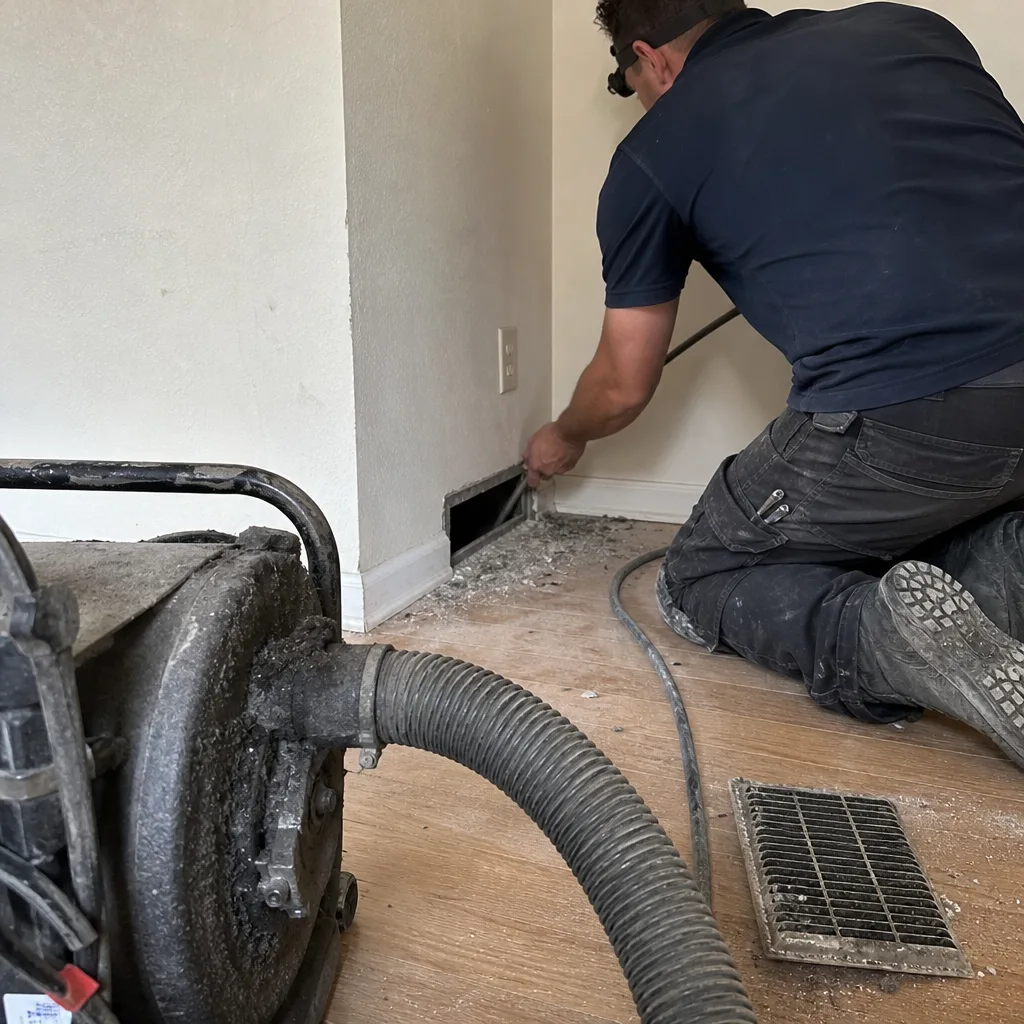 Before
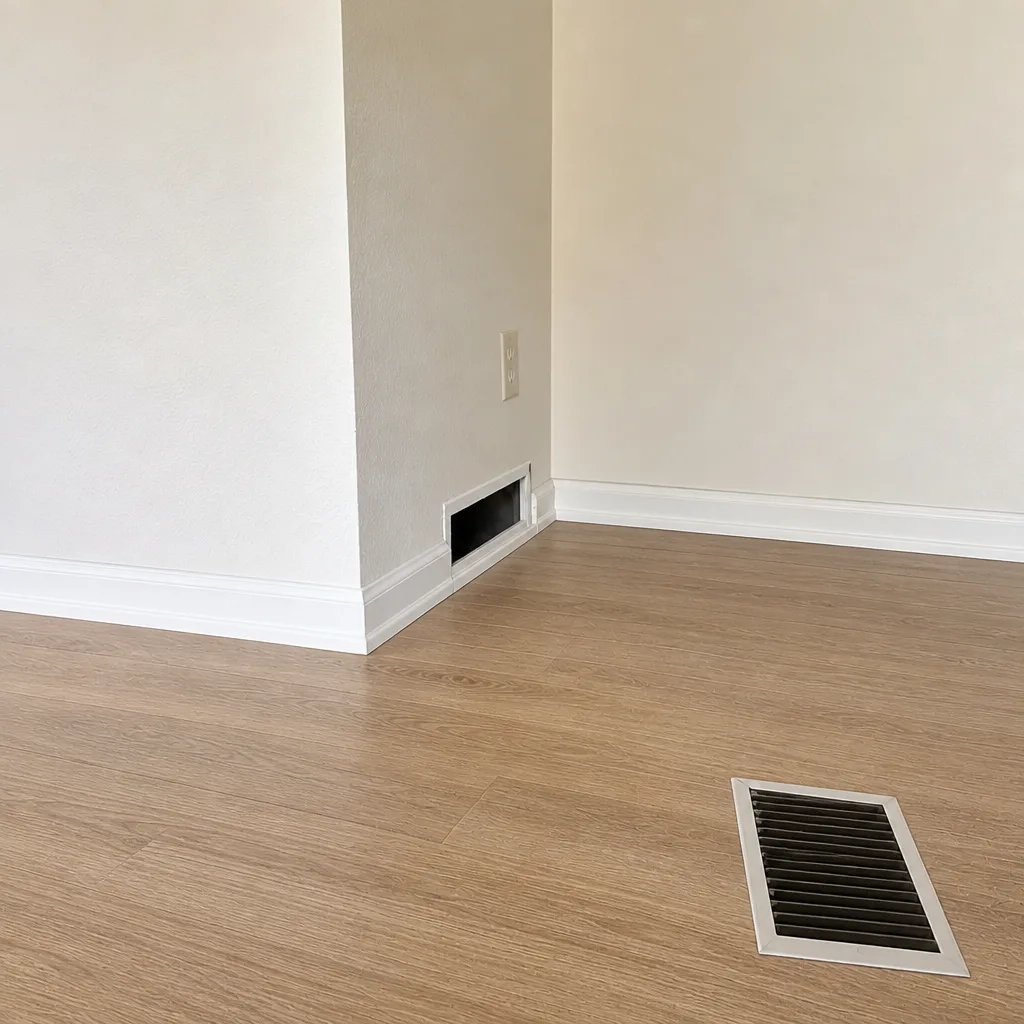 After
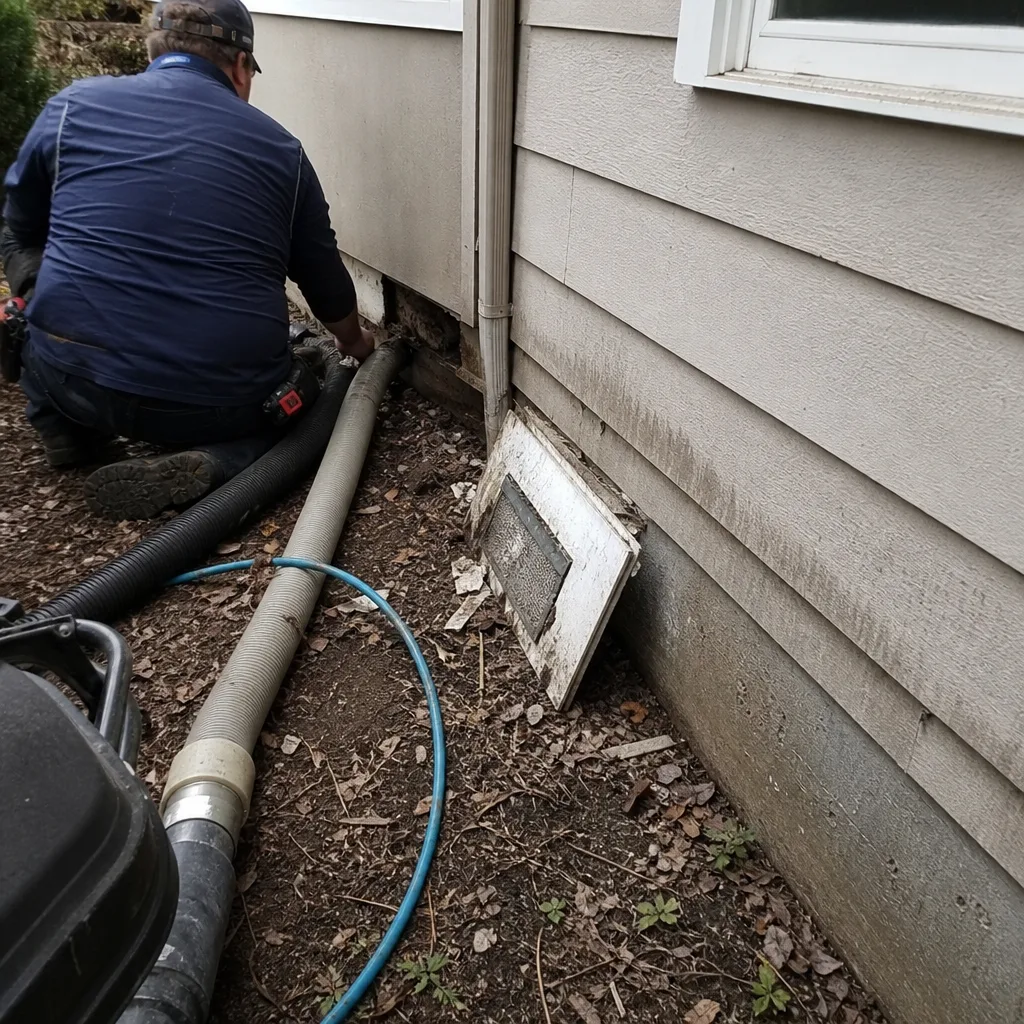 Before
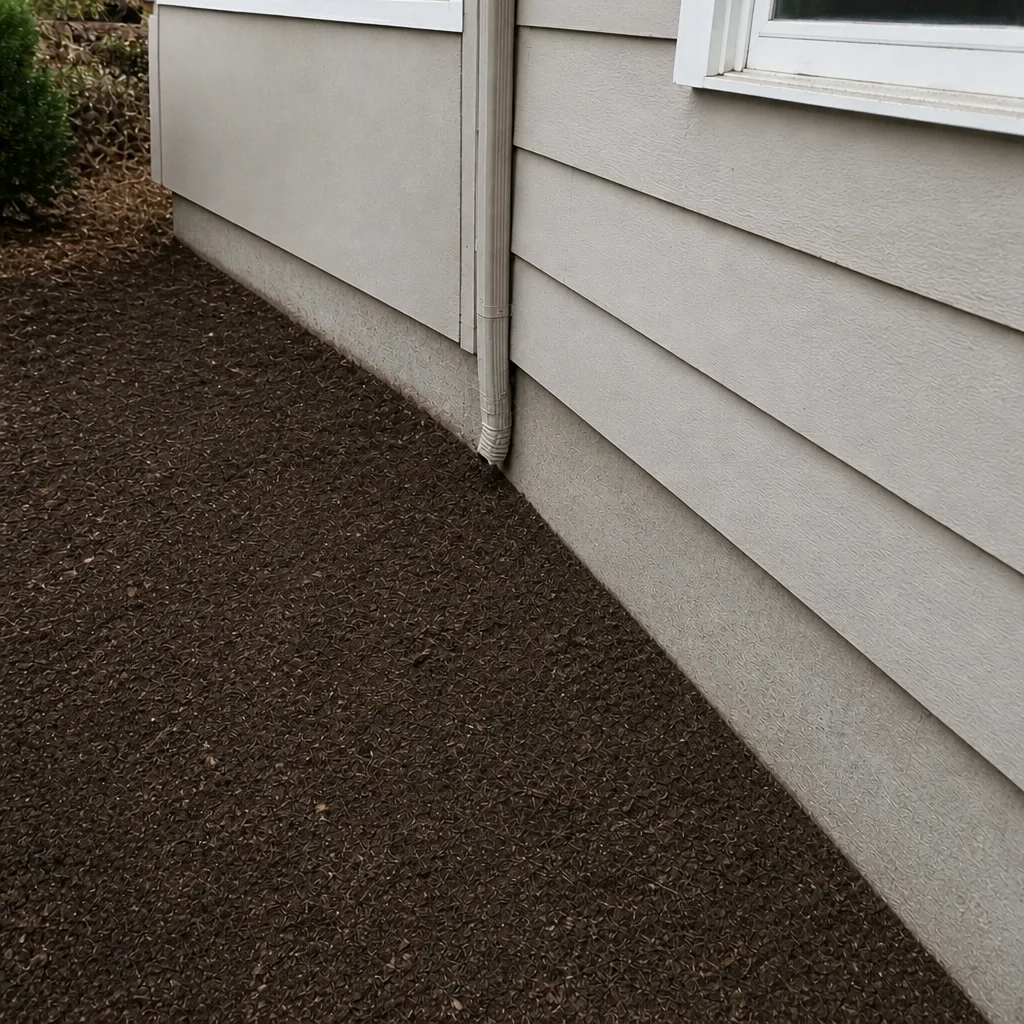 After
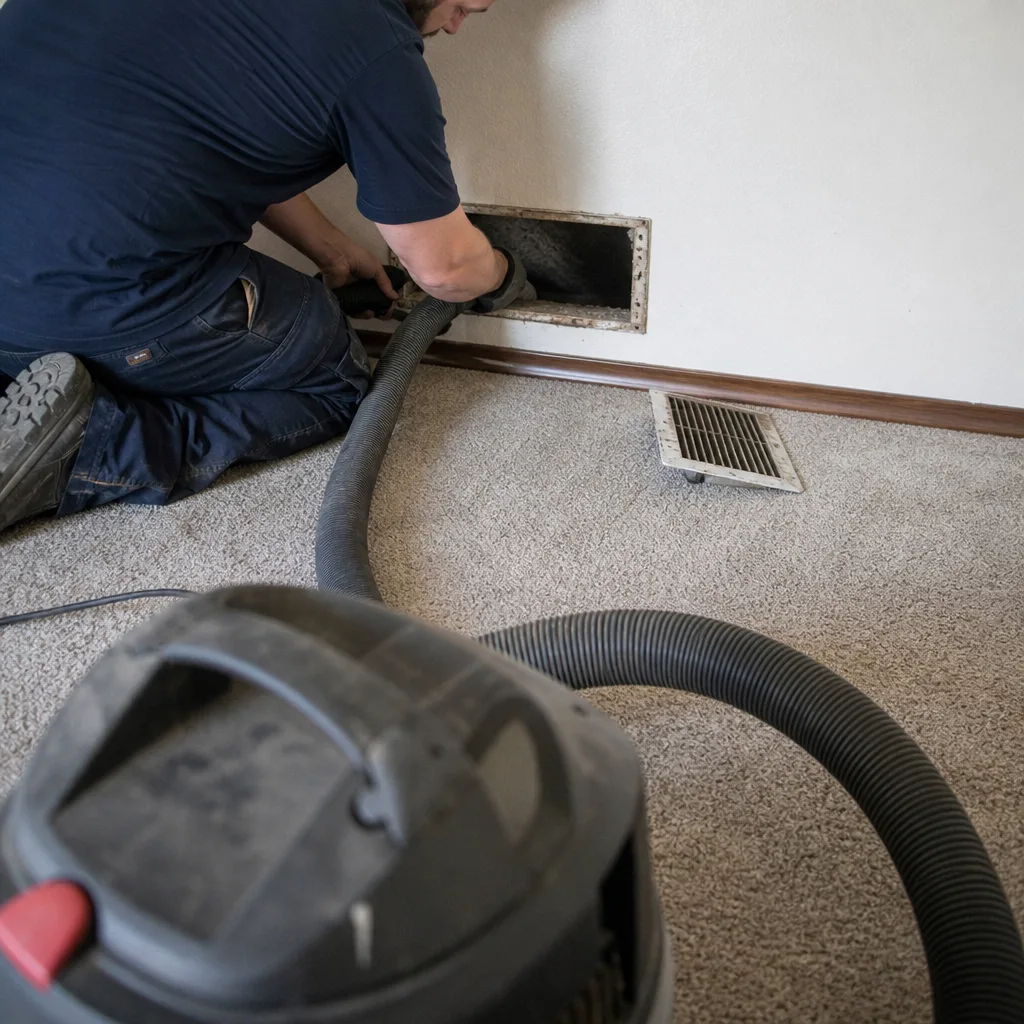 Before
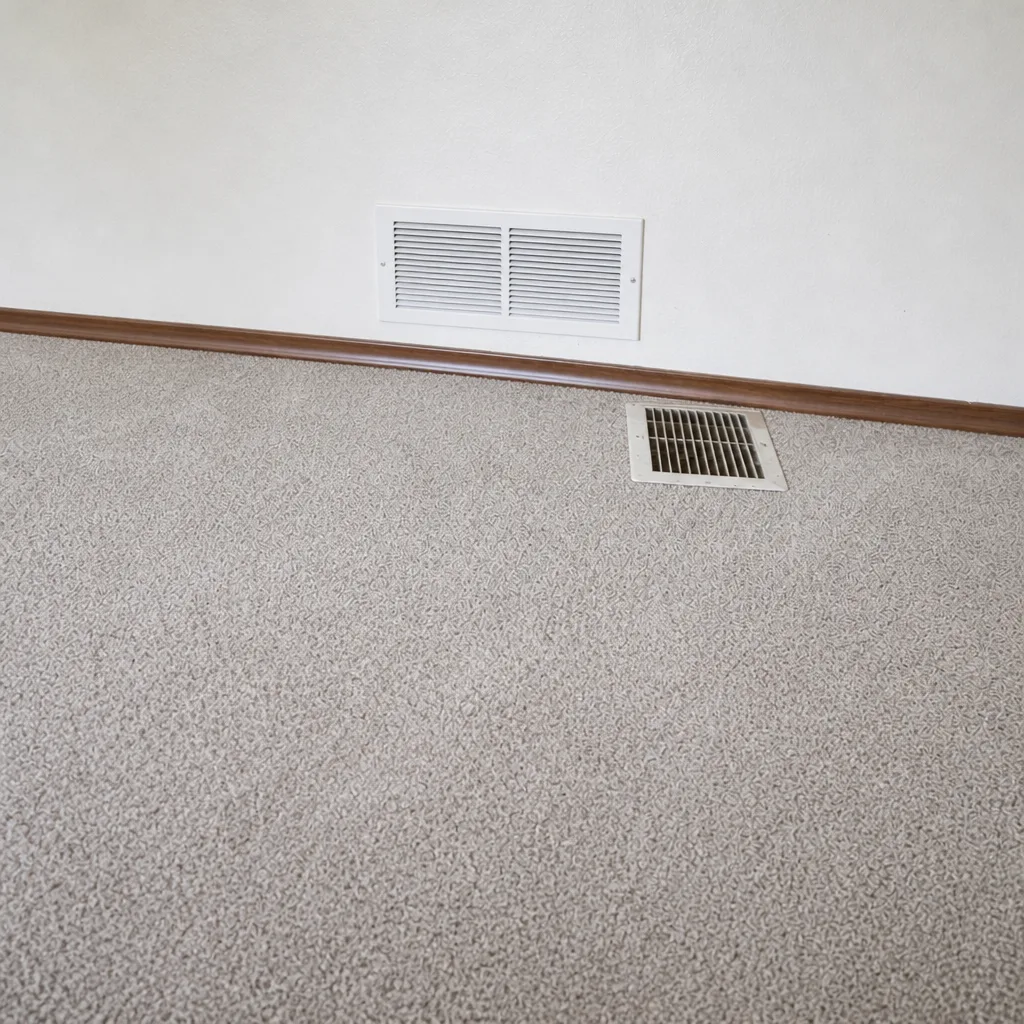 After
When to Call a Professional
Call a professional if you’re seeing visible mold or musty odors, if you’ve had pest activity in the system, if you’ve recently finished a renovation, or if you’re moving into a new South Hill home and don’t know the maintenance history. Also call if allergy symptoms persist indoors or if airflow problems suggest a blockage or leak. South Hill Air Duct Cleaning Pros offers free estimates in South Hill. Call (833) 772-9858. We answer 24/7. Fast dispatch from 7am to 7pm, Sunday through Friday. Closed Saturday. The written estimate sets the price, and you’ll know exactly what the work involves before anything starts.
Frequently Asked Questions
Professional whole-system cleaning is priced per system by written estimate, and the exact figure depends on your home’s square footage, the number of runs, accessibility, and whether repair or sanitizing is needed. What matters more than the number is the structure: one flat price per system, agreed before work begins, with no per-vent surprises. Call (833) 772-9858 for an exact quote. Estimates are free.
Cheaper quotes usually reflect cheaper equipment: portable units with far less suction than truck-mounted systems, or a per-vent price that climbs once the technician is on site. A low number from a company that can’t generate real negative pressure isn’t a better deal; it’s a surface clean at a surface price. Ask what equipment and containment a company uses before comparing quotes. Call (833) 772-9858 to talk through what a proper clean involves.
Ask for before-and-after photos of your own ducts, not stock images. A company that does thorough work will document what it found and what it removed. You should also get a clear explanation of any damage or leaks discovered during the inspection. Call (833) 772-9858 if you want to know what documentation our process includes.
Most homes need professional cleaning every few years, not annually, unless you have pets, allergies, recent renovations, or a history of moisture or pest issues. Between cleanings, changing filters and cleaning registers yourself makes a real difference. If you’re unsure where your home falls, call (833) 772-9858 and we’ll help you figure out a reasonable schedule.
You can clean registers and the first few feet of duct, but a shop vacuum can’t generate enough negative pressure to extract debris from a full 25-foot run. It’s not a matter of effort; it’s a limit of the equipment. Deep contamination, mold, and renovation debris require professional extraction and containment. Call (833) 772-9858 if you’re not sure whether your ducts need more than surface cleaning.
Same-day service is often available, and we can usually book you into the next opening. We answer 24/7, and we dispatch technicians from 7am to 7pm, Sunday through Friday. We’re closed Saturday; a call on Saturday gets booked for Sunday. Call (833) 772-9858 to check availability.
The Bottom Line
The DIY versus professional question comes down to what your equipment can actually do, not how hard you’re willing to work. A shop vacuum generates a fraction of the negative pressure a commercial system does, and suction drops fast over distance, which means DIY cleaning addresses surface dust while leaving the settled contamination that matters most. DIY is worth it for register cleaning, filter changes, and visual inspection. It’s not a substitute for professional cleaning when you’re dealing with mold, pests, renovation debris, a new home, or persistent symptoms. In South Hill, the right call depends on your specific system and conditions, and a free estimate is the fastest way to know which side of that line you’re on. The local pro we connect you with is licensed and insured as their state requires, and our technicians have up to 14 years of experience.
South Hill Air Duct Cleaning Pros
Call (833) 772-9858 for a free estimate. We answer 24/7. Fast dispatch from 7am to 7pm, Sunday through Friday. Closed Saturday.
Written by the team at South Hill Air Duct Cleaning Pros.