
Last updated November 25, 2026
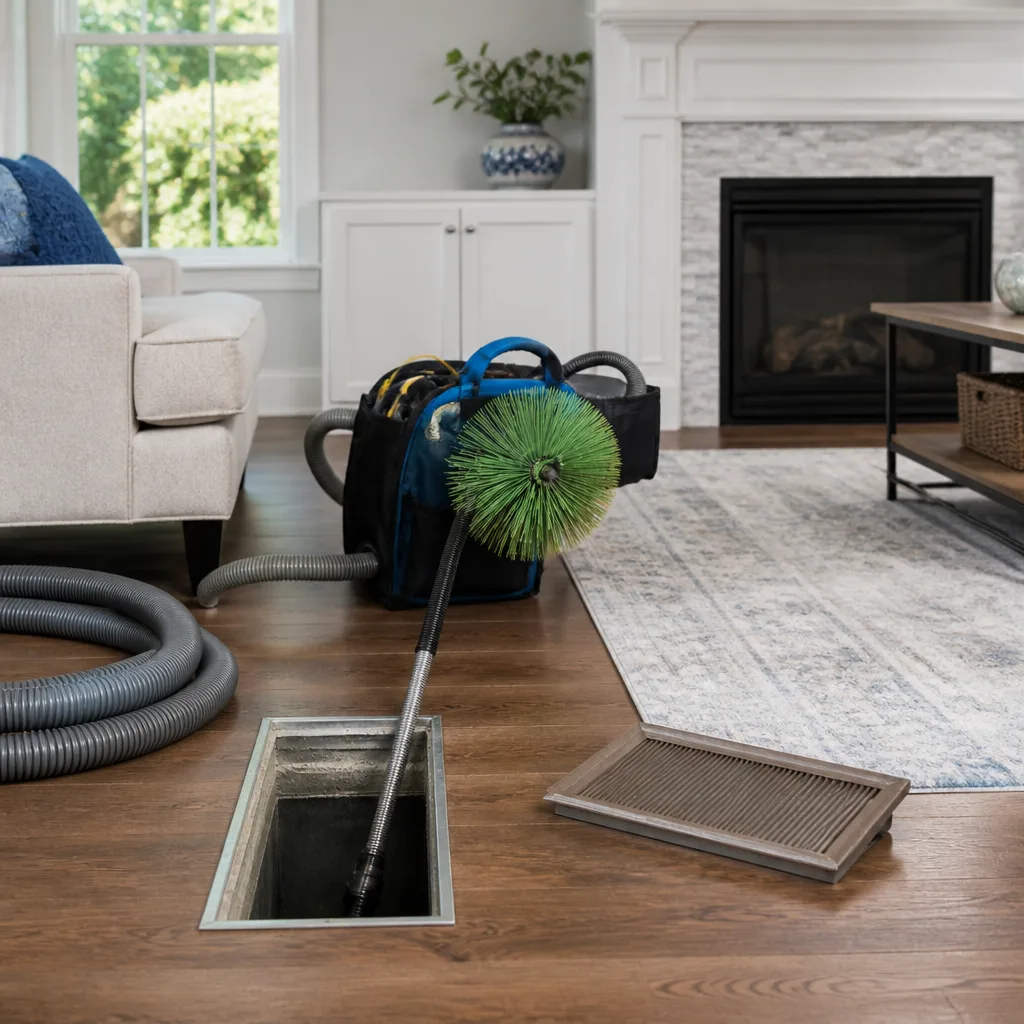 Whole-home duct cleaning
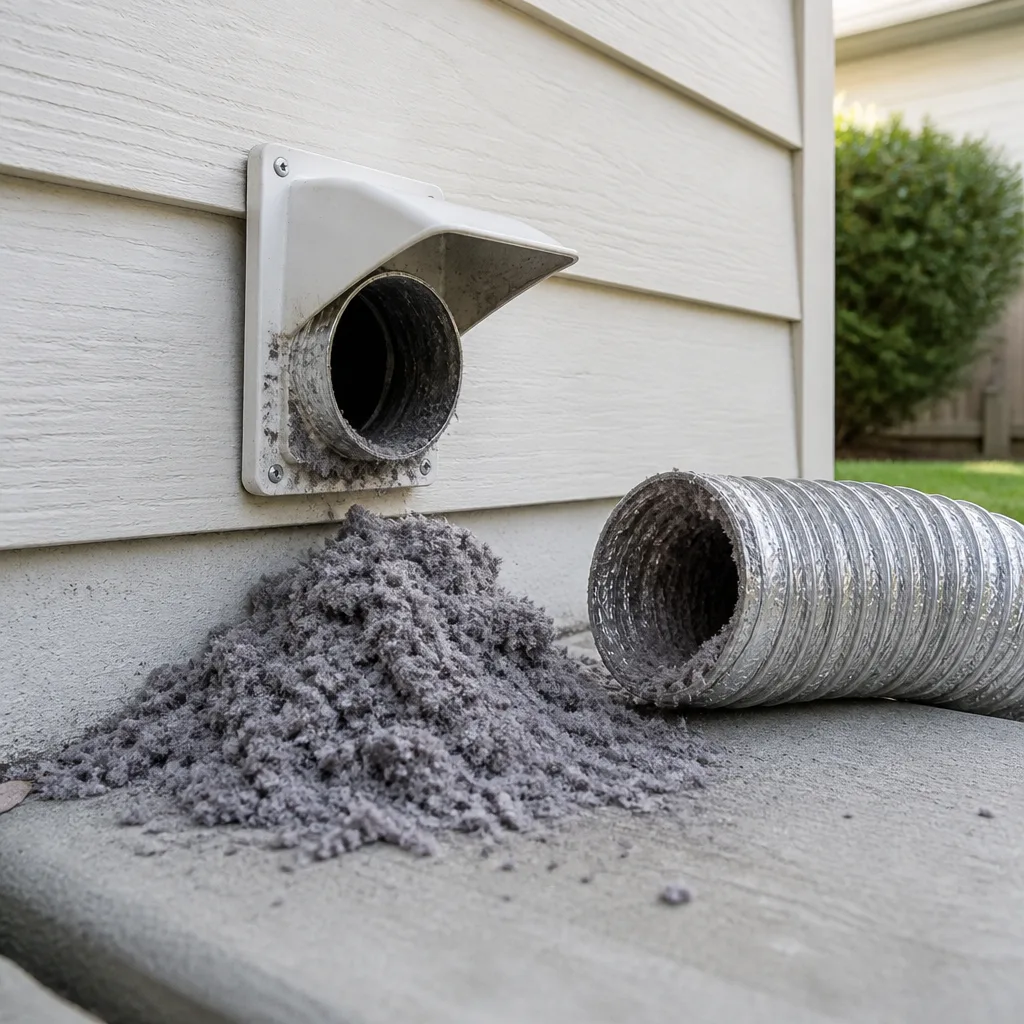 Dryer vent cleaning
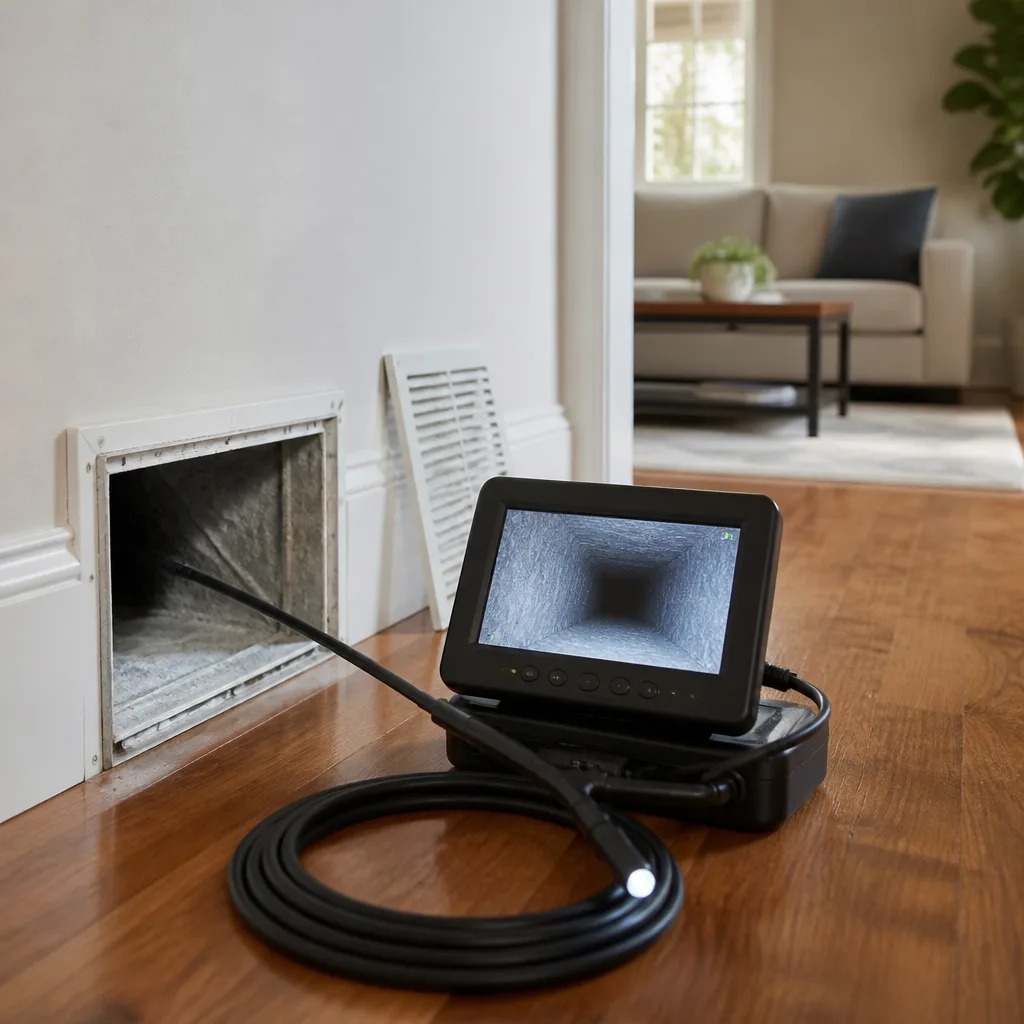 Camera inspection
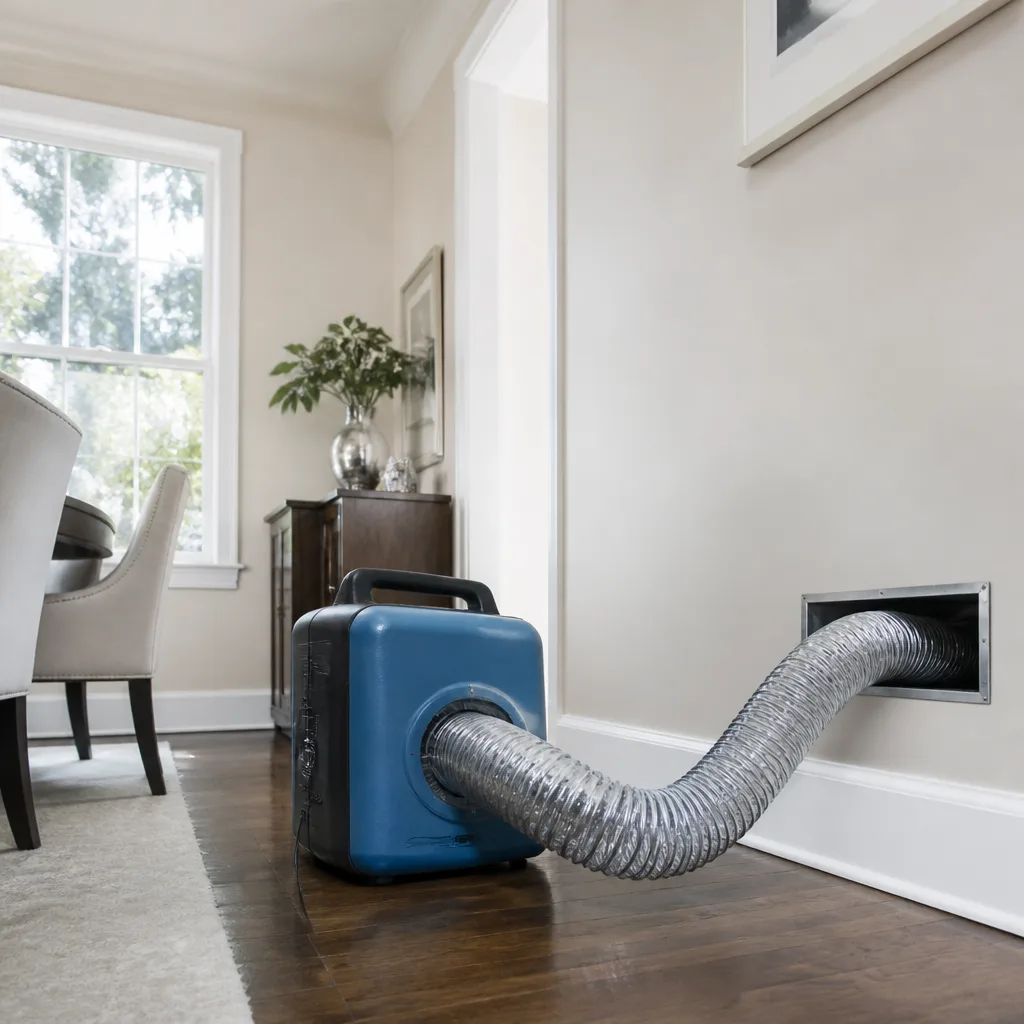 Sanitizing & deodorizing
Whole-system duct and dryer vent check with before-and-after photos - you see exactly what came out of your vents
That "$99 whole-house special" is a bait ad - the real number appears once they are in your hallway, or the "clean" is a shop-vac at the register. We photograph the inside of your ducts before and after instead.
Air Duct Cleaning Emergency Preparedness Guide for South Hill Homes
Most South Hill homeowners file duct cleaning under routine maintenance: a once-a-decade task, mildly satisfying, easy to postpone. The 2020 Western Washington smoke events upended that assumption. Many homes here ran their HVAC systems through those smoky weeks only to measure indoor fine particulate (PM2.5) higher than the air outside, because return-side leaks and loose filter fits pulled smoke straight into the duct system and the house deposited it into every room. Ducts don’t just carry conditioned air. They carry whatever the outside air becomes during a disaster. This guide covers how to prepare your ductwork before an air quality emergency, what to do with your HVAC system during a wildfire smoke event, how to respond when a flood leaves crawl space or basement duct runs wet, what professional decontamination actually involves, and how to document damage for an insurance claim. We wrote it for South Hill because that’s where we work.
Quick Answer
Emergency duct preparedness for South Hill homes means three things: seal and filter your duct system before smoke season so it doesn’t draw contaminants in, follow a specific run-and-recirculate protocol during a smoke event instead of guessing, and after any flood or fire, arrange professional decontamination and sealing of the ductwork rather than a standard cleaning. A standard clean removes surface dust. Decontamination removes smoke residue, moisture-driven mold spores, and settled ash from every run, then seals the leaks that let them back in.
Styles & brands we work with
- Whole-home duct cleaning
- Dryer vent cleaning
- Camera inspection
- Sanitizing & deodorizing
Table of Contents
- Why your ducts are an emergency system, not a routine one
- Before the emergency: preparing your duct system
- During a wildfire smoke event: the HVAC protocol
- After a flood: duct response and mold-risk timeline
- What duct decontamination involves vs. standard cleaning
- Documenting duct damage for insurance claims
- Common mistakes to avoid
- When to call a professional
Why Your Ducts Are an Emergency System, Not a Routine One
Think about what the duct system physically is. It’s a network of hollow passages, several hundred feet of them in a typical South Hill house, connecting an air handler to every room. Every time the system runs, it’s a pressure differential: the return side pulls air in, the supply side pushes it out. If the return ductwork has leaks, and many South Hill homes do, the system pulls air from crawl spaces, wall cavities, and attics along with the air from the living room. When outside air is thick with wildfire smoke, the natural infiltration through gaps, window seals, and door frames is bad enough. A leaking return system makes it worse, because the ductwork actively pumps contaminated air through the house instead of pulling from the cleaner interior.
The same logic runs in reverse after a flood. Water sitting in a crawl space raises the humidity inside that envelope to near saturation. Any duct run passing through there, or any flex duct touching the wet soil, becomes a condensation surface. Mold spores need moisture and a food source, and dust lining the duct walls is the food source. The system then distributes spores into every room each time it cycles. Ducts that stay clean and dry are simply an air delivery system. Ducts that get wet or smoky become a contamination vector, and cleaning them is no longer a cosmetic decision. In our experience, most South Hill property managers we speak with have never thought of the duct system as part of a household emergency plan, even alongside earthquake kits and water shutoffs. It belongs there.
What about the rest of the home? Ducts also feed air quality in the rooms people sleep in every night, and if you’ve never had the system inspected, a professional air duct cleaning is the baseline before any emergency planning makes sense. The preparation work below builds on that baseline.
Before the Emergency: Preparing Your Duct System
The best time to address ductwork vulnerability is when nothing is burning and nothing is flooding. Preparation here is straightforward, inexpensive relative to the damage it prevents, and most of it is a one-time job.
1. Fix the filter fit
A filter that’s undersized for its slot, or one that rattles when the system kicks on, is bypassing unfiltered air around its edges. That air is coming from the return duct and carrying whatever settles in it. Measure the filter slot, buy the exact size, and make sure the filter seats snugly against the frame. A gap of a quarter inch is enough to let a substantial share of air around the filter media.
2. Increase the MERV rating carefully
Higher MERV ratings capture finer particles, including the fine smoke particulate that causes most of the health concern during a smoke event. But a filter that’s too restrictive can choke a system designed for lower airflow, particularly older systems. Check your air handler’s manual or ask an HVAC technician what MERV range the system tolerates before you upgrade. The most common mistake is jumping to the highest rating available; on many systems the right choice for smoke season is one step up from the standard filter, not five.
3. Seal the return-side leaks
This is the point that separates homes that fared well in the 2020 smoke events from homes that didn’t. Return ducts in attics and crawl spaces often have loose joints, disconnected sections, or unsealed penetrations where the duct passes through a wall or floor. Every one of those is a hole that pulls outside air into the system. An inspection with the system running and a smoke pencil can locate them; professional duct sealing closes them. When you seal leaks, you also cut the amount of contamination that can enter during the next smoke event, and you get a more efficient system in the process.
4. Know where your ducts run
South Hill homes vary. Some have all their ductwork inside the thermal envelope, in interior walls and ceilings. Many have runs through the attic, crawl space, or garage. A quick look at the layout tells you which runs are most vulnerable to outside air and moisture. Write this down and keep it with your home’s emergency information.
If your return system turns out to have significant leakage, duct repair and sealing is usually a same-visit fix when the crew has the right materials and tools. That is the kind of full-scope work we handle under HVAC cleaning, and it’s worth doing before the next smoke event, not after.
During a Wildfire Smoke Event: The HVAC Protocol
When wildfire smoke settles over the Puyallup River valley and South Hill fills with it, the instinct is to run the HVAC normally and hope the filter catches it. That instinct deserves questioning. The right protocol is sequenced, and it depends on whether your system is set up to recirculate.
Step 1: Switch to recirculation
Most modern thermostats and air handlers have a recirculate or “fan only” mode that stops pulling outside air and cycles interior air through the filter. Turn it on. If your system has a fresh air intake that can’t be closed, you’re pulling smoke in with every cycle, and the fix is a damper or a temporary block at the intake. If the system has no recirculation setting and only operates in a combined mode, run it less. During a smoke event, fewer cycles of filtered interior air beats constant cycles of smoke-diluted outdoor air.
Step 2: Run the fan continuously at low speed if your thermostat allows
Constant low-speed fan operation keeps air moving through the filter rather than letting it stall in the ductwork, and it means the filter catches more of the fine particulate that seeps in through normal gaps. This only helps if the filter fits properly and the return system is sealed; otherwise continuous operation pulls more unfiltered air through the leaks. This is exactly why the preparation work in the previous section matters.
Step 3: Shut the system down if indoor readings exceed outdoor
If you have any way to monitor indoor PM2.5, and readings inside are climbing above the readings outside, the system is making the problem worse. Shut the system off, open the fewest doors and windows you can, and use standalone room air cleaners in the bedrooms and the room where you spend the most time. Once the smoke clears, the duct system should be professionally decontaminated before you run it normally again, because fine smoke particles have settled into the duct lining, the air handler, and the filter cavity, and starting the system back up without cleaning reintroduces them.
Step 4: Replace the filter immediately after the event
A filter that captured a week of smoke is loaded and less effective. Replace it, and note the date. A filter change is not a substitute for duct decontamination, but it’s the first and easiest step.
One more thing during a smoke event: the dryer is not part of the air quality problem, but it is part of the fire risk picture. If you’re running every appliance in the house because you’re stuck inside, don’t forget the lint trap, and consider booking dryer vent cleaning afterward if you haven’t had it done. Clogged vents are a leading cause of residential fires.
After a Flood: Duct Response and Mold-Risk Timeline
Flooding in the South Hill area is usually a crawl space or basement event, driven by heavy rain, blocked drainage, or a plumbing failure. The ductwork is rarely the first concern in the moment, and that’s how it becomes a serious problem. Wet ductwork plus warm temperatures is a mold-growth environment, and the spores end up in every room the system serves.
The mold-risk decision timeline
- Within 24 hours: Shut off the HVAC system if any duct run is in or near standing water. Turn off the air handler. Do not run the fan to “dry it out.” Running the system with wet ductwork pulls moisture into the air handler and spreads spores through the house.
- Within 48 hours: Arrange for the water to be removed and the crawl space or basement to be dried. Dehumidifiers and fans in the affected envelope are the priority. If the duct runs are flex duct and got wet, they are usually replaced rather than cleaned; flexible duct has a corrugated interior that traps moisture and debris in ways that can’t be reliably cleaned.
- Within 3 to 7 days: Have the ductwork inspected for moisture and visible mold growth. This is the point where a professional inspection determines whether the system can be cleaned and sanitized or whether sections need replacement. Don’t wait for a musty smell to develop; by the time you can smell it, the growth is established.
- After the envelope is dry: Have the duct system cleaned and sanitized before the HVAC system goes back into normal service. Then have the damaged or water-exposed sections of duct sealed or replaced. Cleaning a wet duct is wasted effort; the system has to be dry first.
What changes the decision
If the flood water was category 1 (clean water from a supply line or rain), the ductwork may be salvageable after drying and sanitizing. If it was category 2 or 3 (gray or black water, including groundwater and sewage backups), any duct material that came into contact with it is generally considered contaminated and not salvageable through cleaning alone. This is one of the cases where a standard cleaning is not enough and the correct route is replacement plus decontamination of the surrounding system. The professionals we connect you with can make that call after inspecting the ductwork in person.
What Duct Decontamination Involves vs. Standard Cleaning
Standard duct cleaning removes accumulated dust, debris, and loose contamination from the duct interiors. That’s the right service for a system whose last cleaning was years ago and which has been running normally. Decontamination is a different job, with different tools and a different standard of completion. When a contamination event has occurred, smoke, flood residue, mold spores, or ash, the goal is not to remove surface dust but to restore the duct system to the condition it would be in if nothing had happened. That means eliminating residue that has bonded to the duct lining, neutralizing microbial growth, and then sealing the leaks that allowed the contamination in.
Why a standard cleaning is insufficient after an event
A standard clean is usually performed with suction and a rotary brush system. That’s effective for dust but can aerosolize fine particulate during the work, which is why professional operations contain it. After a smoke event, the fine PM2.5 residue is in the duct lining, the seams, the air handler cabinet, and the filter cavity. It’s also in the plenum and the return boots. A standard clean won’t reach all of that, and it won’t neutralize what it can’t reach. Decontamination uses a negative-air containment setup, such as the Abatement Technologies equipment we run, so that dislodged contaminants are captured rather than recirculated into the home. Then a sanitizing treatment (we use product lines from Honeywell and Aprilaire) neutralizes what’s left. Finally, sealing and repair close the entry points.
What a decontamination involves
- Inspection of the full duct system with an on-site assessment of smoke or mold damage
- Negative-air containment set up at the register openings before any dislodging begins
- Agitation and extraction of the duct runs, plenum, and air handler with professional-grade equipment (we use Rotobrush and Nikro extraction systems)
- Cleaning of the air handler cabinet and blower where accessible
- Application of a sanitizing product to the cleaned duct surfaces
- Sealing of return and supply leaks
- Replacement of the filter and a final visual inspection, with before-and-after photos provided
The difference in practice is not the equipment list, it’s the standard of completion. A standard clean is finished when the dust is gone. A decontamination is finished when the ductwork is dry, clean, sanitized, and sealed. In South Hill we see a lot of systems that had a standard clean after an event and still show visible residue or a persistent odor weeks later. That’s what the second job is for. Our South Hill Air Duct Cleaning Pros team is set up for both, and we’ll tell you honestly which one your home needs.
Documenting Duct Damage for Insurance Claims
Insurance adjusters see a lot of claims, and they discount claims that don’t have good documentation. Duct damage from a smoke event or flood is a case where documentation carries the claim. Here’s what adjusters recognize and what to keep.
Photo documentation
- Wide shots showing the source of the damage (the smoke outside, the water line in the crawl space) with the date visible
- Close-up photos of the duct openings and register grilles showing visible residue, staining, or moisture
- Photos of the duct interior before any cleaning, using a flashlight and taking the shot from multiple angles
- Photos of the air handler and filter, showing the filter condition at the time of the event
- After-cleaning photos of the same locations, for the record
Air quality testing records
If you have indoor PM2.5 readings or a portable air quality monitor with a date-stamped log, keep the log. If you don’t have a monitor, note the date and time you first noticed the problem and any symptoms or visible indicators. A professional air quality assessment after the event, performed by a trained technician and documented in writing, carries more weight with an adjuster than a homeowner’s written statement alone. That written report should include the inspection date, the technician’s findings, the recommended scope of work, and photographs.
The professional inspection report
An inspection report from a duct and HVAC cleaning specialist is the document that adjusters most often ask for. It should state clearly what was found, how the finding relates to the event, and what work is recommended to correct it. A written estimate that separates the cleaning, sanitizing, sealing, and any replacement work is easier for an adjuster to process than a single lump figure. We provide written estimates at no charge and before-and-after photos as part of the work, which is what most claims need.
The other documentation worth keeping: copies of any receipts for drying equipment, dehumidifiers, and filter replacements, and the dates on which the water was removed or the smoke event affected your area. Keep a simple log. If you file a claim, the adjuster’s first question will be what the timeline was, and a contemporaneous log answers it. For a deeper look at what a professional inspection turns up, see our guide to air duct cleaning.
Common Mistakes to Avoid
- Running the HVAC normally through a smoke event. This pulls smoke into the system and pushes it through the house. Switch to recirculation, or shut the system down if indoor readings climb above outdoor readings.
- Assuming a higher MERV filter is always better. A filter that’s too restrictive for your system chokes airflow and can damage the air handler. Check the system’s tolerance before upgrading.
- Skipping the return-side leak check. Leaks in the return ductwork, especially in attics and crawl spaces, are the single biggest cause of smoke infiltration during an air quality event in South Hill homes.
- Running the system to dry out wet ducts. After a flood, the instinct is to circulate air. Shut the system off instead, and dry the envelope with dehumidifiers and fans outside the ductwork.
- Booking a standard cleaning after a smoke or flood event. A standard clean removes dust but not the bonded residue and microbial growth. Ask specifically for decontamination and sealing.
- Waiting for a smell before acting. Mold growth in ductwork is well established by the time the odor is noticeable. Inspect within the first week after a flood, not after the smell starts.
- Filing a claim without professional documentation. Homeowner photos and notes help, but an adjuster will usually want a written inspection report and a separated estimate. Get the inspection before the cleaning, not after.
When to Call a Professional
Call professional help when any of these are true: your home has been through a wildfire smoke event and you haven’t had the ductwork decontaminated since; your crawl space or basement flooded and any duct run was in or near the water; you smell smoke or mustiness coming from the registers weeks after an event; you see visible residue or staining inside the register grilles; or you’re preparing an insurance claim and need a written inspection report. In South Hill, our technicians have up to 14 years of experience and use professional-grade extraction and containment equipment on every decontamination, and we provide before-and-after photos as part of the job. South Hill Air Duct Cleaning Pros offers free estimates in South Hill. Call (833) 772-9858. We answer 24/7. Fast dispatch from 7am to 7pm, Sunday through Friday. The price is set per job by the written estimate, so you know the cost before any work begins.
See the difference
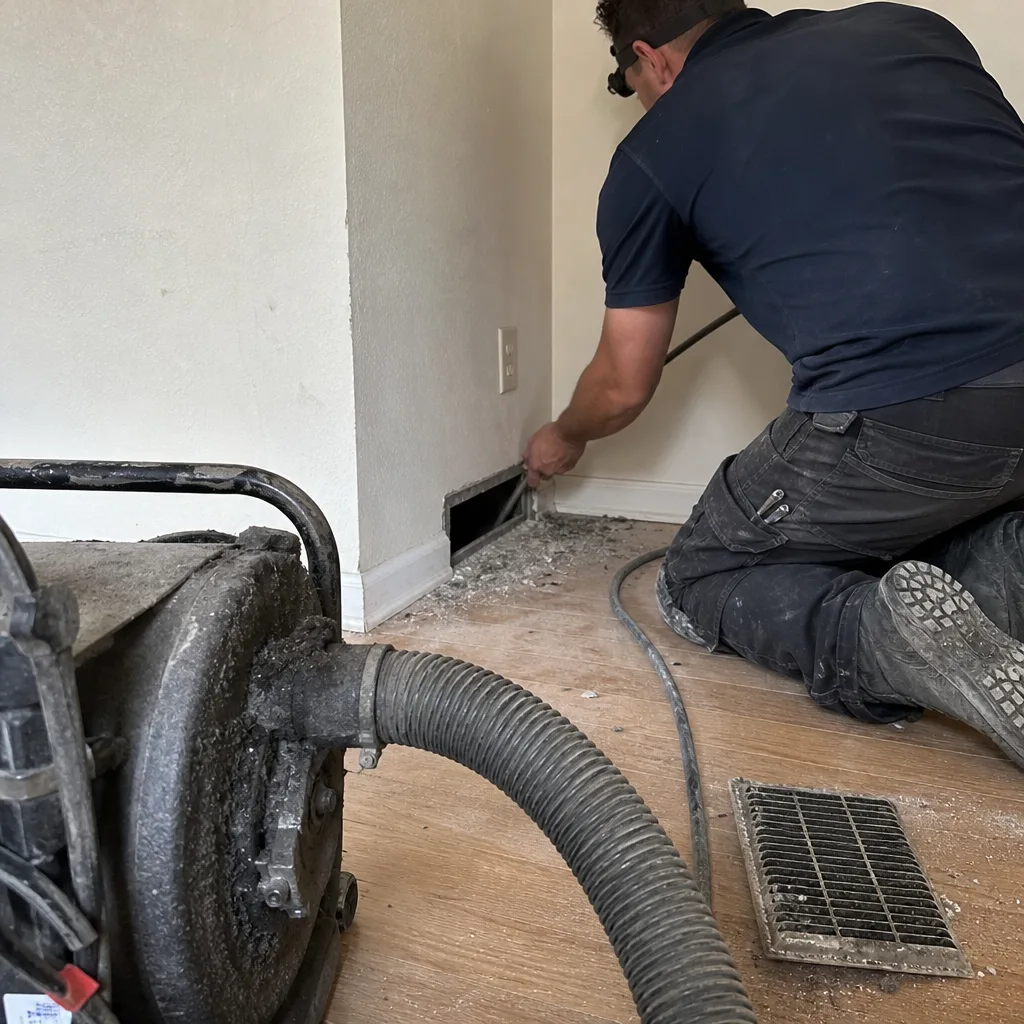 Before
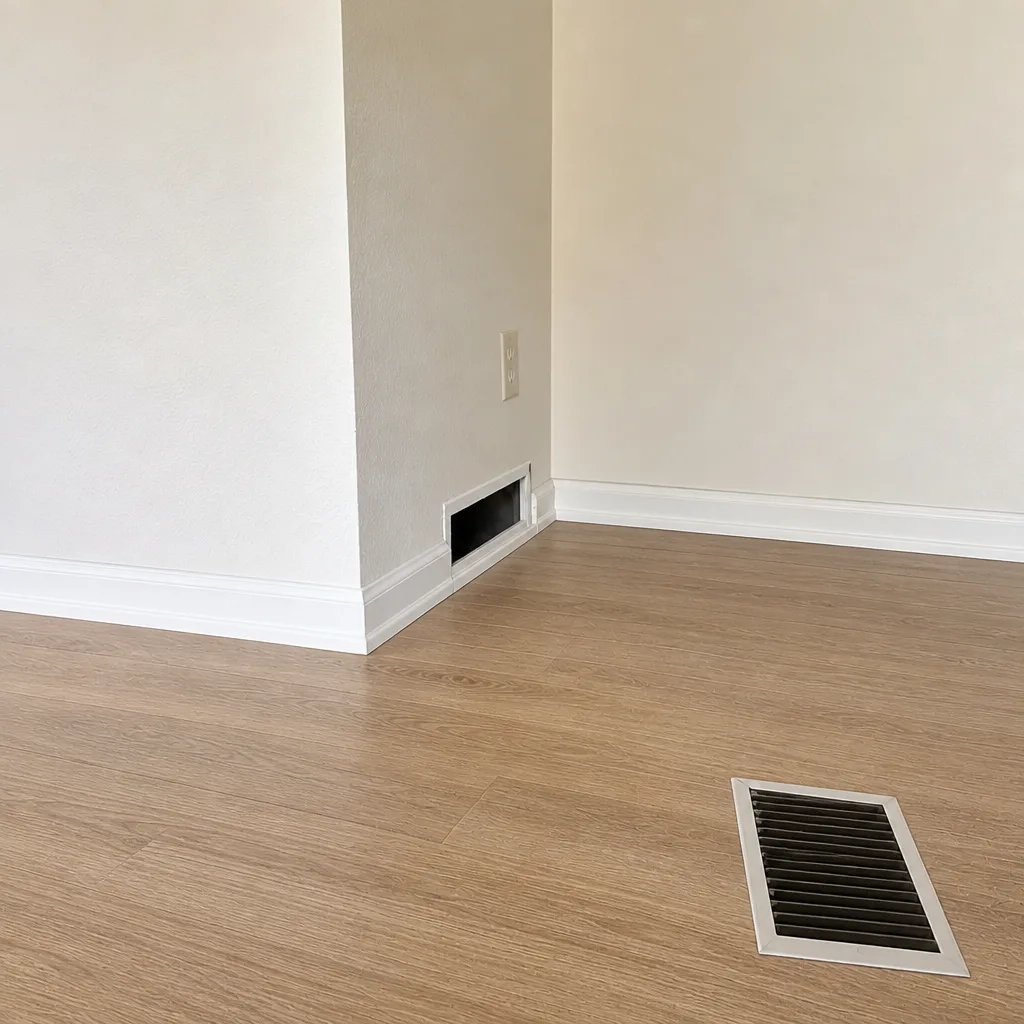 After
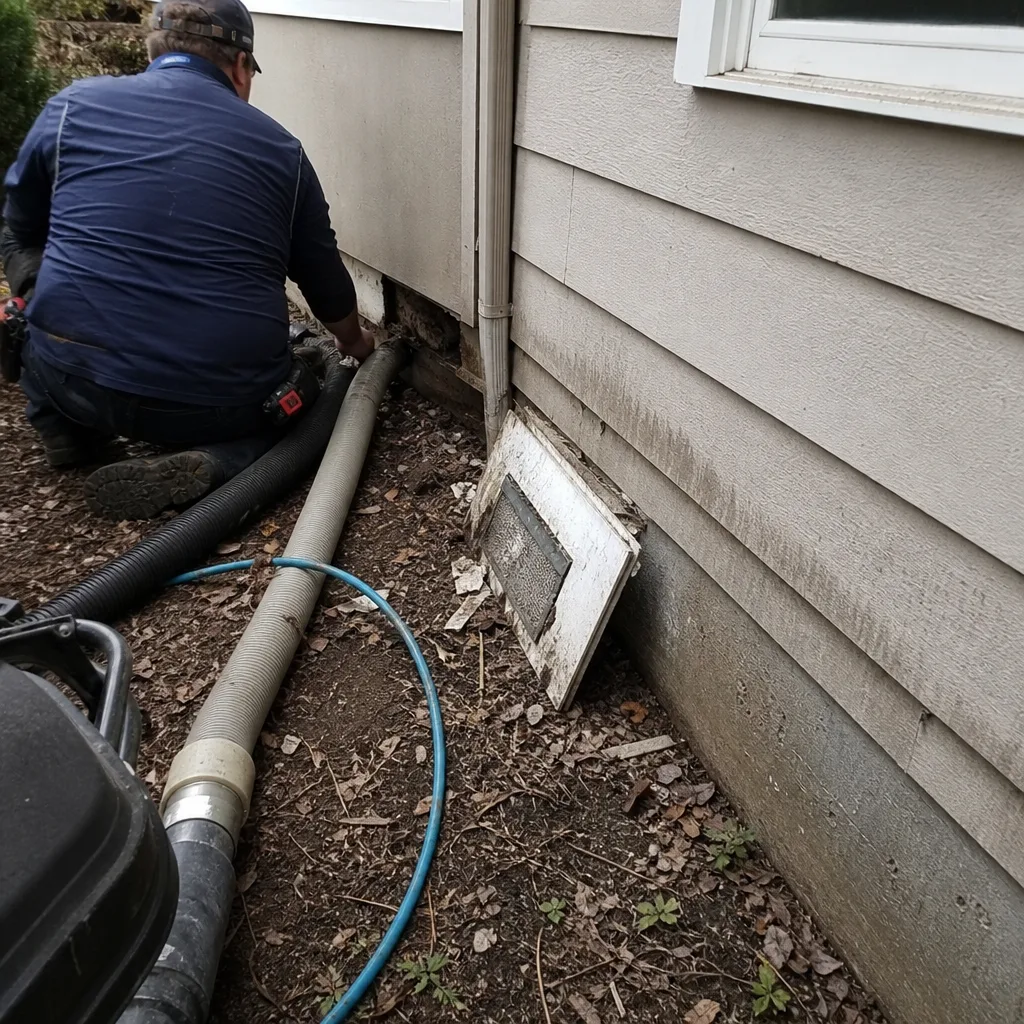 Before
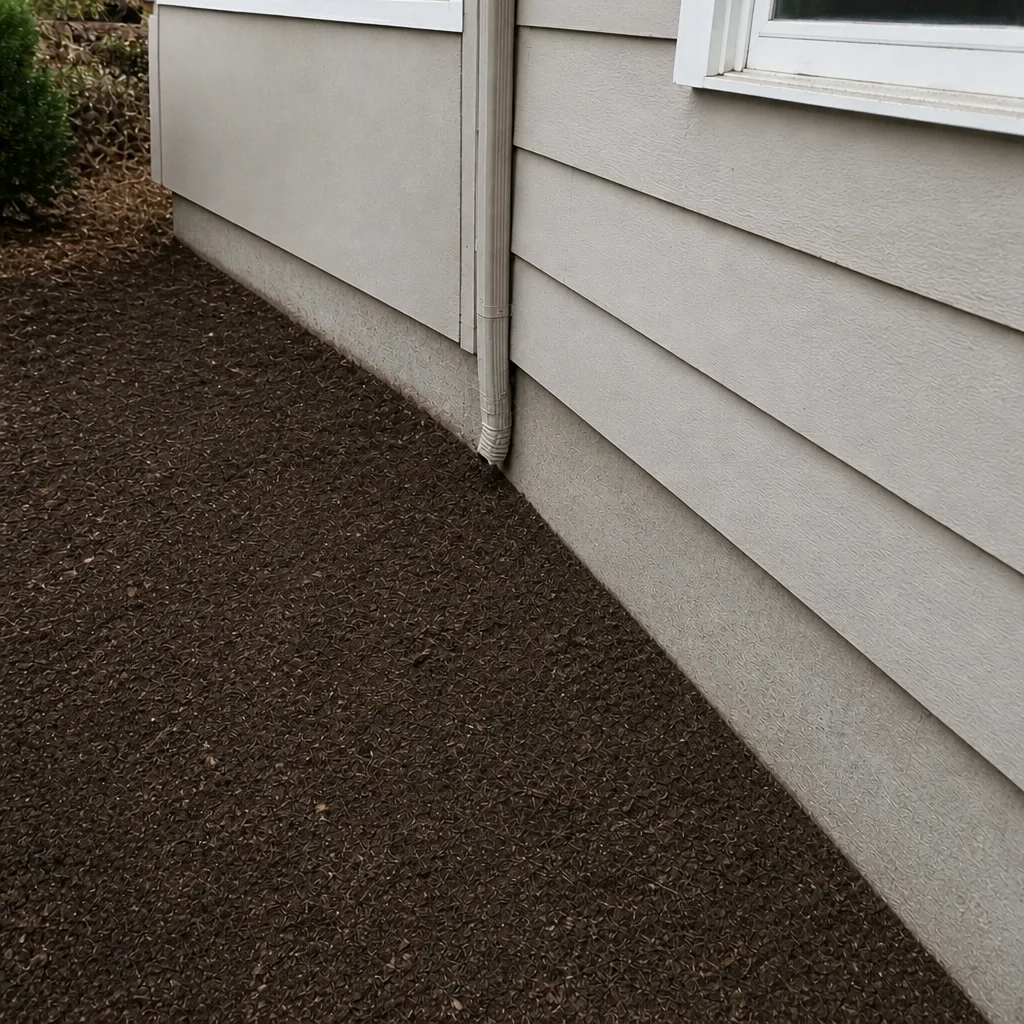 After
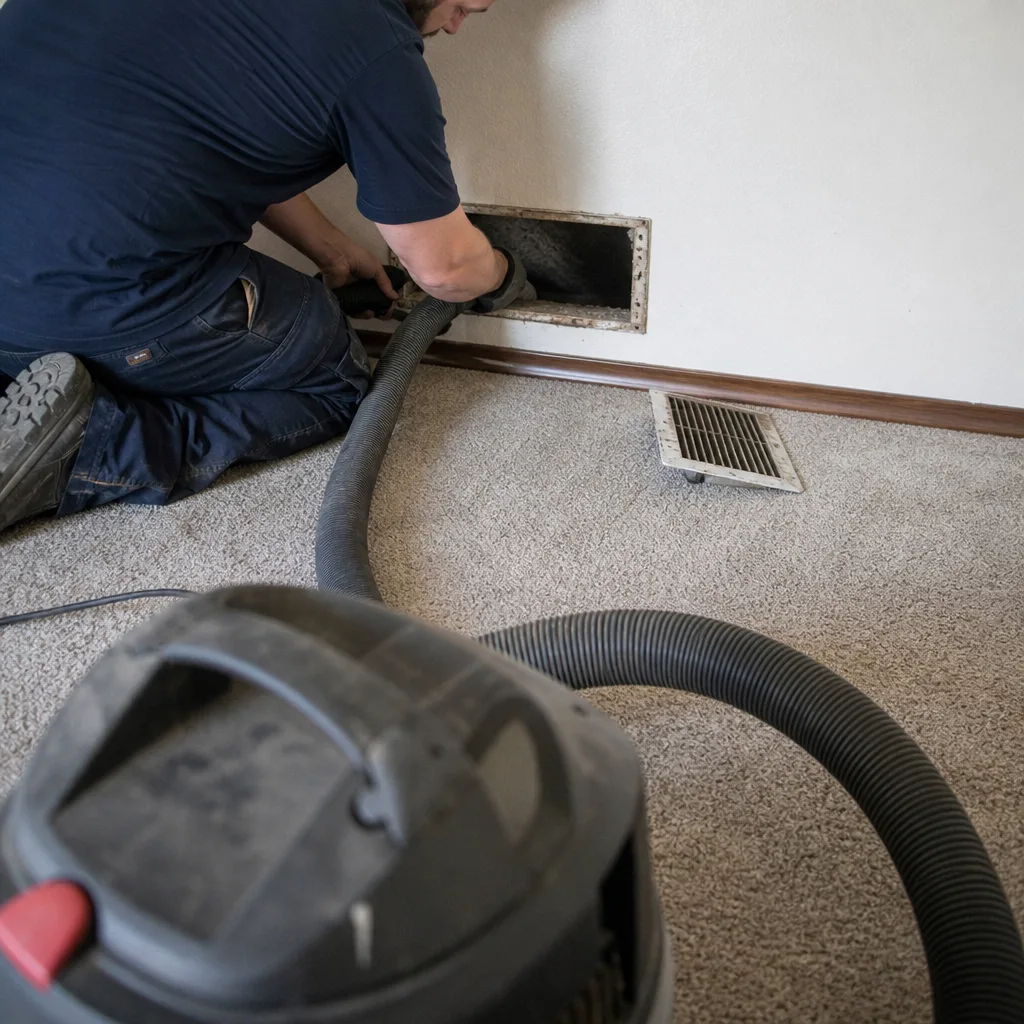 Before
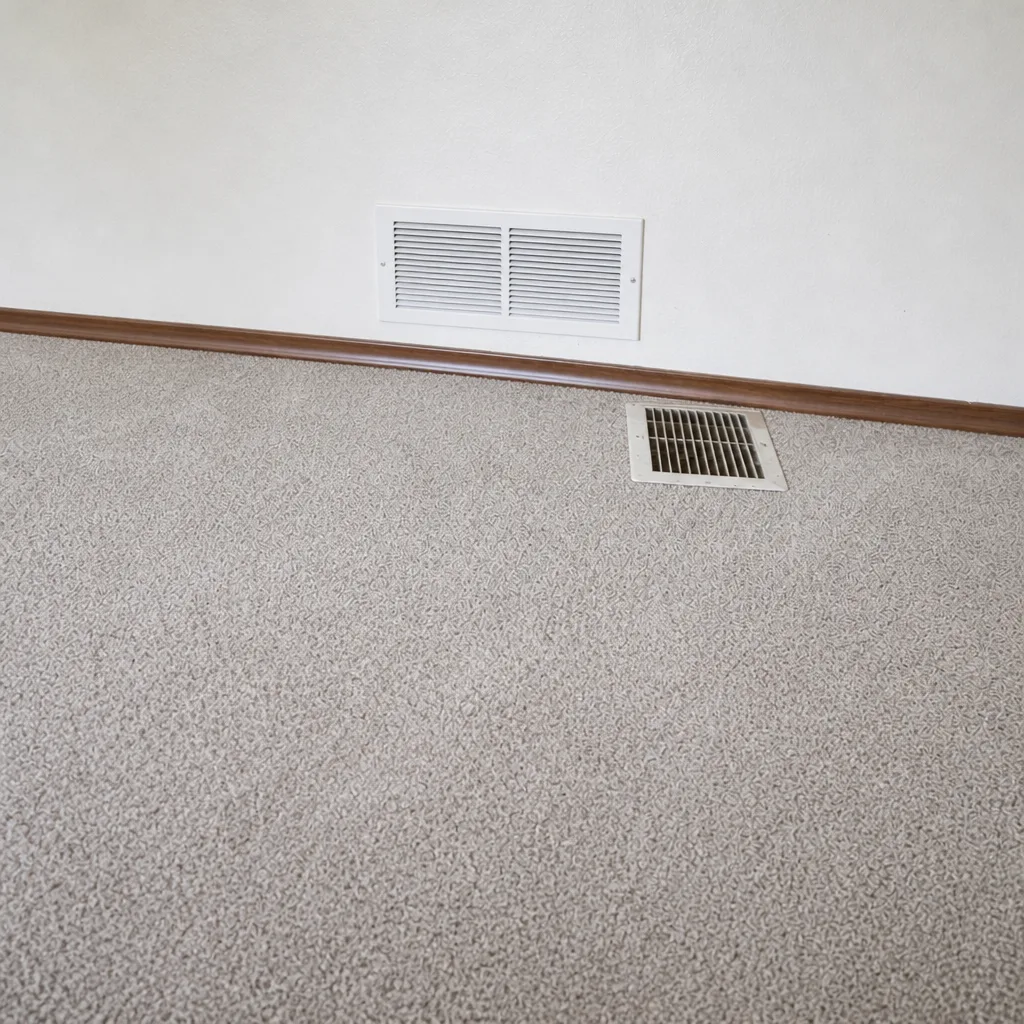 After
Frequently Asked Questions
As soon as the smoke has cleared and the outdoor air quality has returned to normal, ideally within the first few weeks. Fine smoke particles settle into the duct lining and the air handler and re-aerosolize every time the system runs. Call (833) 772-9858 for an exact quote; estimates are free.
Recirculation helps during the event but doesn’t eliminate the need for decontamination afterward. The filter captures some of the fine particulate, but a meaningful share settles into the ductwork, the plenum, and the air handler cabinet. Running the system normally after the smoke clears without cleaning reintroduces it. Call (833) 772-9858 to schedule an inspection and get a written estimate.
Yes, if any duct run passed through the wet envelope. Even ductwork that stayed above the waterline can condense moisture from the saturated air in a flooded crawl space, and that’s enough for mold to establish on the dust lining. Have the system inspected and sanitized before it goes back into normal service. Call (833) 772-9858 for an exact quote.
Standard cleaning removes accumulated dust and debris. Decontamination removes bonded smoke residue and microbial growth, neutralizes what’s left with a sanitizing treatment, and seals the leaks that allowed contamination in. After a smoke or flood event, decontamination is the right service. Call (833) 772-9858 and we’ll tell you which one your home needs.
That depends on your policy and the cause of the event, and it’s a question for your insurer. What we can do is provide the written inspection report and separated scope of work that adjusters typically ask for. If you’re filing a claim, get the inspection first. Call (833) 772-9858 for a free estimate.
You should have before-and-after photos of your own ductwork and a written summary of the work performed. Ask for both before the job is booked, and confirm that the crew uses containment equipment so that contaminants are captured rather than recirculated. We provide photos as standard. Call (833) 772-9858 for an exact quote; estimates are free.
The Bottom Line
Your duct system is not just a comfort system. During a wildfire smoke event or a flood, it’s the path the contamination takes into every room of your South Hill home. Prepare it in advance: fix the filter fit, upgrade the MERV rating within your system’s tolerance, and seal the return-side leaks. During a smoke event, switch to recirculation or shut the system down if indoor readings climb. After a flood, stop the system, dry the envelope first, and have the ductwork inspected within a week. Know the difference between a standard clean and true decontamination, and document everything with photos and a professional inspection report if you file a claim. If you’re not sure where your home stands, a free estimate is the fastest way to find out.
Written by the team at South Hill Air Duct Cleaning Pros.