
Last updated November 25, 2026
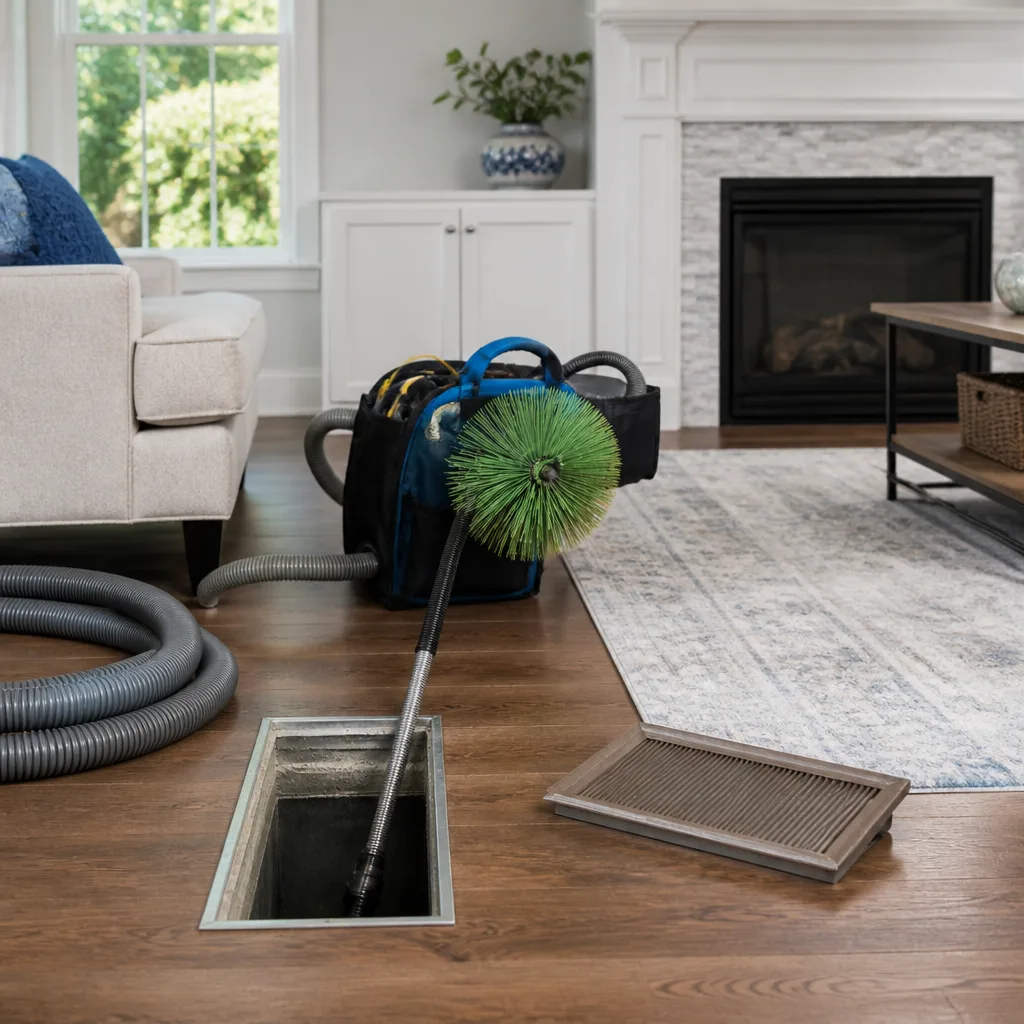 Whole-home duct cleaning
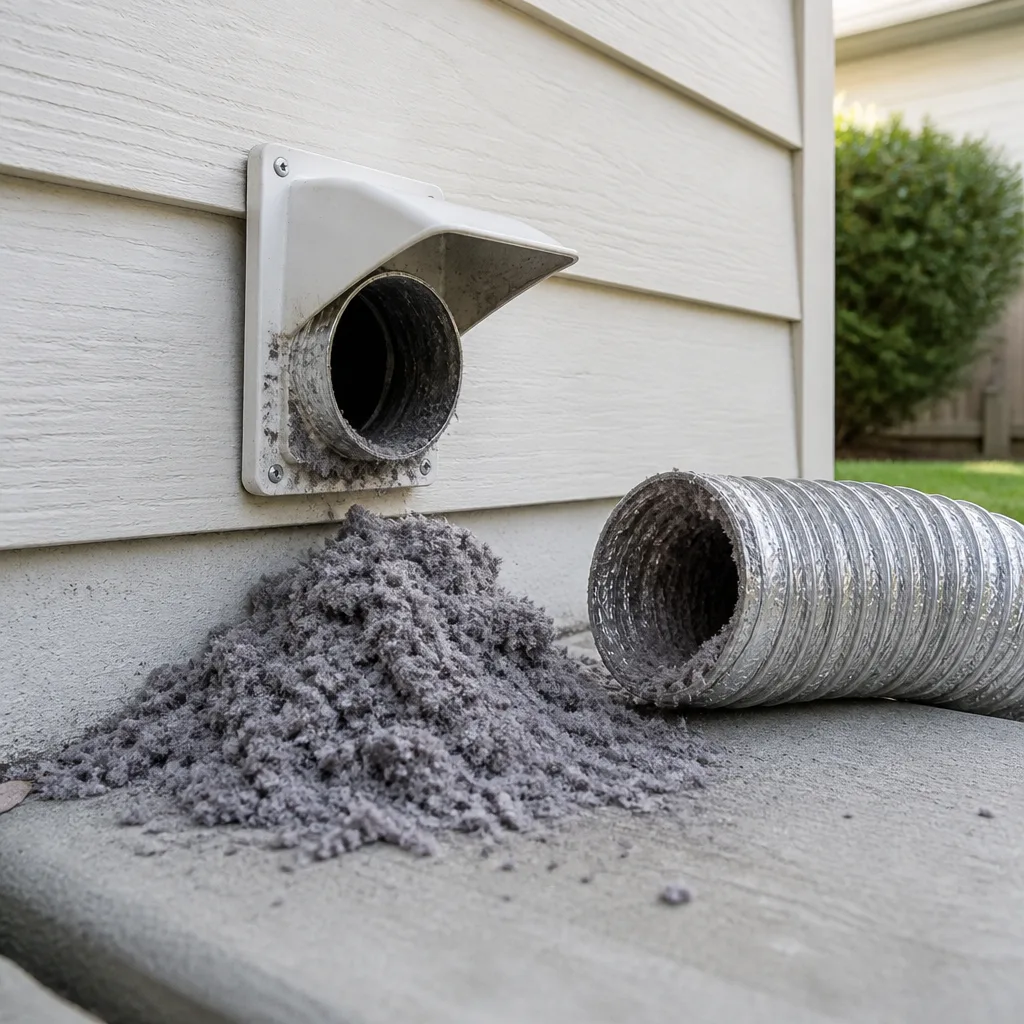 Dryer vent cleaning
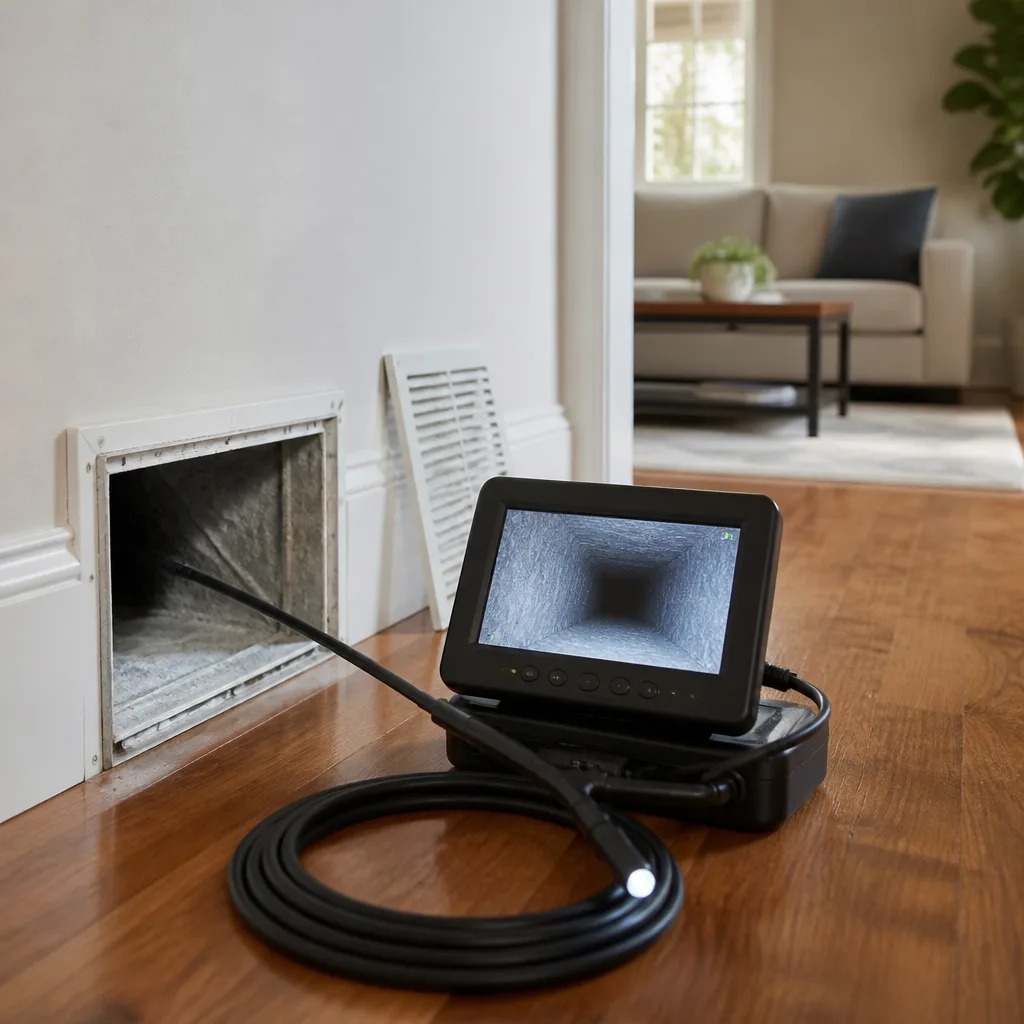 Camera inspection
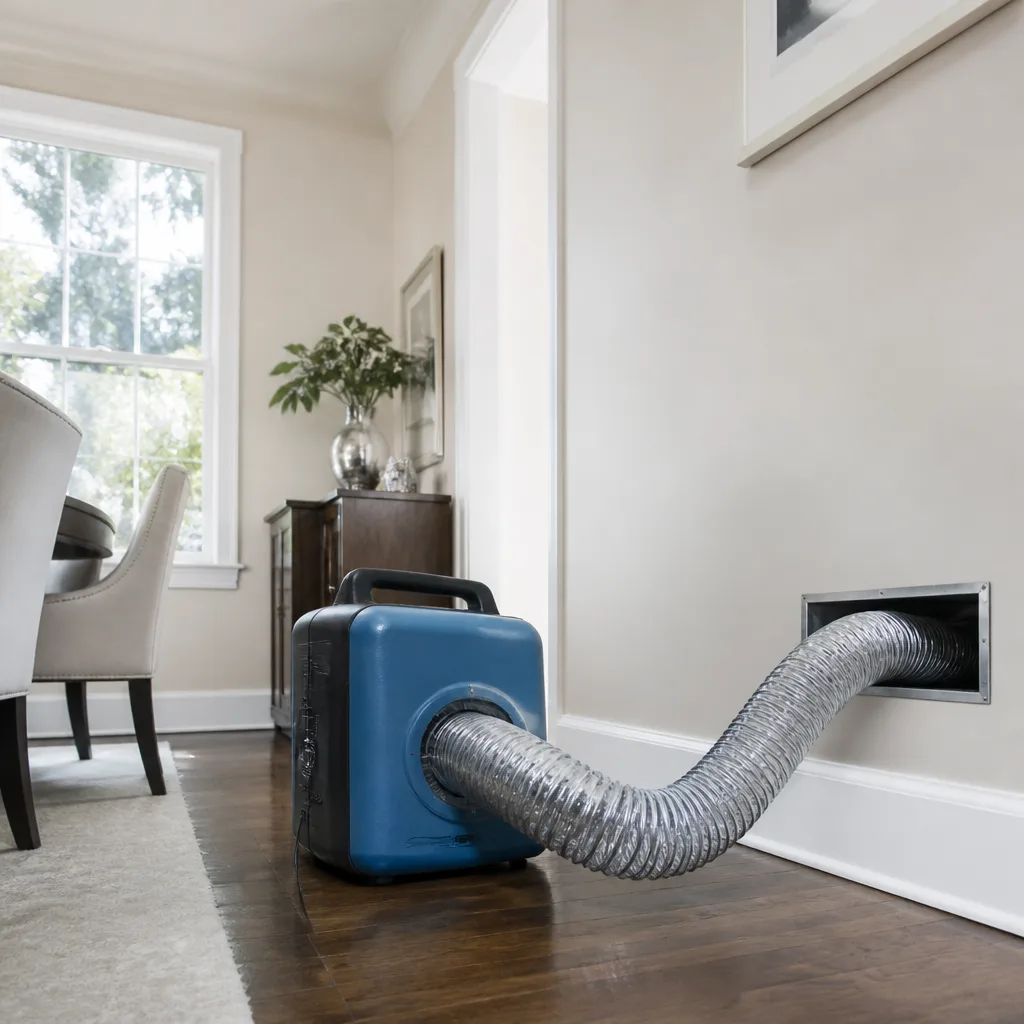 Sanitizing & deodorizing
Whole-system duct and dryer vent check with before-and-after photos - you see exactly what came out of your vents
That "$99 whole-house special" is a bait ad - the real number appears once they are in your hallway, or the "clean" is a shop-vac at the register. We photograph the inside of your ducts before and after instead.
Air Duct Cleaning Maintenance Schedule: What to Do and When
The most widely repeated advice about duct cleaning is “clean as needed.” That guidance comes from the EPA, and it was written for a country that didn’t yet treat wildfire smoke as an annual event. In South Hill, smoke season now arrives most summers, wood stoves run through the colder months, and a good share of homes sit on crawl-space ductwork that pulls in whatever the ground beneath them holds. A single cleaning every three to five years ignores all of it.
This guide replaces the marketing average with a decision framework built around actual South Hill conditions: your fuel source, your pets, your allergies, your duct location, and what happened to your house in the last twelve months. You’ll get baseline intervals, acceleration triggers, what to check between professional visits, and what to log. We work on duct and HVAC systems every day, and this is how we’d schedule a home if it were our own.
Quick Answer
Most South Hill homes need professional duct cleaning every three to five years, but that baseline drops to every two to three years for households with pets, allergy or asthma sufferers, wood-burning stoves, or crawl-space duct runs. Add a cleaning after any major renovation, rodent activity, water intrusion, or a heavy wildfire smoke season. Between cleanings, change filters on schedule and inspect accessible registers monthly.
Styles & brands we work with
- Whole-home duct cleaning
- Dryer vent cleaning
- Camera inspection
- Sanitizing & deodorizing
Table of Contents
- What’s the baseline schedule for a typical South Hill home?
- Condition-based matrix: when to shorten the interval
- Wildfire smoke season as a maintenance trigger in Pierce County
- What to do between professional cleanings
- Post-event cleaning triggers: renovation, rodents, water, HVAC replacement
- What a maintenance log should contain and why it matters
- Common mistakes to avoid
- When to call a professional
What’s the baseline schedule for a typical South Hill home?
For an average South Hill household with no pets, no one with respiratory conditions, and forced-air heat that isn’t fed by a wood stove, professional cleaning every three to five years is a reasonable baseline. That figure assumes a few things working in your favor: filters changed on time, no recent construction dust, no leaks in the duct runs, and ductwork that stays sealed at the joints and boots.
The reason a range exists instead of a single number is that ducts don’t accumulate debris at a fixed rate. They accumulate it at the rate your home produces it. Every return pulls in what’s floating in the air, and what’s floating in the air depends on where you live, how you heat, how tightly your house is built, and what walks through it. A new build on a slab in a clean, filtered home and an older home with a wood stove and two dogs are not on the same clock.
South Hill sits in an interesting spot for this. Pierce County’s climate is mild and damp for much of the year, which keeps dust from going airborne the way it does in dry climates, but the heating season is long enough that your system runs heavily from fall into spring. That combination means contaminants settle and stay settled, then get stirred back up each time the furnace kicks on. Ductwork in a vented crawl space is the most exposed version of this: the runs sit in cooler, damper air than the living space and can collect moisture-driven residue along with the usual dust.
Here’s our advice on how to use the baseline: treat three to five years as your default, then check it against the triggers in the next section. If two or more apply to your household, move to the shorter end. If four or more apply, you’re probably already past due.
Condition-based matrix: when to shorten the interval
The fastest way to set your own schedule is to score your home against the conditions that accelerate buildup. Use this as a starting point, not a contract.
- Pets in the home (especially double-coated breeds): shorten to two to three years. Pet hair and dander coat the inside of return runs faster than household dust, and a shedding dog in a home with carpet is the single most common reason we find heavy accumulation at the two-year mark.
- Anyone in the household with asthma, allergies, or a compromised immune system: shorten to two to three years, and consider air quality add-ons with the cleaning. The point of cleaning in these homes isn’t aesthetics, it’s reducing the particle load the system spreads.
- Wood-burning stove or fireplace insert: shorten to two years. Wood smoke leaves fine, sticky residue that binds to dust inside the duct walls. Homes in the older parts of South Hill with wood heat are consistently the dustiest systems we open.
- Crawl-space ductwork: shorten to two to three years, and add a duct inspection each time. Loose joints, sagging runs, and condensation are all more likely below the floor than in an attic or a conditioned chase.
- Older home with original or partially retrofitted ductwork: assess at year two, then set the interval based on what you find. Sealed systems hold their cleanliness; leaky ones don’t.
- Recent move-in with no documentation: clean once to establish a known starting point, then start your own log.
- Heavy wildfire smoke year: add a cleaning or at minimum a filter and register inspection the following spring (more on this below).
If you want a simpler rule: two or more triggers, clean every two to three years; zero or one, every three to five. A specialist can confirm what your system actually looks like before you commit to an interval, and that inspection is part of a free estimate.
Wildfire smoke season as a maintenance trigger in Pierce County
Wildfire smoke is now part of the Western Washington calendar, and it doesn’t just affect the air outside. When smoke settles over Pierce County for days or weeks at a stretch, your HVAC system is one of the main paths that smoke finds into your living space. Every return pulls outdoor air through gaps in the envelope, and every leaky duct joint moves that air into the rooms you sleep in.
What we see in South Hill homes after a heavy smoke season is a distinct pattern: fine ash and soot particles settled along return runs and on the blower wheel, filter loads that spike faster than the calendar suggests, and a lingering smoke smell that doesn’t clear with a fresh filter. The smoke doesn’t just pass through. It deposits.
Our recommended protocol after a serious smoke season looks like this:
- Inspect the filter early. Don’t wait for the calendar. A filter that’s loaded with ash is doing its job less effectively and adds static pressure to the system.
- Check the registers and returns for visible deposits. A flashlight and a cloth tell you a lot. If the return grille cloth comes away dark, that’s a signal.
- Smell test. If your system pushes a smoky odor when it turns on, the duct run is holding residue, not just passing air.
- Schedule a professional inspection in the spring. A cleaning after the smoke season sets you up for the next heating cycle with a known-clean system.
Homes with crawl-space ductwork and older, unsealed joints take in more smoke than well-sealed systems. If your ducts leak, part of the fix is air duct cleaning and part is sealing, which we arrange in the same appointment so contamination isn’t left sitting in a system that’s still open to the ground and the outside.
What to do between professional cleanings
The work that matters most between cleanings is filter discipline and inspection, done at the right cadence for your system. Not everything needs a technician. Not everything should be handled by a homeowner either.
What you can do yourself
- Change filters on time. A pleated filter in the mid-to-high MERV range is a good match for most South Hill homes: it captures fine particles without choking airflow. Check monthly during heavy-use months, and always after smoke, renovation, or a filter that ran long.
- Inspect registers and returns monthly with a flashlight. Pop the grille, look inside. A quick visual check catches problems early and documents trends in your log.
- Check for the easy signs. Visible dust streaks near the register, dust blowing out with the system on, extra dust on surfaces soon after cleaning the house, and odors that appear only when the system runs.
- Keep the return path clear. Filters need airflow. Don’t stack boxes against return grilles or leave furniture pressed against them.
- Note the date and filter MERV on the filter itself. A marker and a date change the entire log picture in a year or two.
What you shouldn’t handle yourself
What’s behind the register is where the DIY line stops. Duct interiors, blower wheels, evaporator coils, and crawl-space runs are not homeowner territory. The equipment matters: a shop vac and a brush will stir contaminants into the air without containing them, and that’s exactly the failure mode to avoid. We use Rotobrush and Nikro extraction systems because they pull material out of the duct rather than just agitating it, and Abatement Technologies negative-air equipment to contain dislodged debris at the work site instead of recirculating it through your home. That’s how a professional clean is different from a thorough dusting of the grilles.
Don’t try to dismantle ductwork in a crawl space, don’t reach into a plenum or blower compartment, and don’t attempt to inspect or repair sealed duct joints with tape or sealant. Those are the places where amateur work turns into a leak that keeps feeding the system.
Post-event cleaning triggers: renovation, rodents, water, HVAC replacement
Schedule-based cleaning is half the story. The other half is event-driven. These are the situations that reset your clock regardless of where you were in the interval:
Renovation dust
Any project that generates dust – drywall work, floor refinishing, kitchen tear-outs, attic insulation – sends fine material into the return system. Drywall dust is especially bad: it’s fine enough to stay airborne and it can coat the blower wheel and coil. If the HVAC system runs during the work, schedule cleaning after the dust settles. If you can shut the system down during heavy work days and tape over the return grilles, do it. That alone can make the difference between a light cleaning and a heavy one.
Rodent evidence
Droppings, nesting material, or chewed insulation on a duct run are a signal to clean and inspection. Crawl-space systems are more exposed to this than attic runs. Cleaning an affected system requires containment so you’re not moving the problem into your living space, which is another reason for the negative-air equipment. Rodent entry usually means a gap in the envelope or a broken duct joint. Repair and sealing in the same visit closes the door.
Water intrusion
Water inside a duct system is a health issue, not just a cleanliness one. Damp insulation, mold growth on duct liners, and standing moisture in a low run all need professional assessment before any cleaning. If you’ve had a roof leak, a plumbing failure, or groundwater intrusion that reached the crawl space, get the system inspected before running it for the season.
HVAC replacement or major repair
A new furnace or air handler is a natural reset point. The old blower may have been recirculating contaminants for years, and the new system’s efficiency is affected by any duct system that’s still dirty or leaking. When the equipment comes out and goes in, clean the ducts and check the joints. That pairs the new machine’s performance with a system that isn’t working against it.
Moving in or moving out
If you can’t document the last cleaning, assume it hasn’t happened. Starting with a known-clean system gives you a baseline for every subsequent decision, and it protects you from inheriting a problem the previous owner didn’t document. If you’re selling, a cleaning and inspection record helps the buyer, and it answers their inspection questions in advance.
What a maintenance log should contain and why it matters
A maintenance log is a specific record of what was done to your duct and HVAC system, when it happened, and by whom. It’s not a folder of receipts. It should hold enough detail that someone else could read it and understand what state your system was in and what changed.
Log these items after each service and each filter change:
- Date and service performed. Cleaning, inspection, sealing, sanitizing, filter change, or repair – exactly what was done.
- Technician or company. Who performed the work, so a future HVAC contractor can verify scope if needed.
- Filter MERV rating and change date. Filter selection affects system performance, and a record of what you’ve been running tells an HVAC technician a lot about how the system has been treated.
- What was found. Visible debris, pest evidence, duct joint condition, moisture, coil condition. If a repair was recommended and deferred, note it.
- Photos before and after. We photograph the ducts before and after each cleaning, and those photos belong in your log. They’re the simplest record of what was actually done.
- Repairs and sealing performed. Which joints, boots, or runs were addressed, and what materials were used.
- Smoke season or event reference. Note the summer’s smoke if it was heavy, or the renovation, or the storm. The dates matter when you’re trying to explain to yourself or a contractor why you’re cleaning early.
Why it matters: HVAC manufacturers care about documented maintenance when a warranty question comes up. A missing maintenance record is the most common reason a warranty claim gets contested. Home sale documentation is the second place a log earns its keep – buyers and their inspectors ask for cleaning history, and a written log with photos answers cleanly. If your system ever needs an expensive repair, a good log helps the tech trace the cause.
Keep the log wherever you keep your home’s records: a paper folder, a labeled email folder, or a shared digital file. Our clients get before-and-after photos after every cleaning, and we always recommend adding them to whatever record system you use.
Common Mistakes to Avoid
- Cleaning on a fixed five-year clock regardless of conditions. The five-year average is fine for one household and way off for another. Check your home against the matrix before you assume you’re on the right interval.
- Never cleaning because the last cleaning “looked fine.” A visual check at the register doesn’t reflect what’s in the return runs or on the blower wheel. The most contaminated parts of a system are the ones a homeowner can’t see.
- Hiring on price alone without asking about equipment. A single shop-vac and a brush stirs debris into the air and puts some of it back in your ducts. Ask what extraction and containment systems the contractor uses – Rotobrush, Nikro, and Abatement Technologies equipment is the standard for professional work.
- Forgetting the filter is doing half the work. All the duct cleaning in South Hill won’t compensate for a filter that’s the wrong MERV or changed too rarely. Match the filter to the system and change it on schedule.
- Skipping the duct inspection on older homes. Cleaning a leaky duct system leaves the leaks in place, and the system re-collects contaminants from crawl-space air quickly. Cleaning and repair need to happen together.
- Ignoring the dryer vent. Dryer vents collect lint and are a leading cause of residential fires. They are not part of the HVAC system and don’t get cleaned by an HVAC-only company. Schedule dryer vent cleaning separately, especially if the vent run is long or the dryer takes two cycles to dry a load.
- Not logging anything. A cleaning with no record won’t help you with warranty questions or a future home sale. Take the photos, write the date, keep the log.
See the difference
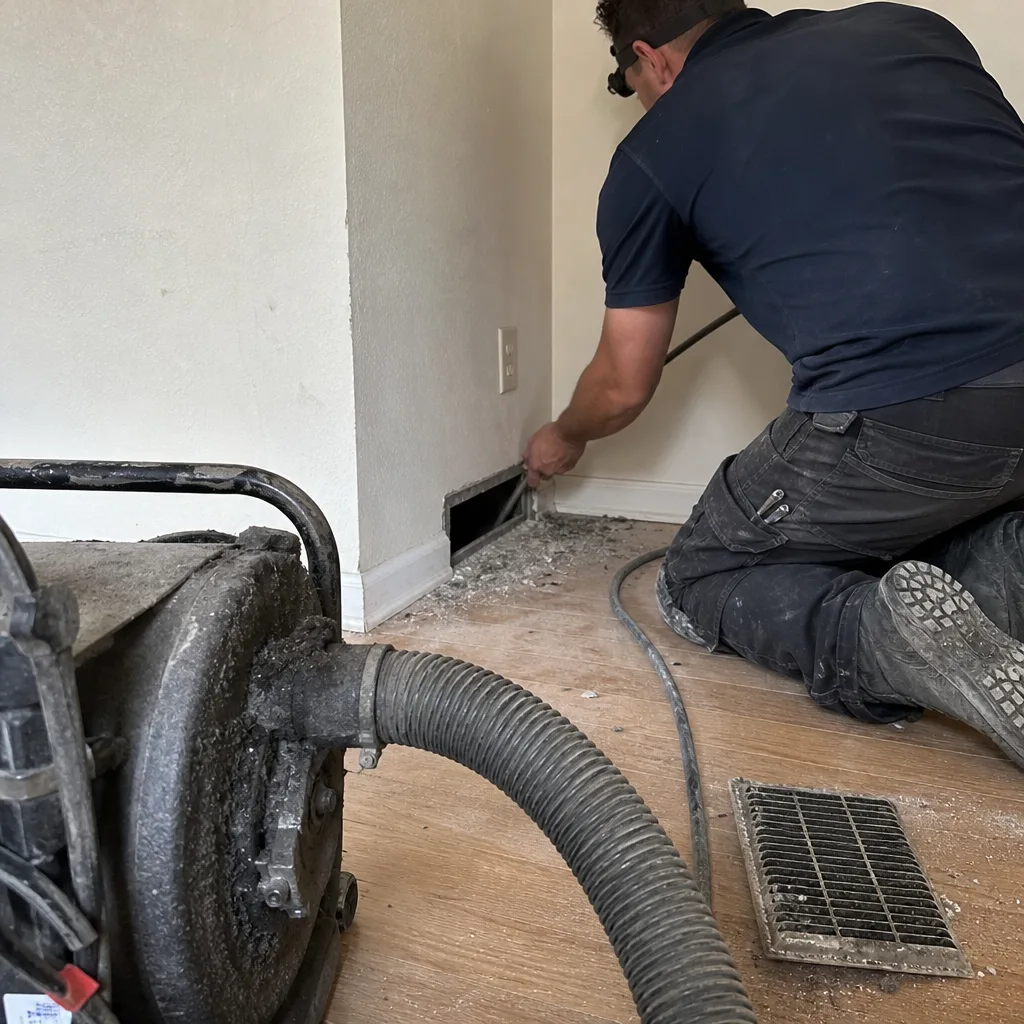 Before
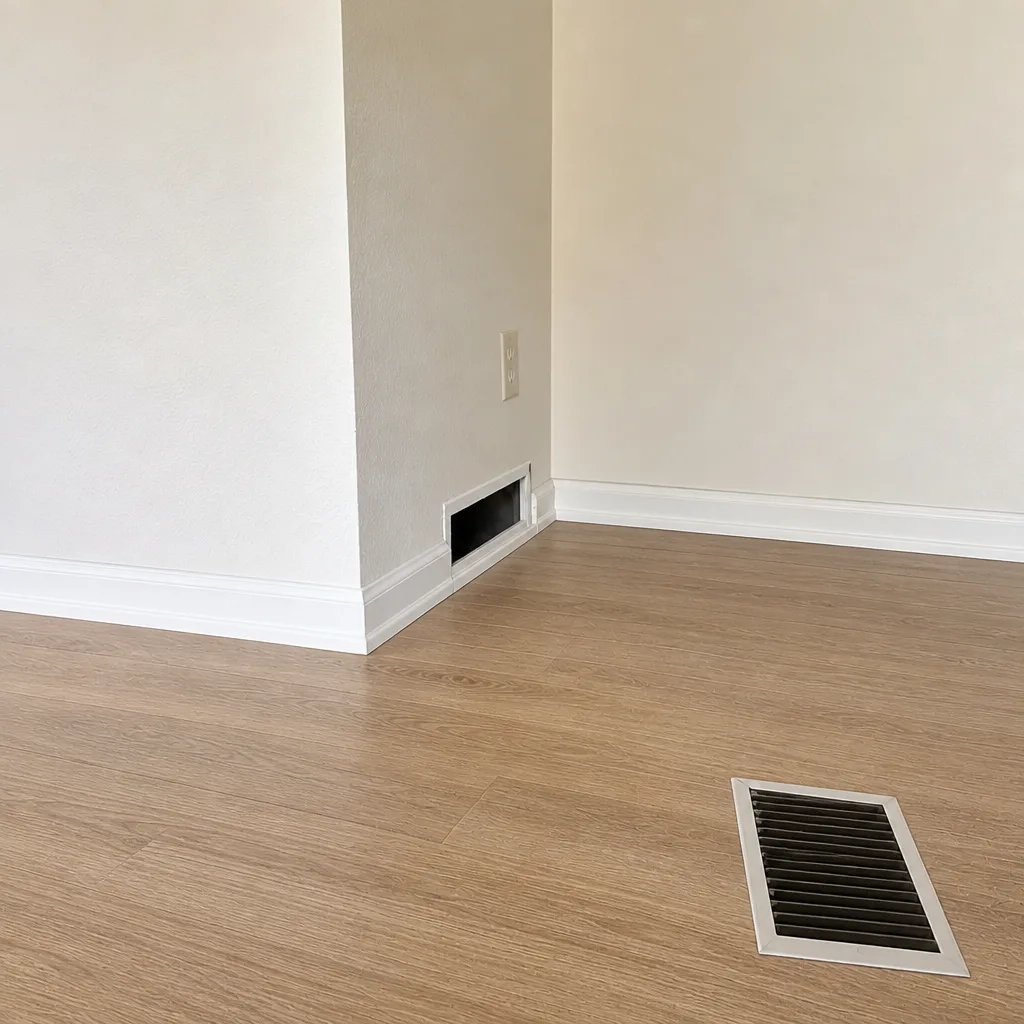 After
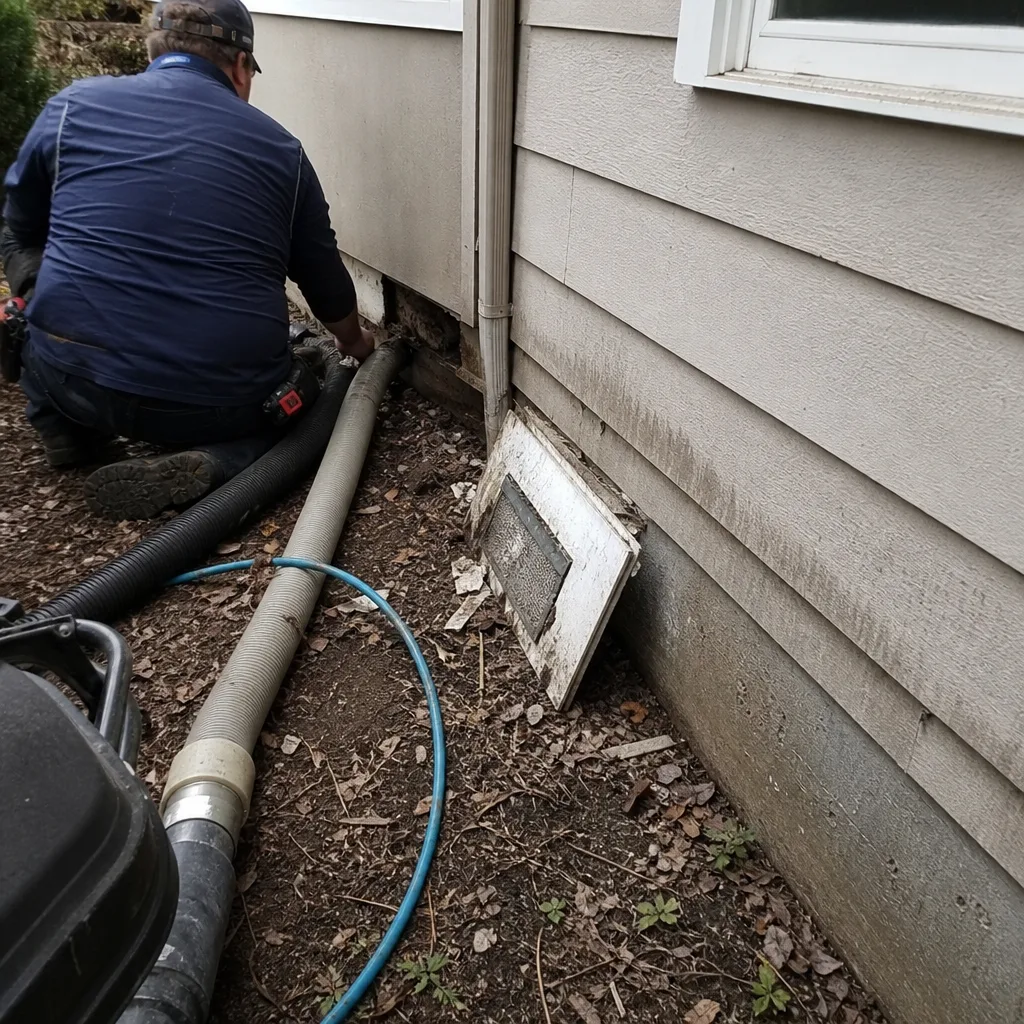 Before
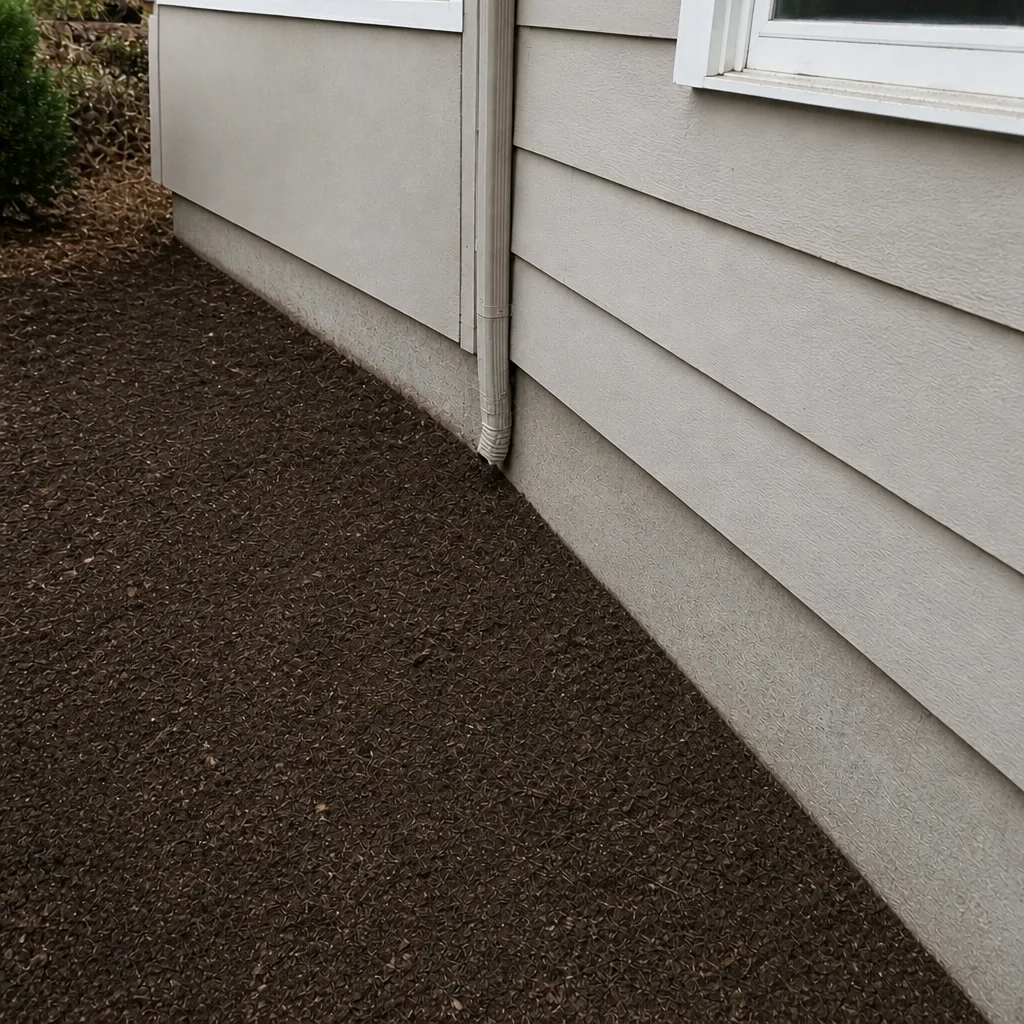 After
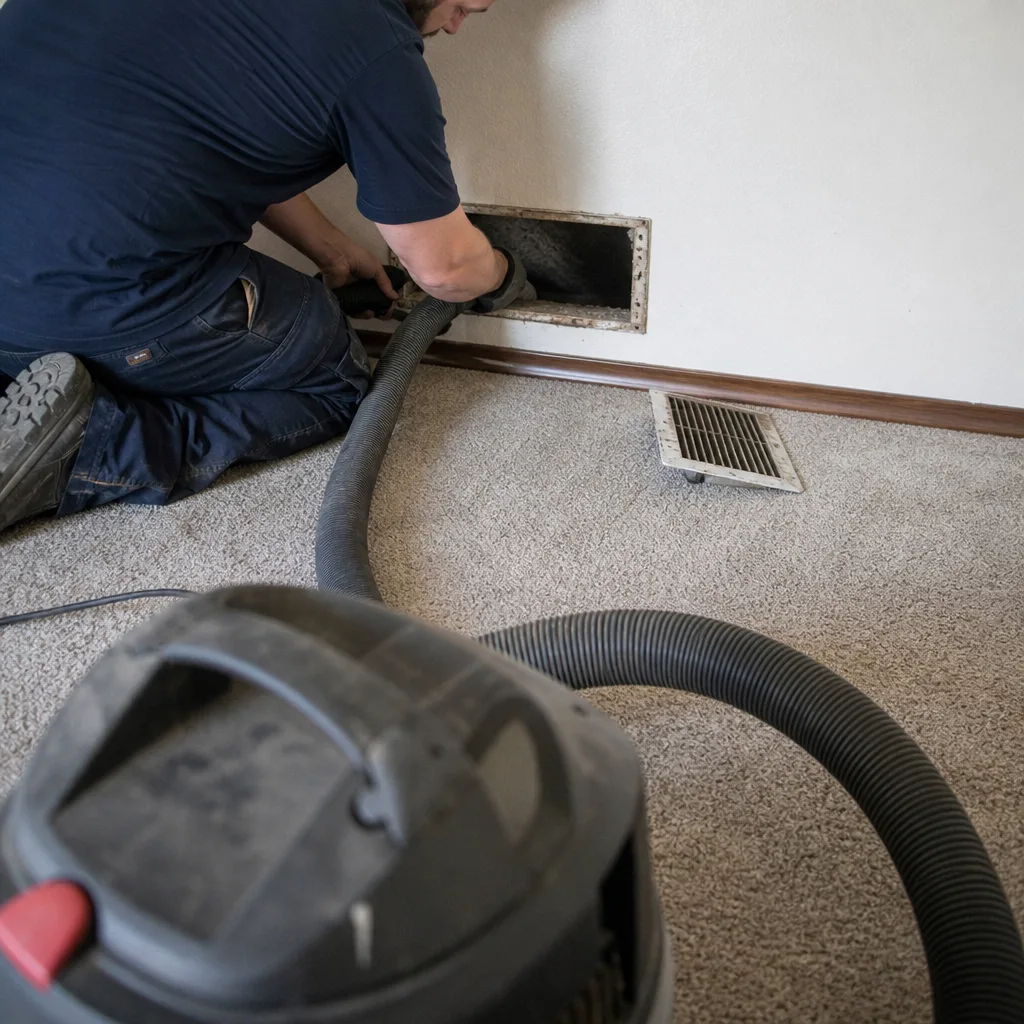 Before
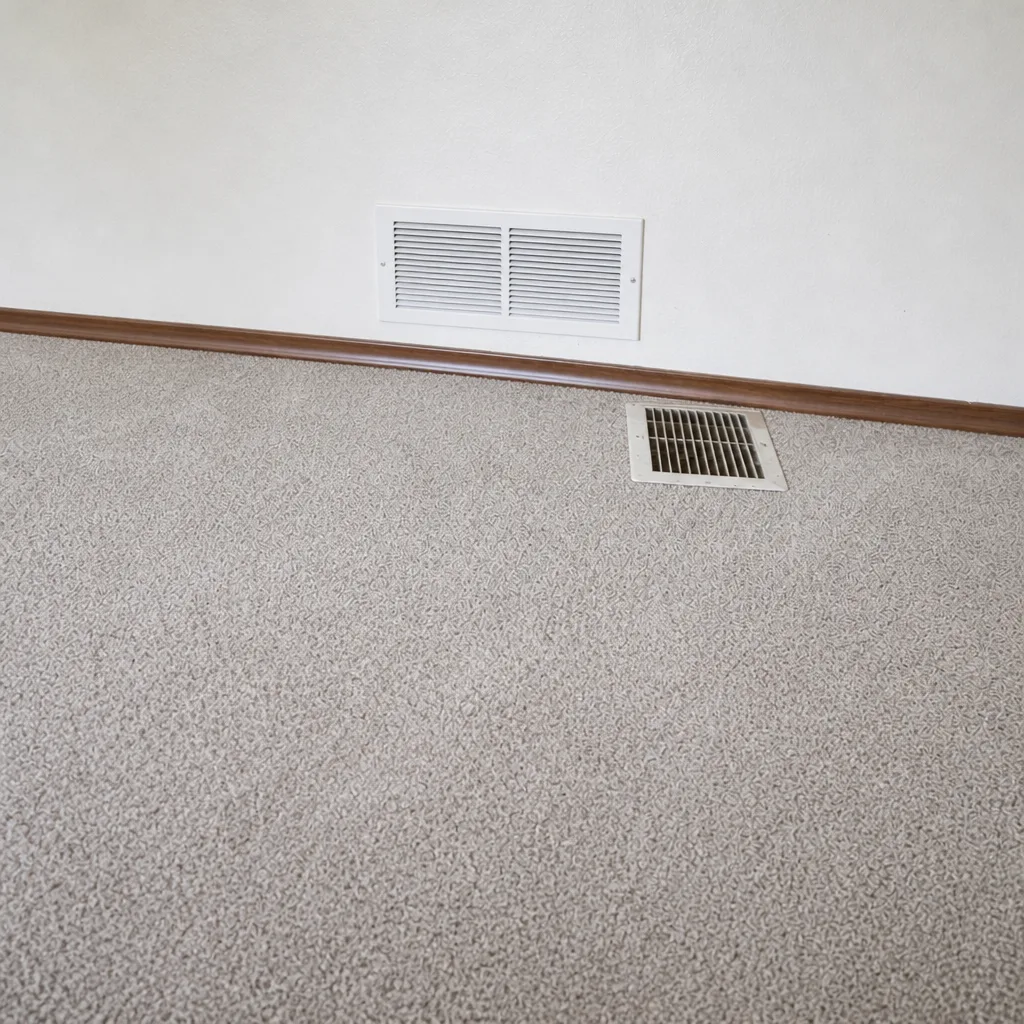 After
When to Call a Professional
Call a professional when any of the following applies: you’ve never had the ducts cleaned and don’t know the history; someone in your household has asthma or allergies that seasonally worsen; you’ve had a renovation, rodent activity, water intrusion, or an HVAC replacement; you see visible dust blowing from the registers; you smell a musty or smoky odor when the system runs; or it’s been more than five years since the last cleaning. If you’re in South Hill and want to confirm your interval before you schedule, South Hill Air Duct Cleaning Pros offers free estimates in South Hill – call (833) 772-9858. We answer 24/7. Fast dispatch from 7am to 7pm, Sunday through Friday.
Frequently Asked Questions
Most South Hill homes should schedule professional duct cleaning every three to five years, and every two to three years if the household has pets, allergy or asthma sufferers, wood heat, or crawl-space ductwork. Smoke-heavy wildfire years and post-event situations like renovations or rodent activity are reasons to clean sooner regardless of the calendar. Call (833) 772-9858 for an exact quote based on your home – estimates are free.
Yes. Heavy smoke seasons deposit fine ash and soot inside returns and on the blower wheel, and the residue doesn’t clear with a filter change alone. If your home smelled of smoke through the heating season or your filter loaded faster than usual, an inspection after the season will tell you whether the ducts need cleaning. Call (833) 772-9858 to schedule an inspection – estimates are free.
No. A shop vac and brush will agitate debris rather than extract it, and it won’t contain what it dislodges, so some of the material goes back into your living space. Professional systems like Rotobrush and Nikro pull contamination out of the duct, and Abatement Technologies negative-air equipment contains it during the work. Call (833) 772-9858 to talk through what a professional clean involves – estimates are free.
Cheap quotes usually reflect a quick pass with minimal equipment and no real containment, which leaves most of the contamination in place. The reliable approach is to compare scope, equipment, and what’s included – cleaning, inspection, before-and-after photos, and repair options if problems are found. We work to one flat price per system, agreed before work starts. Call (833) 772-9858 for a written estimate – estimates are free.
Ask for before-and-after photos of your own ducts and keep them. A contractor who can show you what your system looked like before and after work is the best evidence you’ll get. We photograph the ducts on every job, and those photos go into your maintenance log. Call (833) 772-9858 with any questions about the process – estimates are free.
It can help both, provided the work is documented. Manufacturers consider maintenance records when evaluating warranty claims, and home inspectors and buyers ask for cleaning history during a sale. A written log with dates, filter changes, cleaning photos, and repairs gives you a clear record. Call (833) 772-9858 if you want a system inspection to start a log – estimates are free.
Air Quality Beyond a Single Cleaning
The schedule above is the backbone of indoor air quality, but some homes want more than a clean system. Households with asthma, allergy, or immune concerns often pair cleaning with sanitizing and filtration. We install and service Honeywell and Aprilaire products, which bridge the gap between a one-time cleaning and ongoing air quality improvement. When we open a system and find leaky joints, we can repair and seal them in the same visit rather than handing the work off to a separate contractor. If you’re scheduling HVAC cleaning for the season, it’s worth mentioning any specific air quality concerns up front so the scope matches what your household actually needs.
South Hill homes sit in a specific combination of conditions: a damp heating season, heavy pollen in spring, wildfire smoke in summer, and a housing stock that includes a lot of crawl-space ductwork. A schedule built around those facts will serve you better than a generic five-year rule. Our technicians have up to 14 years of experience with duct and HVAC systems, and we show our work with before-and-after photos of your own duct runs.
The Bottom Line
Treat three to five years as a baseline only, then adjust it upward for pets, allergies, wood heat, crawl-space ducts, and smoke-heavy years. Handle filters and register checks yourself between professional visits; leave duct interiors and HVAC components to a contractor with extraction and containment equipment. Record everything – dates, filter ratings, photos, repairs – because that log protects you at warranty time and at sale time. And when in doubt, get an inspection before you schedule a cleaning. The system will tell you what it needs. South Hill Air Duct Cleaning Pros works on ducts and HVAC exclusively, so the advice you get is about your system, not a side service.
Ready to set your schedule? Call (833) 772-9858 for a free estimate. We answer 24/7. Fast dispatch from 7am to 7pm, Sunday through Friday.
Written by the team at South Hill Air Duct Cleaning Pros.