
Last updated November 25, 2026
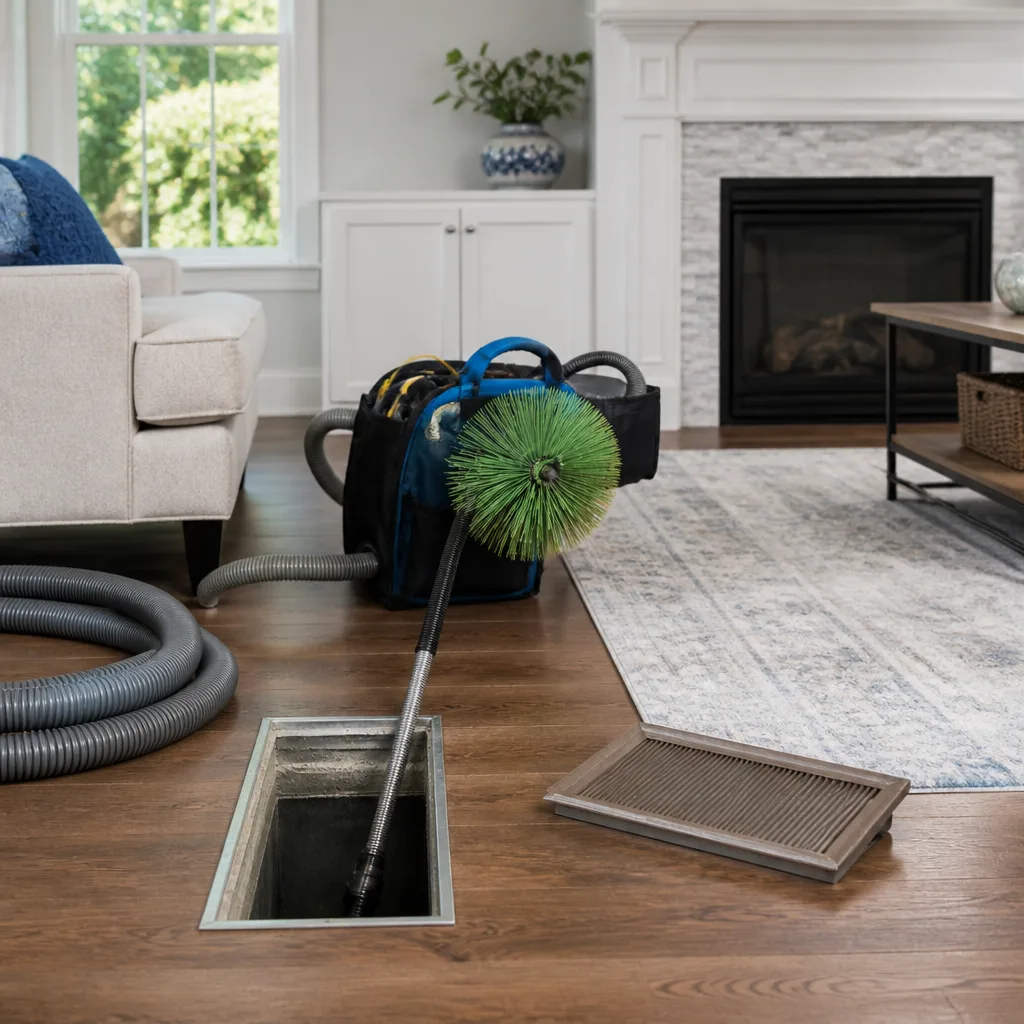 Whole-home duct cleaning
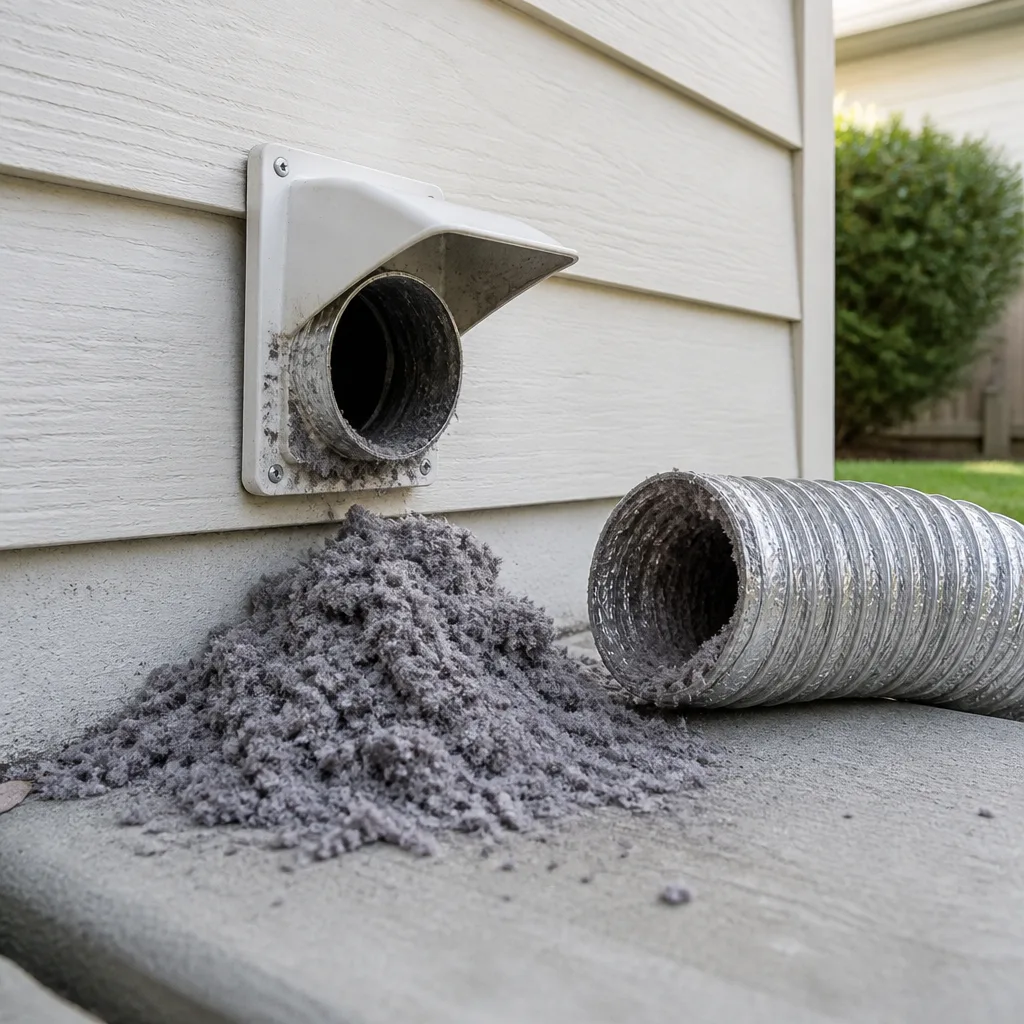 Dryer vent cleaning
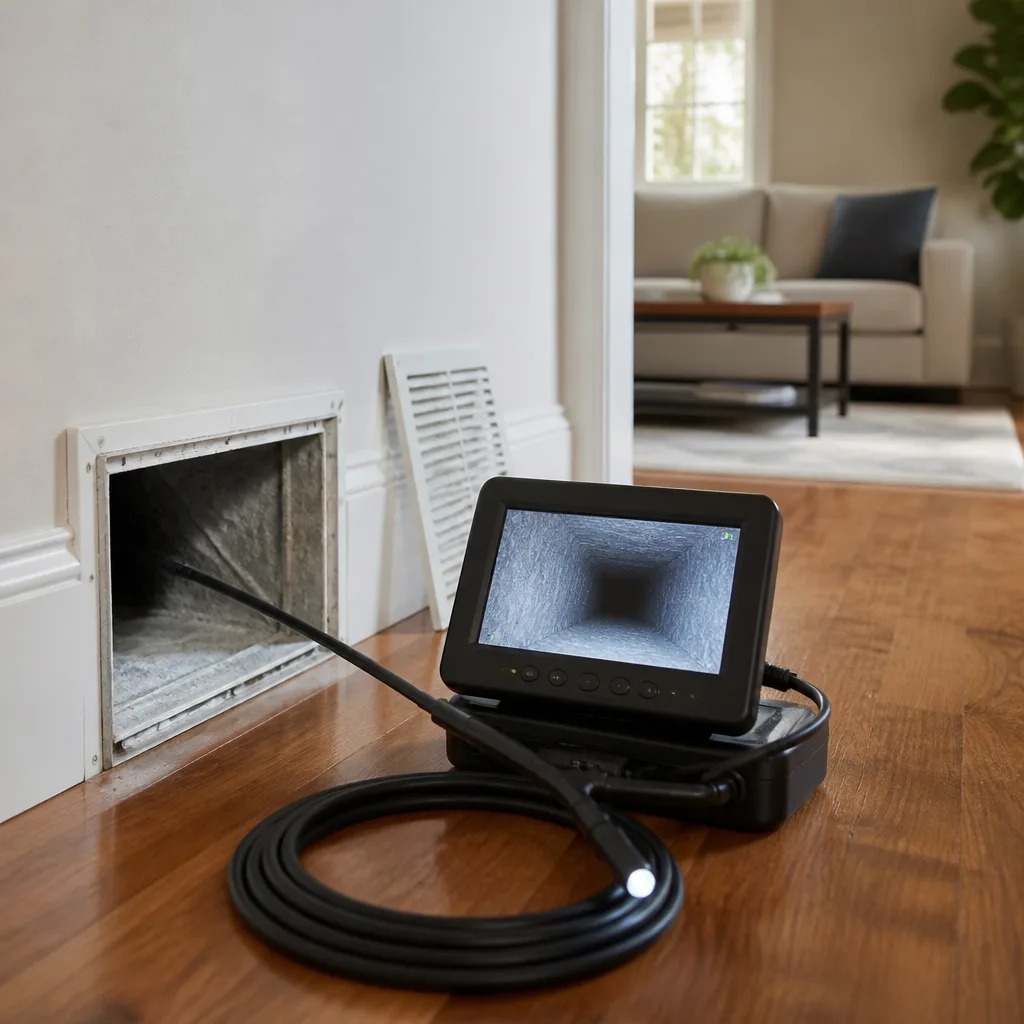 Camera inspection
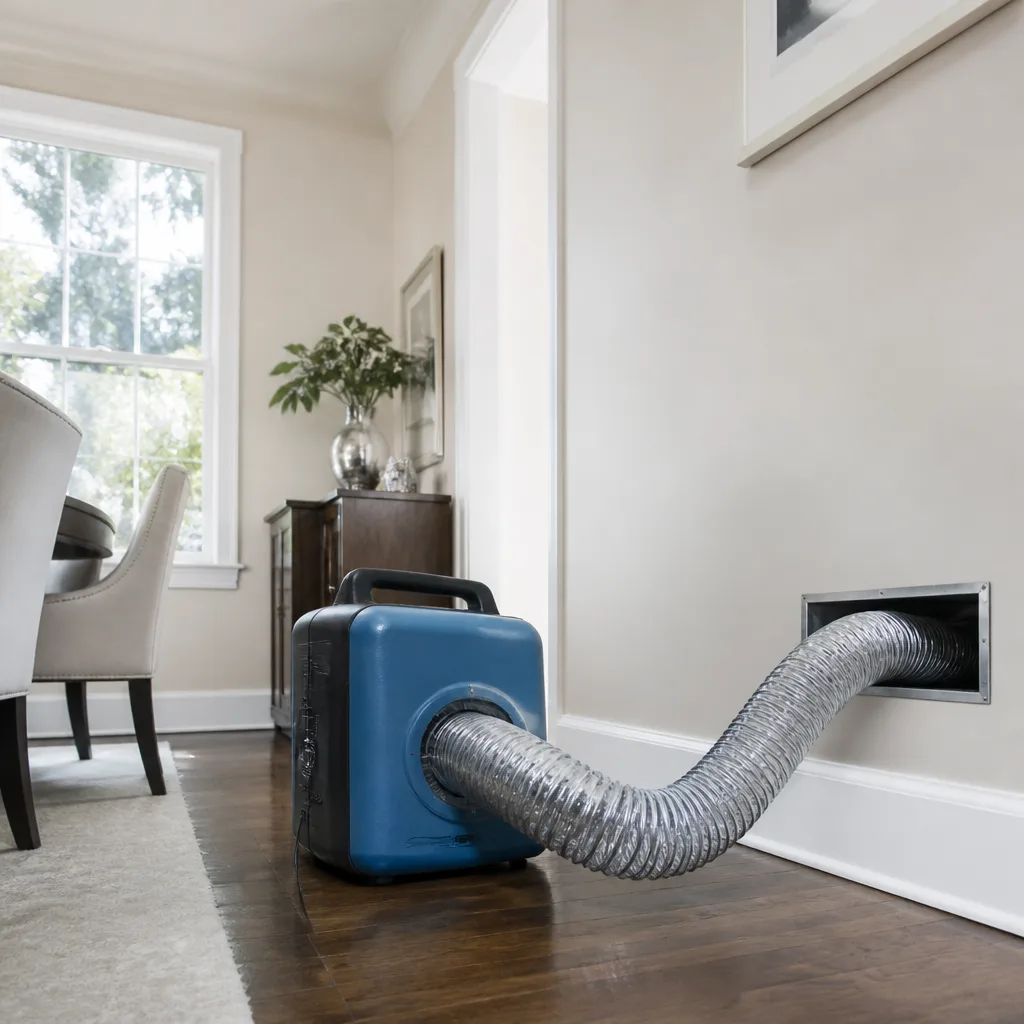 Sanitizing & deodorizing
Whole-system duct and dryer vent check with before-and-after photos - you see exactly what came out of your vents
That "$99 whole-house special" is a bait ad - the real number appears once they are in your hallway, or the "clean" is a shop-vac at the register. We photograph the inside of your ducts before and after instead.
The Complete Guide to Air Duct Cleaning in South Hill
Most duct cleaning guides are written as if the house sits in a neutral climate with neutral dust. That’s not how it works here. South Hill sits in a rain shadow that keeps moisture levels elevated for eight months of the year, and that single fact changes what accumulates inside a flex duct system, how fast it gets there, and what a legitimate cleaning job actually has to remove. A checklist written for Phoenix will miss what Western Washington homes collect. This guide walks through the housing stock, the contaminant layers, the equipment that genuinely extracts debris, and how to verify the work was done. We mention South Hill throughout because the local geography is the point, not a footnote.
Quick Answer
Professional air duct cleaning in South Hill means removing accumulated dust, biological growth, and construction debris from the entire duct system using negative-pressure containment and commercial extraction equipment, not just vacuuming visible registers. Homes in this climate typically need cleaning every three to five years depending on age, pets, and whether the ductwork has leaks. The only objective proof of a real job is before-and-after video inspection footage of your own ducts.
Styles & brands we work with
- Whole-home duct cleaning
- Dryer vent cleaning
- Camera inspection
- Sanitizing & deodorizing
Table of Contents
- Why South Hill’s Climate Changes What’s Inside Your Ducts
- What South Hill’s Housing Stock Tells You About Contaminants
- Source Removal vs. Blow-and-Go: What Actually Works
- What a Legitimate Cleaning Scope Includes
- The Equipment Behind a Real Duct Cleaning
- How to Verify the Job Was Actually Done
- How Often Should You Clean Your Ducts in South Hill?
- What Air Duct Cleaning Costs in South Hill
Why South Hill’s Climate Changes What’s Inside Your Ducts
Mild, damp winters are the defining condition of ductwork in South Hill. The region sits in a rain shadow, which keeps outdoor humidity moderate to high across roughly eight months of the year. Inside a heated home, that moisture cycles through the HVAC system with every air exchange. In flex duct runs, especially those routed through unconditioned crawlspaces or attics, the interior surface stays just cool enough for condensation to form. Where moisture persists and dust provides a food source, biological growth follows.
In arid climates, the main contaminant is dry dust and the cleaning conversation revolves around volume. Here, it’s about moisture and biology. That difference matters for three reasons:
- Flex duct is more vulnerable than rigid metal. The corrugated interior traps fine particles and holds surface moisture longer. A run that would stay dry in a desert climate can support visible growth here.
- The heating season concentrates exposure. Windows close, circulation runs continuously, and whatever is living in the ductwork gets distributed through every room for months at a time.
- Allergy and asthma symptoms can track the season. Occupants who feel worse indoors during the wet months are often responding to what the HVAC system is moving, not what’s outside.
What this means practically: a cleaning method built for dry dust won’t address the microbial layer that forms in damp climates. Aggressive brushing without containment can aerosolize spores into living space. The cleaning has to combine mechanical agitation with negative-pressure capture, which is why professional equipment matters more here than in drier regions. If you want to understand the service scope in depth, our air duct cleaning page covers it in detail.
What South Hill’s Housing Stock Tells You About Contaminants
South Hill’s housing stock grew in distinct waves, and each wave left a different contaminant profile in the ductwork. Understanding your home’s era tells you what to expect before anyone opens a register.
Homes built during the 1990s subdivision boom
These homes share a common signature: builder-grade flex duct runs that were installed fast, often with loose joints, minimal sealing at the plenum, and in some cases construction debris left inside the system. Drywall dust, sawdust, and offcuts from framing can still be sitting in trunk lines from the original build. Twenty-five to thirty years of operation on top of that adds a thick, settled layer, particularly at the farthest runs where airflow is weakest. Poorly sealed joints also mean the system pulls air from crawlspaces and wall cavities instead of from the return grille.
Homes built in the 2000s
Construction standards tightened, so you’ll find better-sealed ductwork, more rigid metal trunk sections, and fewer gross installation errors. The trade-off is tighter building envelopes. A house that can’t leak air as easily holds moisture longer. Ventilation becomes more dependent on the HVAC system itself, and dust and biological growth in the ducts recirculate more completely. The contamination is often less voluminous but more concentrated.
Older homes and remodels
Pre-boom homes in the South Hill area have frequently been retrofitted, added onto, or had ductwork rerouted. Mixed duct types, disconnected runs, and unsealed penetrations show up. A remodel that left dust and debris in the system is common, and no cleaning is complete without checking for it.
Wherever your home sits in this timeline, the practical point is the same: the contaminant layers you’re dealing with were determined by how and when the house was built. A cleaning that ignores that context is a cleaning that misses something.
Source Removal vs. Blow-and-Go: What Actually Works
Two methods dominate the industry, and only one removes contamination. The other moves it around.
The blow-and-go approach
This method uses a shop-vac or consumer-grade vacuum connected to a register while a technician agitates the ductwork with a brush or compressed air. The problem is airflow. Consumer equipment doesn’t generate enough static pressure to pull trapped debris from the far end of a run, and because the vacuum is open to the room, fine particles escape into living space. The ducts may look cleaner at the register; the settled layer three feet in stays put, and the airborne spores end up on your furniture. A jet of compressed air that pushes debris toward the living room is the opposite of extraction.
Negative-pressure source removal
The professional standard works in the opposite direction. A high-capacity vacuum or negative-air machine is connected to the system, pulling the entire duct run into negative pressure. As a technician agitates the interior surface with rotary brushes and air whips, debris is captured before it can escape into the room. The right sequence is:
- Inspect first. A video camera run through the ductwork maps the contamination before anything is disturbed, so the technician knows what they’re dealing with and has a reference point.
- Isolate the system. Registers are covered, the air handler is protected, and the negative-air machine establishes containment.
- Agitate every branch. Rotary brushes and air whips work each run from the trunk to the register, loosening the adhered layer.
- Extract with sustained negative pressure. Captured debris travels to the collection unit, not into the room.
- Inspect again. The camera returns to the same points for a before-and-after comparison.
The difference between these two approaches is the difference between cleaning and redistributing. Ask any company you’re considering which method they use and whether they can show footage. If the answer is vague, that’s your answer.
What a Legitimate Cleaning Scope Includes
A duct cleaning that stops at the visible registers isn’t a duct cleaning. The full system has more surfaces than most homeowners ever see, and the contamination doesn’t stay in the easy-to-reach spots. A complete scope covers:
- The main trunk lines. The larger duct runs that distribute air from the air handler throughout the house. This is where the largest volume of settled debris collects.
- Every branch run. The smaller ducts that feed individual registers. These are usually the most contaminated, because airflow is slowest at the ends.
- Supply and return registers. The grilles are removed, cleaned individually, and reinstalled. Grilles accumulate a visible film that tells you what the ducts behind them contain.
- The plenum. The transition chamber where the air handler connects to the ductwork. Often heavily contaminated and routinely skipped by lower-quality cleanings.
- The air handler compartment. The blower and interior housing. Debris here recirculates continuously, so cleaning the ducts without cleaning the air handler leaves the source in place.
- Coil inspection. A visual check of the evaporator coil, which tells you whether the system is running efficiently or whether a dirty coil is contributing to air quality problems.
The point of covering all six areas is that the contaminant layer doesn’t have boundaries. You can clean the trunk perfectly and leave a dirty plenum feeding debris back into it. A complete scope at a South Hill home means checking all of them, plus inspecting for leaks or disconnected runs that would let crawlspace air into the system. If the inspection finds damage, duct repair and sealing should be part of the same visit rather than a separate appointment months later. Our HVAC cleaning service covers the air handler and coil side of that picture.
The Equipment Behind a Real Duct Cleaning
Equipment separates a real cleaning from a cosmetic one. Three categories matter.
Extraction systems
Rotobrush and Nikro are the two professional-grade extraction systems used in serious duct cleaning operations, and using both together covers more ground than either alone. Rotobrush is a rotary brush system with an integrated high-capacity vacuum: the brush spins inside the duct while the vacuum pulls loosened debris into a collection chamber. Nikro adds high-static-pressure vacuum capacity for the trunk lines and the plenum, where the volume of debris is too heavy for a smaller unit to move efficiently. Together they provide a more thorough extraction than a single-method approach. Neither is a shop-vac with a longer hose.
Negative-air containment
Abatement Technologies negative-air equipment runs during the job to keep dislodged contaminants contained rather than recirculating through the house. In a damp climate where biological growth is more likely, this matters. When ducts are agitated, particles become airborne, and without containment they land on surfaces and in the air the occupants are breathing. Negative-pressure filtration captures particles at the source.
Air quality and sanitizing hardware
A single cleaning removes what’s there; it doesn’t stop new accumulation. Honeywell and Aprilaire product lines give a homeowner a way to bridge the gap between a one-time clean and sustained indoor air quality, typically through filtration or humidity control integrated with the existing HVAC system. A duct cleaning company that doesn’t know those products can’t make a useful recommendation about them. Alongside cleaning, a fully equipped operation should be able to handle duct repair and sealing, so the problems uncovered during cleaning get fixed in the same visit instead of being handed off.
Alongside duct cleaning, dryer vent cleaning handles a separate and often overlooked fire risk in South Hill homes. Lint buildup in a dryer vent is one of the leading causes of residential fires, and HVAC-focused companies frequently don’t touch it at all. A specialist that cleans both the HVAC ductwork and the dryer vent covers the two major airflow paths in the house.
How to Verify the Job Was Actually Done
Before-and-after video inspection footage of your own ducts is the only objective proof of cleaning quality. Everything else is description. This matters more in duct cleaning than in most trades because the work is hidden. You can’t see inside a duct run from the front door, and a skilled talker can describe a cleaning that never happened.
Here’s what to look for in verification:
- Pre-cleaning footage. The camera runs through representative sections of the ductwork before work starts. Note what’s visible: dust thickness, debris, any biological growth, loose joints.
- Consistent inspection points. The same locations get inspected before and after. Comparing different points proves nothing.
- Clear post-cleaning footage. Duct interiors should visibly be clean after the job. If the footage is vague, out of focus, or shows only a register from a distance, ask for a better view.
- Before-and-after photos of your system. Not stock images, not before-and-after photos of someone else’s ductwork. Your system, your footage.
- Disclosed findings. If the inspection found leaks, disconnected runs, or a dirty coil, that should be in the report rather than discovered later as an “unexpected” problem.
Ask any contractor before they start whether they’ll provide before-and-after footage. A company that intends to do a real cleaning will say yes immediately. A company that intends to do a cosmetically acceptable job will hedge.
How Often Should You Clean Your Ducts in South Hill?
Most South Hill homes need duct cleaning every three to five years, but the right interval depends on factors a generic schedule won’t capture. The local climate pushes toward the shorter end. The damp conditions that support biological growth also mean accumulation builds faster than in drier regions.
Factors that shift the answer:
- Pets in the house. Heavy-shedding pets load the return air and branch runs faster. Homes with multiple pets tend toward the shorter interval.
- Allergy or asthma in the household. For occupants whose symptoms track the wet season, the goal isn’t just clean-looking ducts; it’s reducing airborne exposure during the months when windows stay closed. The interval shortens accordingly.
- Recent remodeling or construction. Drywall dust, sawdust, and debris settle throughout the system. A post-renovation cleaning should happen regardless of the normal schedule.
- Housing age. A home from the 1990s subdivision wave may still be carrying original construction debris if it’s never been cleaned.
- Visible evidence. A film of dust on registers, dust settling on furniture shortly after cleaning, or a musty smell when the system runs are all signs the interval has passed.
- Duct condition. Leaky or disconnected runs pull air from unconditioned spaces, adding contamination faster. Sealing the system extends the interval between cleanings.
If you’ve never had your ducts cleaned and your home dates from either of South Hill’s major growth periods, assume the system is carrying more than a routine maintenance cycle would. The first cleaning establishes a baseline; then you have a real reference for the interval after that.
What Air Duct Cleaning Costs in South Hill
Duct cleaning is priced per system, not per vent. Per-vent pricing is where bait-and-switch starts: a low advertised figure that excludes trunk lines, the plenum, or the air handler, then expands once the technician is inside the home. The honest way to quote the work is a flat price for the whole system, agreed before anyone starts.
A full-system cleaning in the South Hill area is typically quoted based on the size and configuration of the duct system, the number of branch runs, whether the air handler and plenum are included, and whether the visit uncovers repair or sealing needs. Rather than guess at a number, the reliable answer is to ask for a written estimate that names exactly what’s covered and what isn’t. That estimate is what you hold the technician to.
Why some quotes come in dramatically lower than others:
- The quote excludes the plenum and air handler, which are where the heaviest contamination sits.
- The method is blow-and-go with consumer equipment, not source removal.
- No before-and-after footage is provided, so you have no proof of what was done.
- Per-vent pricing inflates the total once the job is underway.
The other half of the value question is repairing what the cleaning uncovers. If the inspection finds disconnected runs or poorly sealed joints, sealing them in the same visit extends the life of the cleaning and reduces how fast the system recontaminates. A quote that includes repair in the same appointment is often better value than dozens of separate service calls.
Common Mistakes to Avoid
- Accepting a quote that prices per vent. A per-vent price typically excludes trunk lines and the plenum, which is where the real contamination lives. The final bill grows once work begins. Insist on a flat price for the whole system, in writing, before anyone starts.
- Trusting a cleaning without video inspection. If the company can’t produce before-and-after footage of your own ducts, you have no way to know what happened because the work is hidden from view. Footage is the only real proof.
- Hiring a company that also cleans carpets, tile, upholstery, and gutters. Duct cleaning requires equipment and technique that generalist home-service companies rarely have. A specialist doing duct and HVAC work has the extraction systems the job requires.
- Ignoring the plenum and air handler. Cleaning the trunk and skipping the plenum leaves a concentrated contamination source feeding debris back into the cleaned ductwork. The scope needs to cover the whole system, not just the easily accessible parts.
- Skipping the dryer vent. Lint in a dryer vent is one of the leading causes of residential fires, and HVAC-only companies often leave the dryer vent completely unaddressed. If the technician is cleaning the HVAC system and doesn’t offer dryer vent cleaning, that’s a gap.
- Cleaning without checking for leaks or disconnected runs. In a South Hill home with damp crawlspaces, leaking ductwork pulls moisture-laden air into the system. Cleaning and sealing need to happen together, not years apart.
- Believing a cleaning replaces indoor air quality work. A one-time clean removes what’s accumulated. If the goal is sustained air quality through a long wet season, filtration and humidity control from a line like Honeywell or Aprilaire likely belong in the conversation.
See the difference
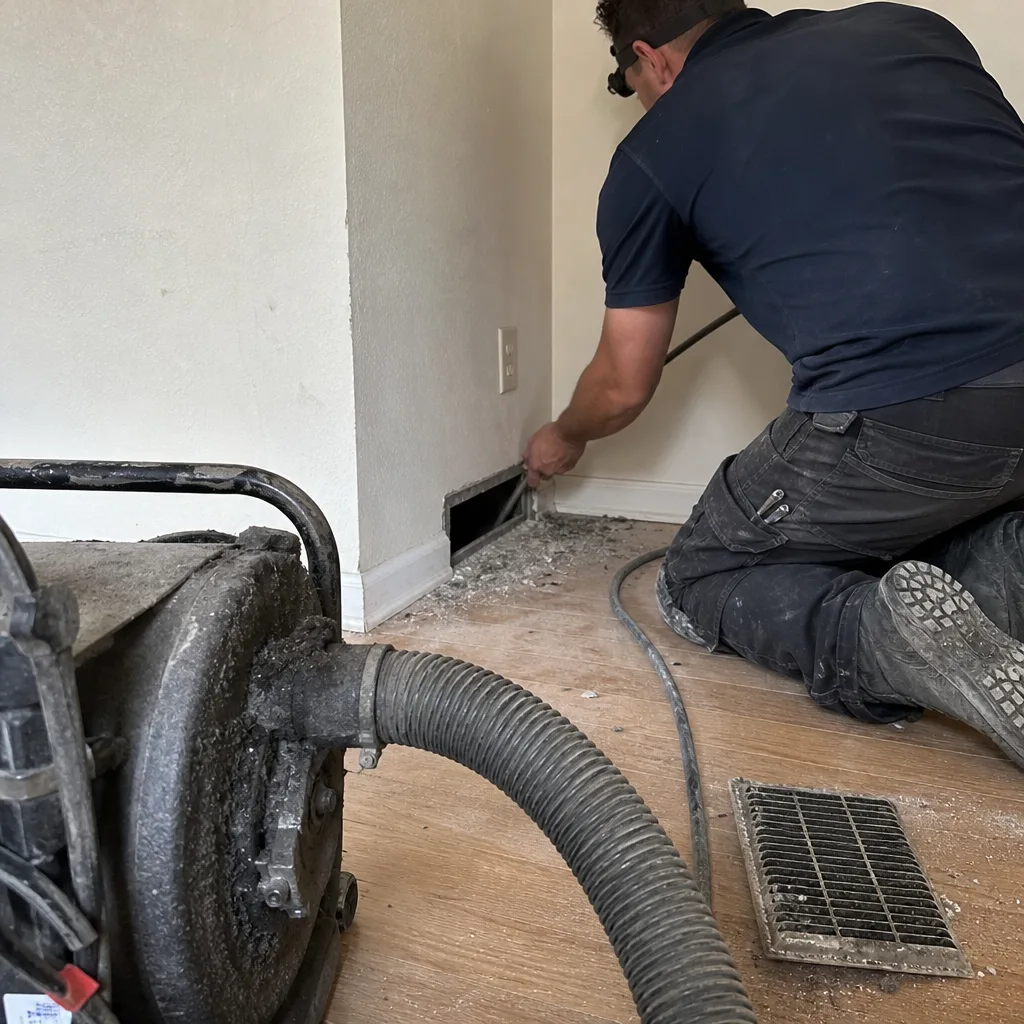 Before
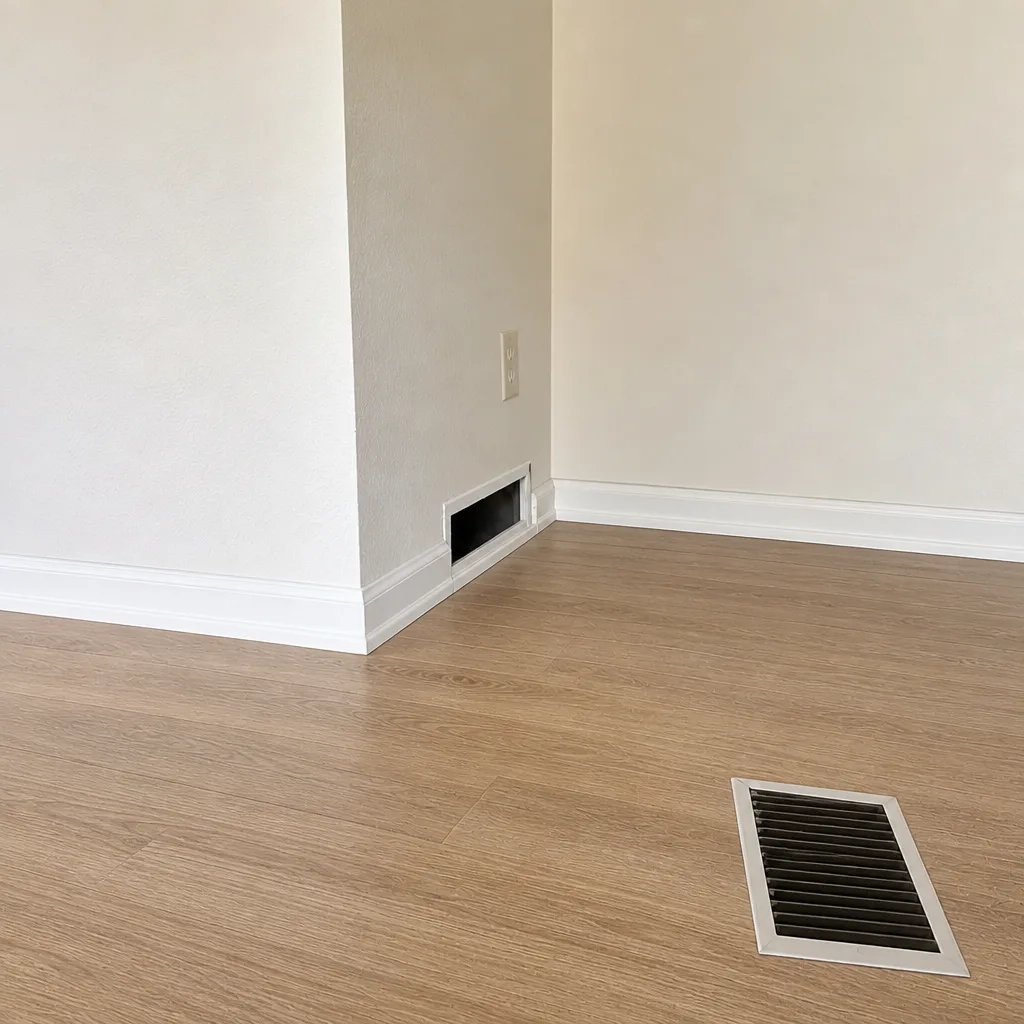 After
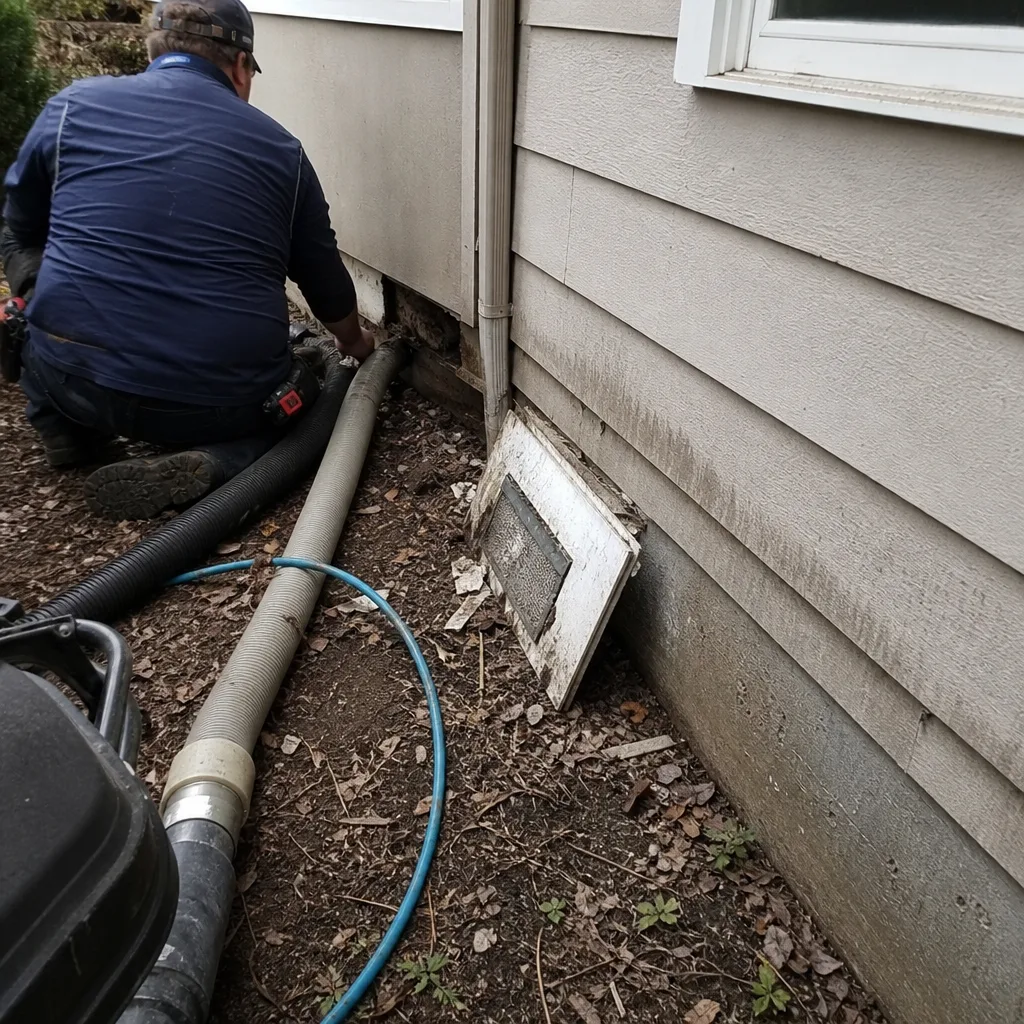 Before
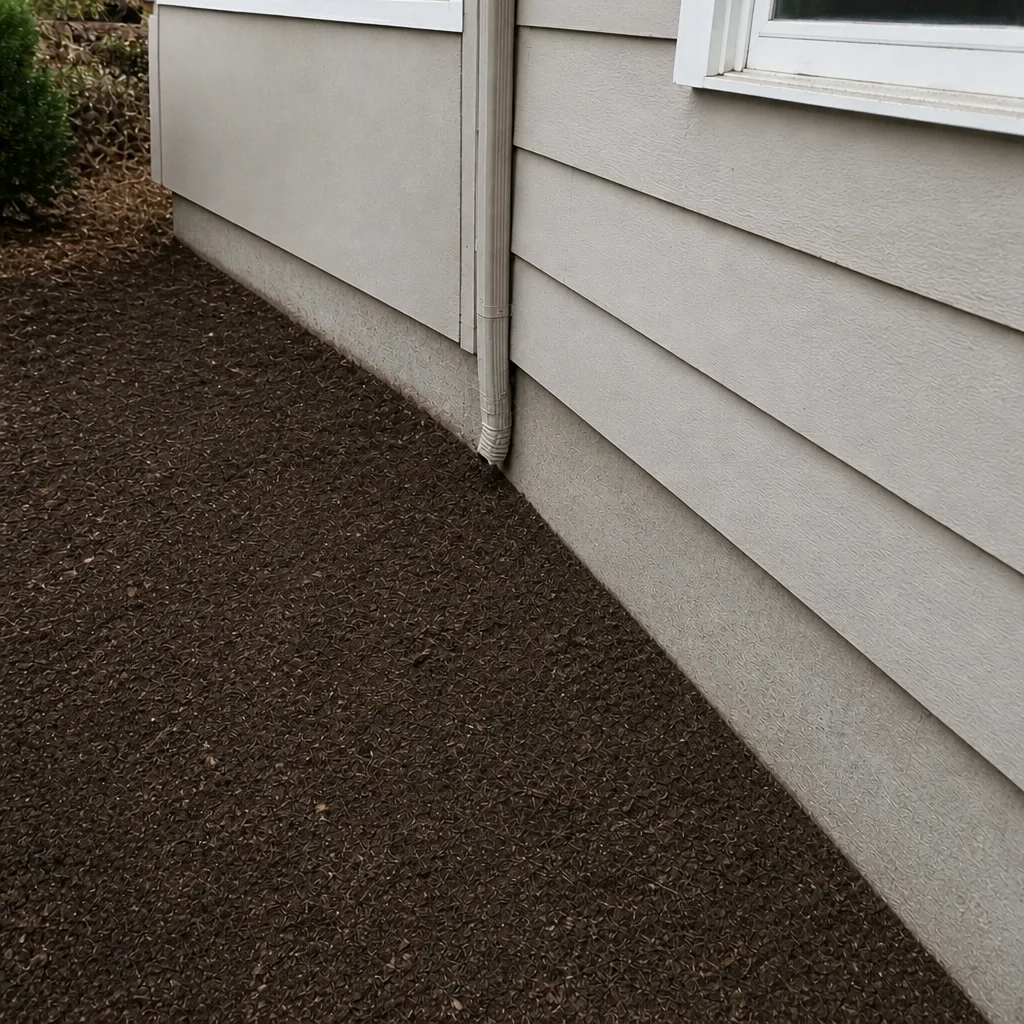 After
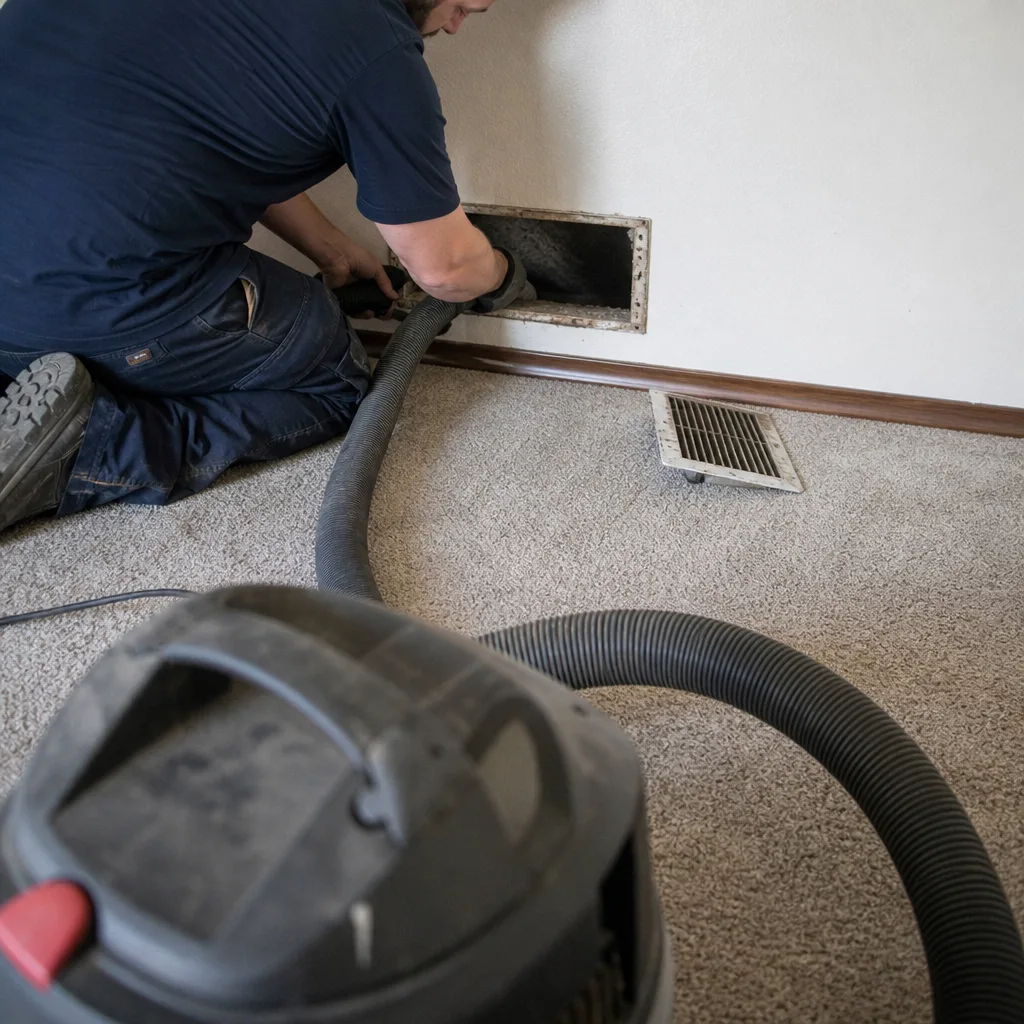 Before
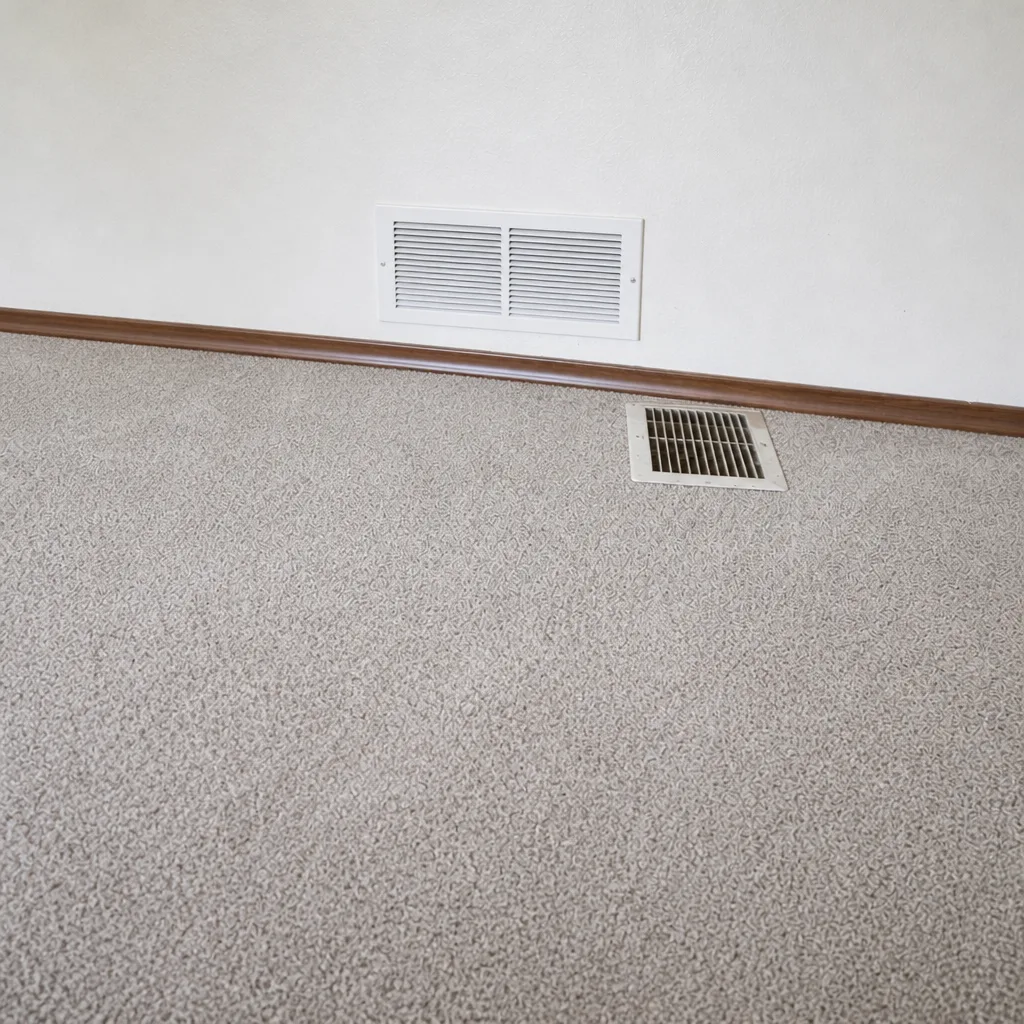 After
When to Call a Professional
Some signs you can read yourself, and some need equipment to confirm. Call a professional if you notice visible dust buildup on registers shortly after cleaning, a musty smell when the HVAC system starts, dust settling on furniture faster than usual, or allergy symptoms that track the wet season. Homes with young children, pets, or asthma in the household benefit from a baseline inspection even without obvious signs, particularly if the ductwork has never been professionally cleaned.
South Hill Air Duct Cleaning Pros offers free estimates in South Hill. Call (833) 772-9858. We answer 24/7. Fast dispatch from 7am to 7pm, Sunday through Friday. We’ll inspect the system, show you what’s inside, and quote a flat price for the whole job before any work begins.
Frequently Asked Questions
Air duct cleaning in South Hill is priced per system, not per vent, and the total depends on your duct configuration, the number of branch runs, whether the plenum and air handler are included, and any repair or sealing that comes up during inspection. Ask for a written estimate that names exactly what’s covered, and hold the technician to that number. Call (833) 772-9858 for an exact quote – estimates are free.
Because they’re often pricing a different job. A low quote frequently excludes the plenum, the air handler, and trunk lines, uses consumer-grade equipment instead of professional source-removal systems, and provides no video proof. A flat price for the whole system with before-and-after footage is the honest comparison, and a quote that’s dramatically cheaper is usually the one that leaves contamination behind. Call (833) 772-9858 to get a written scope you can compare against others.
Before-and-after video inspection footage of your own ducts is the only objective proof. Ask for it before the job starts. A company that intends to do a real cleaning will provide it as standard practice; one that hedges is telling you something. Call (833) 772-9858 – we show the footage because it’s the only honest way to close out a duct cleaning.
Every three to five years for most homes, but the damp climate in South Hill pushes toward the shorter end of that range. Homes with pets, allergy sufferers, recent renovations, or a 1990s-era build with original ductwork often need it sooner. Call (833) 772-9858 for an inspection that tells you where your specific system stands.
Yes, significantly. South Hill’s rain-shadow climate keeps moisture elevated for roughly eight months of the year, which makes biological growth in flex duct systems more likely than in drier regions. That means cleaning has to address microbial contamination and moisture-related buildup, not just dust volume, and negative-pressure containment is more essential here because agitation without containment can aerosolize spores into living space.
Yes. Dryer vent cleaning is a standalone service we offer alongside air duct cleaning, and it addresses one of the leading causes of residential fires. Many HVAC-focused companies leave the dryer vent entirely, which is a gap worth closing. Call (833) 772-9858 for an estimate that covers both.
The Bottom Line
What accumulates in a South Hill duct system is shaped by local conditions: damp winters, flex duct installed during the 1990s growth wave, and tighter envelopes in 2000s construction. Cleaning that ignores those specifics is cleaning that misses what’s actually there. Source removal with commercial equipment, negative-air containment, full system scope including the plenum and air handler, and before-and-after video inspection footage are the baseline of a real job. Anything less is a description of a cleaning, not a cleaning. Every sound decision on this page comes back to those four elements: the right method, the right equipment, the right scope, and the proof. Call (833) 772-9858 for a free estimate. We answer 24/7. Fast dispatch from 7am to 7pm, Sunday through Friday. For a full-service overview, see South Hill Air Duct Cleaning Pros.
Written by the team at South Hill Air Duct Cleaning Pros.