
Last updated November 25, 2026
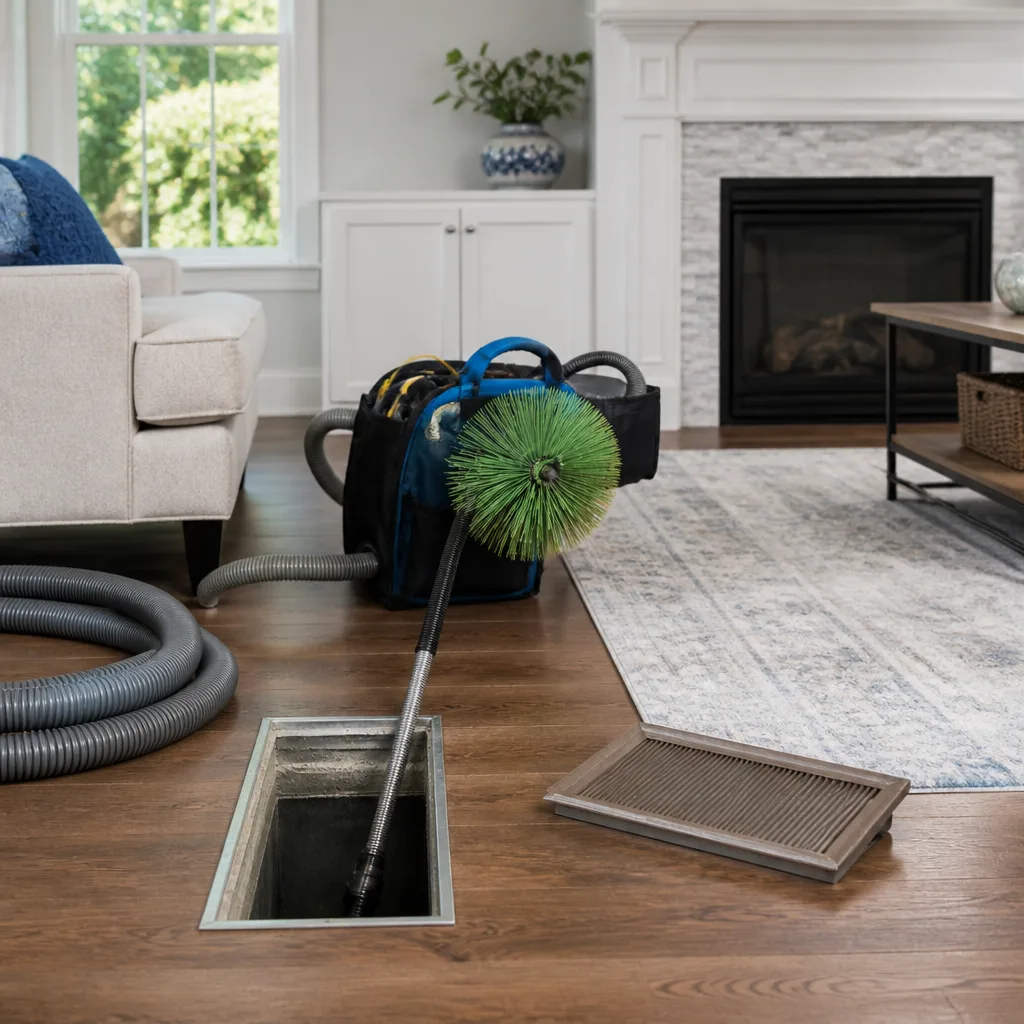 Whole-home duct cleaning
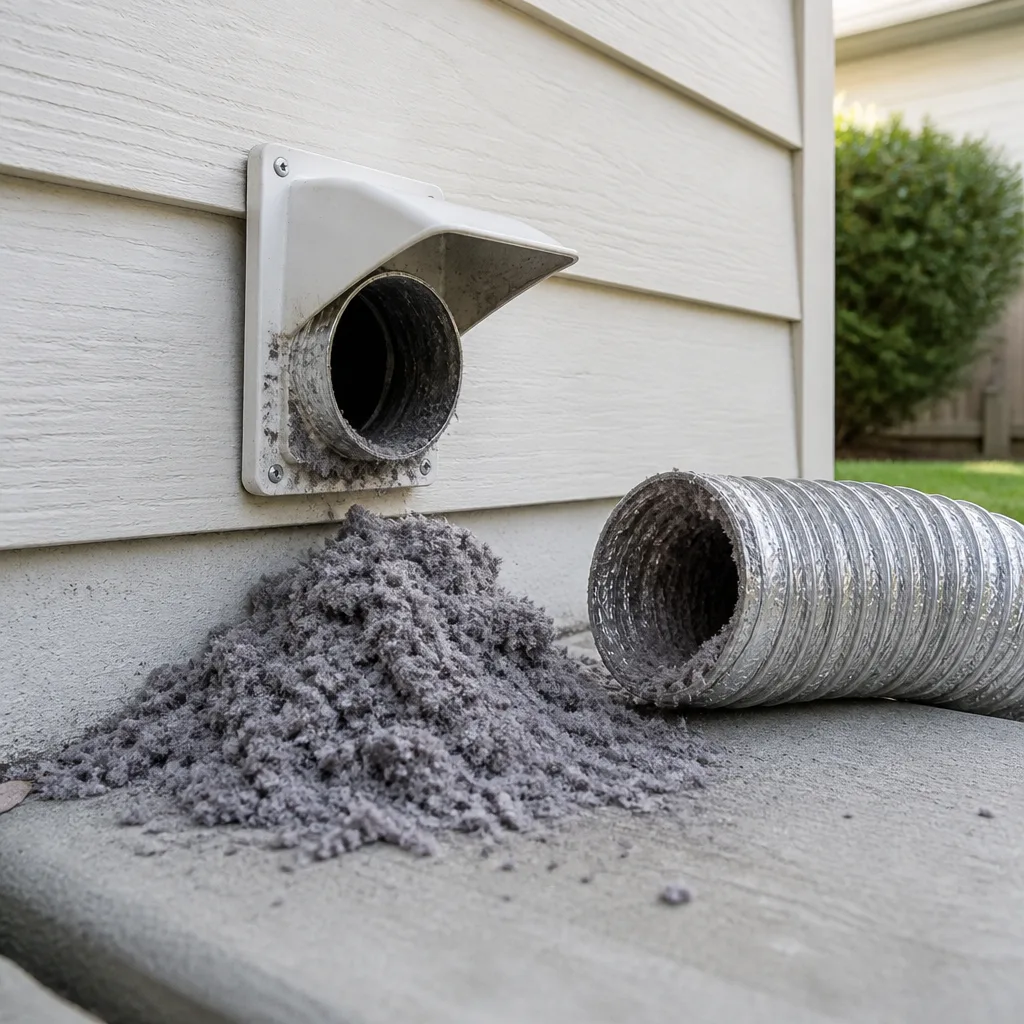 Dryer vent cleaning
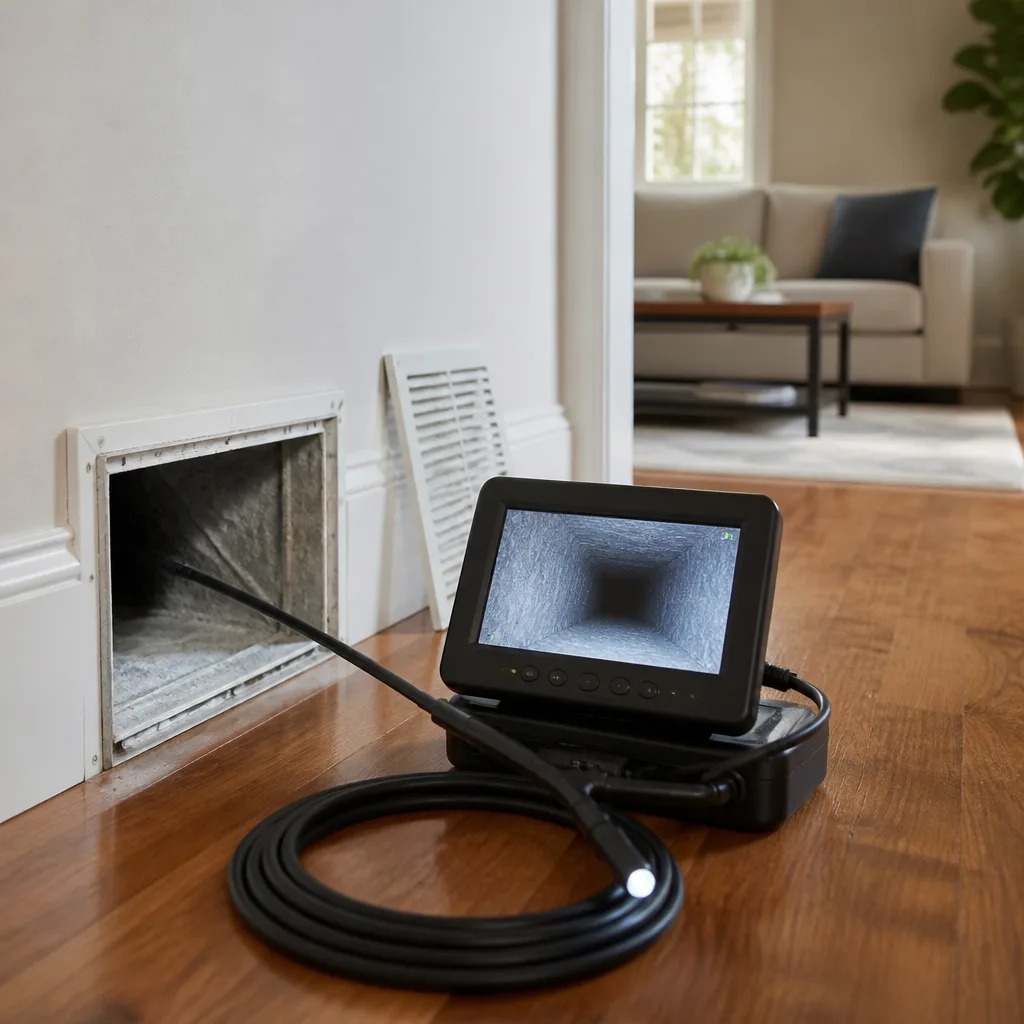 Camera inspection
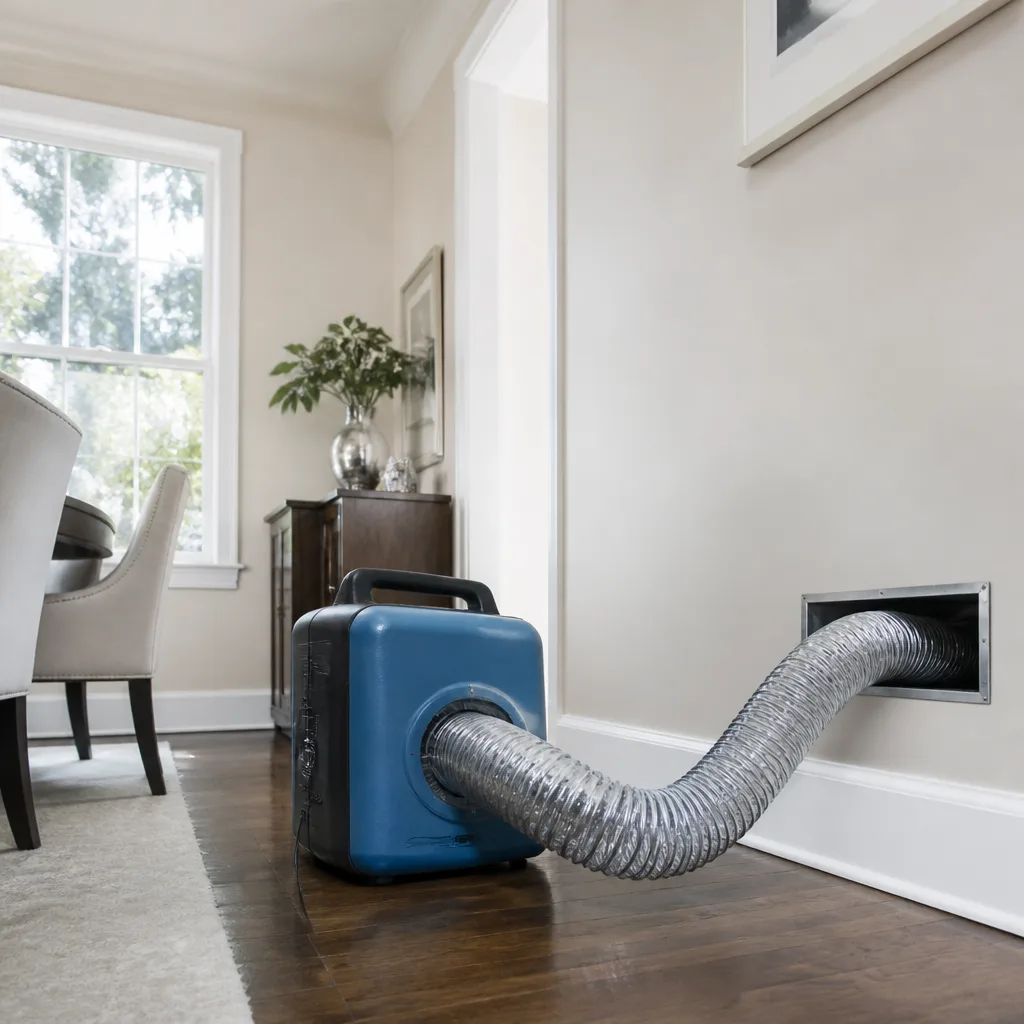 Sanitizing & deodorizing
Whole-system duct and dryer vent check with before-and-after photos - you see exactly what came out of your vents
That "$99 whole-house special" is a bait ad - the real number appears once they are in your hallway, or the "clean" is a shop-vac at the register. We photograph the inside of your ducts before and after instead.
Air Duct Cleaning Maintenance Checklist for South Hill Homeowners
Here’s the part that catches most homeowners off guard: the filter you change every 90 days can be hiding a real problem. If your ductwork leaks at the seams, dirty air slips past the filter entirely and gets pulled back into your living spaces. No filter swap fixes that, and it’s a condition most people never suspect until an HVAC technician finds it during a repair. What follows is a tiered maintenance checklist built around what you can realistically observe yourself in South Hill and what genuinely requires instrumentation. You’ll learn which tasks belong on your monthly list, which belong on a yearly professional inspection, and how to log baseline observations so you spot degradation before it becomes an expensive repair.
Quick Answer
A workable air duct maintenance checklist for South Hill homeowners has two tiers. The monthly tier is visual and free: check filter loading, feel airflow at each register, and watch for discoloration, debris texture, and airflow asymmetry between rooms. The annual tier needs a trained technician with duct pressure gauges, a coil inspection, joint integrity testing, and a before-and-after verification of the cleaning itself. Cleaning or repairing your ducts is a scheduled maintenance job, not an emergency purchase, so the right cadence is roughly every 2 to 3 years for most South Hill homes, sooner if pets, allergies, or recent renovation are part of the picture.
Styles & brands we work with
- Whole-home duct cleaning
- Dryer vent cleaning
- Camera inspection
- Sanitizing & deodorizing
Table of Contents
- How Air Ducts Actually Age in South Hill Homes
- The Monthly Homeowner Checklist: What You Can Inspect Without Tools
- Reading the Signals at Your Registers Without Instruments
- The Annual Professional Inspection: What Needs Instrumentation
- Logging Baseline Observations So You Detect Degradation
- How Filter MERV Rating Changes Your Cleaning Schedule
- The Post-Cleaning Checklist: Confirming Work Quality Before the Truck Leaves
- Dryer Vents, HVAC Coils, and the Systems That Get Overlooked
How Air Ducts Actually Age in South Hill Homes
Ductwork doesn’t fail all at once. It drifts. A small pressure loss at a joint, a bit of dust accumulating at a bend, a filter that’s loading faster than it used to because the return is pulling in unfiltered air. Each of those is quiet on its own. Together they compound into higher energy bills, colder rooms in winter, and a system working harder than it needs to for a payoff you never see on the thermostat.
South Hill sits in the Puyallup valley, and that matters for ducts in a specific way. Our wet autumn and winter push indoor humidity up. A well-sealed, clean duct system handles that fine. A leaky one pulls in moist air from crawlspaces and attics, and wet dust is a much better host for biological growth than dry dust. If your home was built in the 1980s or 1990s, its ductwork may also be original, which means seams and joints have had decades to loosen and efficient modern systems have been swapped in around them.
What we look for when we open a system up in South Hill falls into three buckets:
- Leakage – gaps at joints, disconnected runs, crushed flex duct in tight attic spaces, poorly sealed plenums. This is duct damage you can’t see without opening things up.
- Contamination buildup – settled dust, construction debris from past renovations, pet dander, and in some cases visible biological growth. The texture matters: dry powder is different from greasy film, and greasy film means something upstream needs attention.
- Bypass – the filter bypass we opened with. When air leaks around a filter or the filter frame is undersized, dust skips filtration entirely.
Knowing which of these you have matters because each one needs a different fix. Cleaning removes what’s settled. air duct cleaning removes what’s settled. Sealing stops the leak. Bypass needs a filter frame correction. A maintenance checklist that only measures “when was the last cleaning” misses all of this. We treat duct and HVAC cleaning as a specialist trade for exactly this reason, and the checklist below reflects how a technician actually evaluates a system rather than a generic cleaning reminder.
The Monthly Homeowner Checklist: What You Can Inspect Without Tools
You don’t need instruments for the monthly tier. You need five minutes, a flashlight, and somewhere to write things down. The point isn’t to diagnose; the point is to notice changes before they become expensive. Here’s the monthly list in order:
- Check the filter. Hold it up to a light source. If light barely passes through, it’s done. Note the color and texture of what’s trapped: gray powder is normal; sticky gray or black film means something upstream is off.
- Feel airflow at each register. Hand flat, palm toward the register, on the lowest fan setting. You’re not measuring cubic feet per minute; you’re finding the ones that feel noticeably weaker than the rest. Airflow asymmetry between rooms is the single most useful thing a homeowner can flag.
- Look at the grille. Discoloration patterns matter. A faint uniform gray is dust settling. Dark streaks near the edges point to a joint leak right behind the boot. Streaks that form a pattern like condensation lines can mean cooler-than-expected air near the grille and warrant a closer look.
- Wipe the fins. One swipe with a dry cloth. Dry dust is routine. Dark smudging that recurs quickly after cleaning is worth logging.
- Smell the return. A musty note at the return grille is a signal, not a nuisance. Note whether it’s persistent or only after the system cycles.
None of these require you to remove a register or pull anything apart. And none of them should tempt you into reaching past a grille with a vacuum attachment. Consumer vacuums agitate settled debris and, without containment at the source, they can release fine particles back into the room. Professional work uses dual Rotobrush and Nikro extraction with Abatement Technologies negative-air equipment on site, which is exactly the containment piece a Shop-Vac can’t replicate. Your job is observation and logging. The cleanup is ours.
Reading the Signals at Your Registers Without Instruments
Register observations are where a homeowner builds the most useful picture, and it’s worth slowing down on what the details mean. In South Hill, we’re often pulling a system open after years of the same pattern showing up at the grille.
Discoloration patterns. Faint, even gray is normal dust load at the grille and settles at similar rates across a home. Uneven staining, particularly on one side or along the perimeter of a grille, points to air moving with uneven velocity, which usually means a nearby joint or boot is loose. A pattern that looks streaked rather than spotty is worth flagging for the annual inspection.
Debris texture. Dry gray dust tells you the filter is doing its job and there’s normal settlement past it. Dark, sticky, or greasy film is different, and it usually means contamination upstream: cooking oils that migrated, humid air pulled through a leaky return, or biological growth at a coil. Debris that comes back noticeably within a week of wiping is another flag. It means the source is still producing.
Airflow asymmetry. Feel every register on the same floor at the same fan setting. Rooms that always ran a touch cooler or warmer aren’t the point here; you’re looking for a register that’s clearly and consistently weaker than the rest. That gap is your baseline to watch. A gap that widens over a couple of seasons is a leak or obstruction getting worse.
One more that’s easy to miss: condensation. If the metal collar around a register or the boot feels damp when the air conditioning runs, moisture is moving where it shouldn’t. In a Puyallup valley home, that damp boot is a contributor to the biological growth picture, and it belongs on your log and in the conversation with your technician.
The Annual Professional Inspection: What Needs Instrumentation
The homeowner checklist catches drift; the annual professional inspection catches damage. These are different jobs. Here’s what a proper annual evaluation of a South Hill duct and HVAC system should cover, and why each item needs instrumentation you don’t have at home:
- Duct pressure (static pressure). A trained technician measures pressure at the supply and return to see whether the system is working against resistance. High static pressure means the blower is straining, and the fix isn’t always cleaning; sometimes it’s sealing or returning a disconnected run to service.
- Coil condition. The evaporator coil sits inside your air handler and is where restricted airflow and biological growth concentrate. A visual inspection, camera inspection where needed, and a coil cleaning decision belong here.
- Joint integrity and sealing. Every joint, seam, and connection is a potential leak. A trained technician identifies loose connections, separated flex runs, and poorly sealed plenums, then addresses them. If duct repair or sealing is needed, our approach is to handle it in the same visit as the cleaning, not to hand it off.
- Filter bypass check. The filter needs to sit in an adequately sized frame with a proper seal. Bypass is the quiet leak we opened this guide with, and it’s a common finding in South Hill homes with older air handlers.
- Blower and cabinet inspection. Dust on the blower wheel hurts efficiency and is a sign the filter isn’t catching what’s coming through. Cabinet debris gets logged as part of the same audit.
- Register and boot condition. Boots come loose from the subfloor; duct board deteriorates. This is where most “why is that room always cold” answers live.
Once a year is the floor for this inspection, and a professional clean lands on roughly a 2 to 3 year cadence for most homes. Our technicians have up to 14 years of experience with HVAC systems specifically, which is why the inspection reads as an audit rather than a sales pitch. When we find damage, we fix it; the “cleaning plus repair plus sealing” scope is why the visit is one appointment, not three trucks and three invoices.
Logging Baseline Observations So You Detect Degradation
The single most underused tool in duct maintenance is a simple log. Without one, you’re reacting only to obvious failures: a room that’s suddenly freezing, a smell that shows up and won’t leave. With one, you catch drift while it’s still cheap to fix. Here’s what to record, and how often:
- Filter log. Date changed, filter type and MERV rating, and a note on what was trapped (light gray powder, dark film, etc.). This tells you whether your filter interval is right for your household.
- Airflow log, per room. Twice a year is fine. Hand feel at each register on the same fan setting, rated high, medium, or low relative to the others. Note any register that shifts from medium to low.
- Register observation log. Date wiped, description of what came off. A “returns within one week” note is a real signal.
- Odor notes. Return smell, presence of musty notes, and whether they’re persistent or only on startup.
- Professional visit record. Date, what was measured (static pressure readings, coil condition, joint findings), what was cleaned, and any recommendations deferred.
Two rules make the log useful. Write the date, not “Tuesday,” and write what you saw, not what you think it means. The interpretation is our job. If you’ve moved into a South Hill home and don’t have past records, start now. A single year of honest observations gives any future technician a much better picture than a hunch. If your log includes a dated professional cleaning visit, even better; a proper HVAC cleaning should come with before-and-after photos that document the state of the system at that moment.
How Filter MERV Rating Changes Your Cleaning Schedule
Higher filtration doesn’t eliminate the need for duct cleaning; it changes the contaminant profile. That’s the part most homeowners get backwards. The instinct is “I upgraded to a MERV 13, I can stretch the cleaning schedule out.” But the higher the MERV rating, the more you’re asking the system to catch, and if the system isn’t sealed, that extra filtration just moves the bypass problem. High-efficiency filters put more load on the blower, and if the filter frame doesn’t fit correctly, air will find its way around rather than through it.
What a MERV rating change actually does to your cleaning picture:
- MERV 8 to MERV 11: a good default for most South Hill homes. Catches a wider range of particles without straining the blower. Clean cadence stays at roughly 2 to 3 years for most households.
- MERV 13 and up: catches much finer particles, which is helpful for allergy households, but you need to confirm the blower is rated for it and the filter frame seals properly. Bypass becomes a bigger issue, and the return-side dust load concentrates at the filter itself, which is where you want it.
- Pleated heavy-media filters: longer service life but potentially higher static pressure. Watch for lower airflow at distant registers as a signal the filter is loading and the system is working harder.
Two household contexts change the schedule more than a MERV jump. Pets, and any renovation that’s been done in the last 18 months (drywall dust settles in the system for a long while). In those South Hill households, we’d recommend an inspection at the shorter end of the cadence and a cleaning decision based on what the audit finds. Beyond a filter upgrade, homeowners who want ongoing air quality improvement rather than a one-time clean can layer in Honeywell or Aprilaire air quality products, which is a different purchase from duct cleaning but part of the same picture.
The Post-Cleaning Checklist: Confirming Work Quality Before the Truck Leaves
This is the checklist nobody gives you, and it’s the one that separates a real professional visit from a cheap voucher. Before the technician leaves the driveway, you should be able to confirm each item below on the spot.
- Before-and-after photos of your own system. Not stock images, not someone else’s ducts. Yours. Interior of the main trunk, a couple of branch runs, and the worst register. Professional work includes these by default.
- Register airflow comparison. Feel the same registers you flagged in your monthly log. If a room felt weak before, it should feel better or the technician should have a reason why not (blocked run, duct damage, or a closed damper).
- Confirm every vent was addressed. Count the registers against the count in the estimate. A per-vent shortcut is a red flag; the work should be quoted and performed as a whole system.
- Insist on the under-the-carpet check. Registers sit under the carpet; carpet can lift if care isn’t taken. Walk the room and look.
- Confirm negative air was used. Abatement Technologies negative-air equipment on site contains dislodged contaminants rather than recirculating them through the home. If the crew is using standard vacuum pressure without containment, ask.
- Ask about the coil. A proper visit includes a look at the coil. If it’s not on the report, ask why.
- Debrief at the truck. Confirm what was cleaned, what was found (any damage, leaking joints, biological growth), and what was recommended. Write it down on your log that evening.
The filter honesty test is the fastest single check: at the end of the visit, the dirty filter you removed from the grille should look like the filter materials in the before-and-after photos. Consistency between the two is how you know the work was actually performed on your ducts.
Dryer Vents, HVAC Coils, and the Systems That Get Overlooked
Most homeowners treat “duct cleaning” as a single line item. In practice, your South Hill home has more than one ducted system, and some get skipped. The two that matter most for a full maintenance picture:
Dryer vent. A clogged dryer vent is a leading cause of residential fires, and it’s routinely overlooked by HVAC-only providers. Lint builds at elbows and the exterior termination, and the dryer works harder because the airflow is restricted. A professional dryer vent cleaning is a straightforward scheduled job and belongs in the annual maintenance picture, not the “when it bothers me” category. Do not push a consumer brush through a vent that runs through a wall cavity or up through a roof; that’s a professional’s job.
HVAC coil and cabinet. The coil and blower cabinet are inside the air handler, not the ducts, and they accumulate dust and biological growth at a rate determined by your filtration and your home. If you’ve got a MERV 13 filter and still see a dirty evaporator coil at the annual inspection, the filter frame is bypassing. This is where duct repair and sealing pays for itself: sealing the bypass sends air through the filter instead of around it.
Both systems deserve a line on the annual checklist. A specialist duct and HVAC operation, which is what we are, handles all of them.
Common Mistakes to Avoid
- Relying on the filter change as the whole maintenance plan. A new filter on a leaky duct system keeps doing its job badly. The bypass problem needs sealing, not a better filter. Two filters won’t fix a joint that’s come apart.
- Choosing the cleaner on price alone. The voucher price that becomes a much larger invoice after the truck arrives is a well-known pattern. A written flat price for the whole system, agreed before work starts, with before-and-after photos, is the honest model. Per-vent pricing is a shortcut; ask for a whole-system range.
- Skipping the annual inspection because the ducts “look fine.” Leaks and bypass are quiet. The whole reason the professional tier exists is that static pressure, coil condition, and joint integrity don’t show up to the naked eye.
- Ignoring a weak register. One room that’s noticeably weaker than the others, left alone for a season, is usually a leak or a crushed flex run getting worse. Flag it in your log and get it inspected.
- Treating high-MERV as a substitute for cleaning. It changes the contaminant profile, and it puts more demand on the blower. Confirm your equipment is rated for the filter and confirm the frame seals.
- Forgetting the dryer vent. The fire risk is real and it isn’t part of duct cleaning unless you ask. It’s a separate service and it should be part of the annual picture.
- Choosing a generalist Home Services company that happens to offer duct work. Duct cleaning needs specialist equipment and specialist knowledge of how systems leak, bypass, and recontaminate. A company splitting attention across unrelated trades isn’t set up for this work.
See the difference
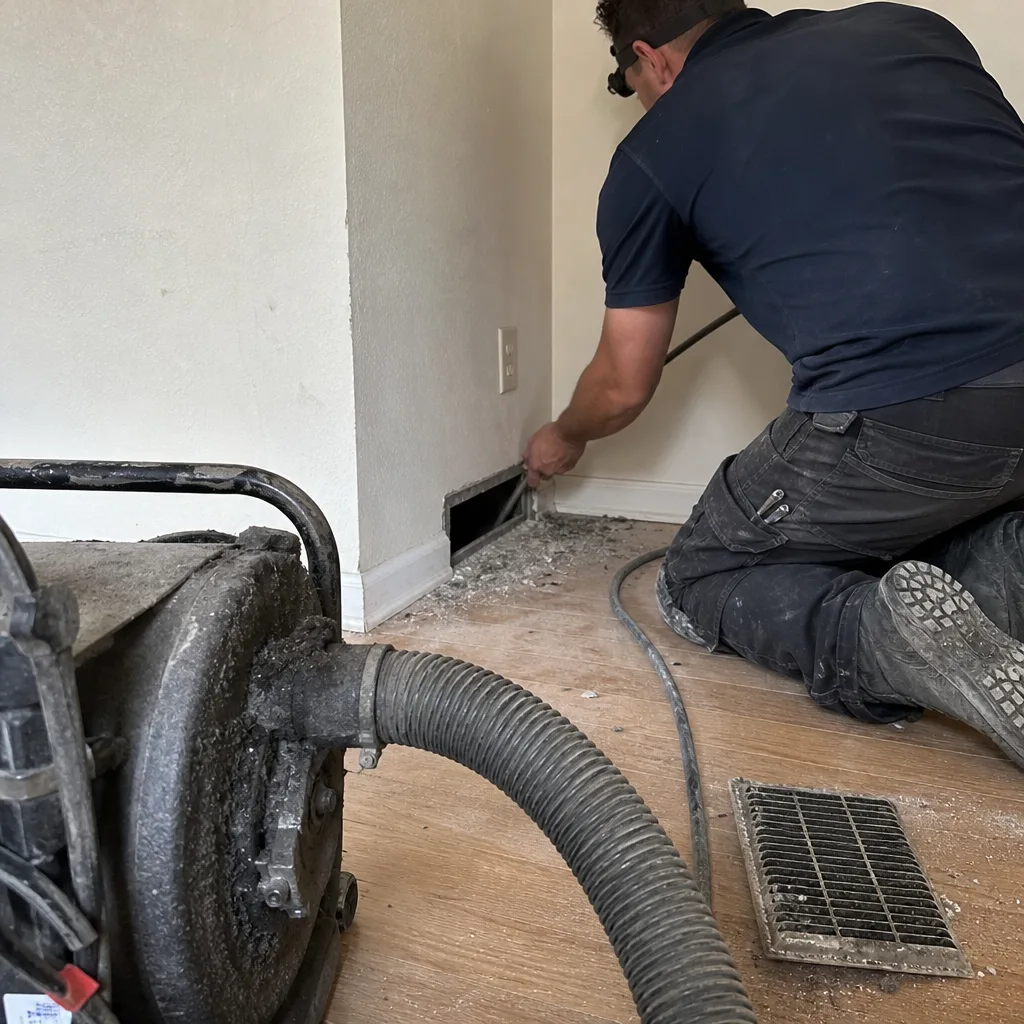 Before
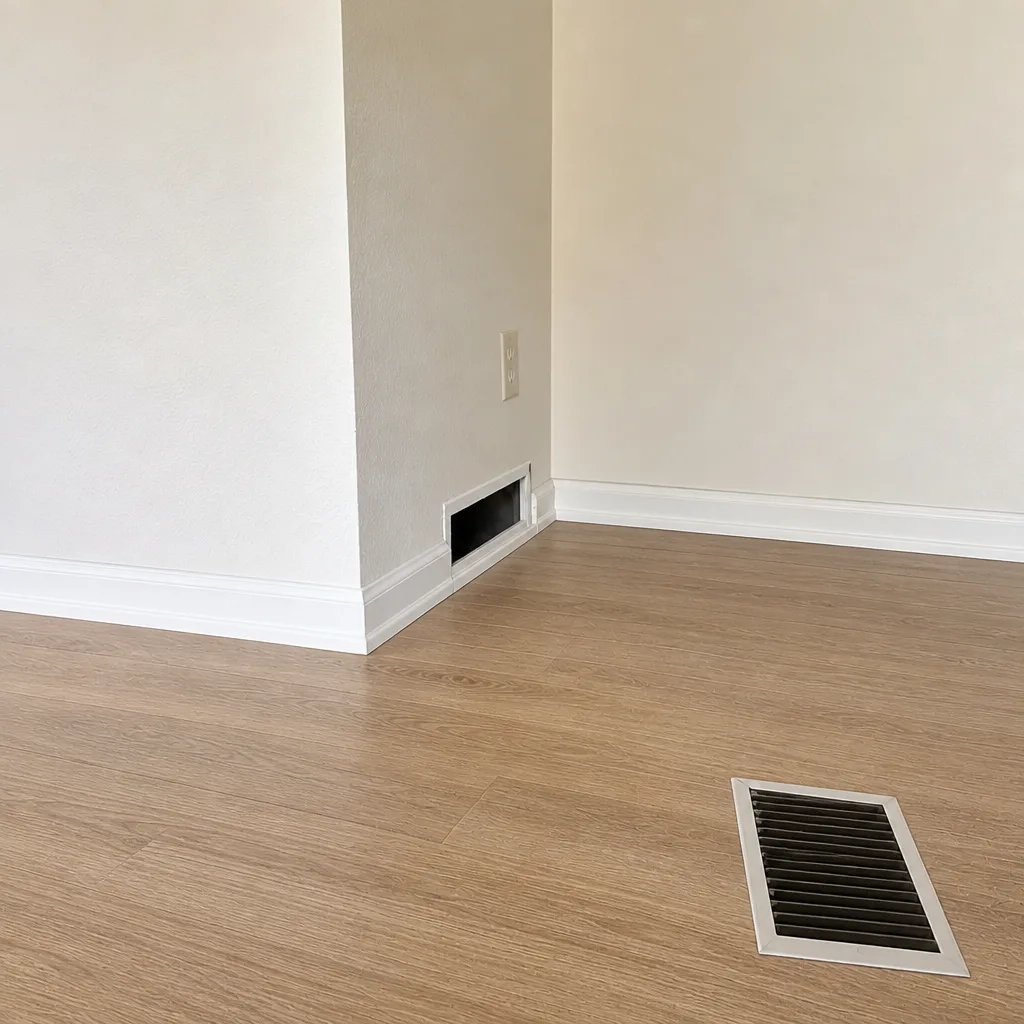 After
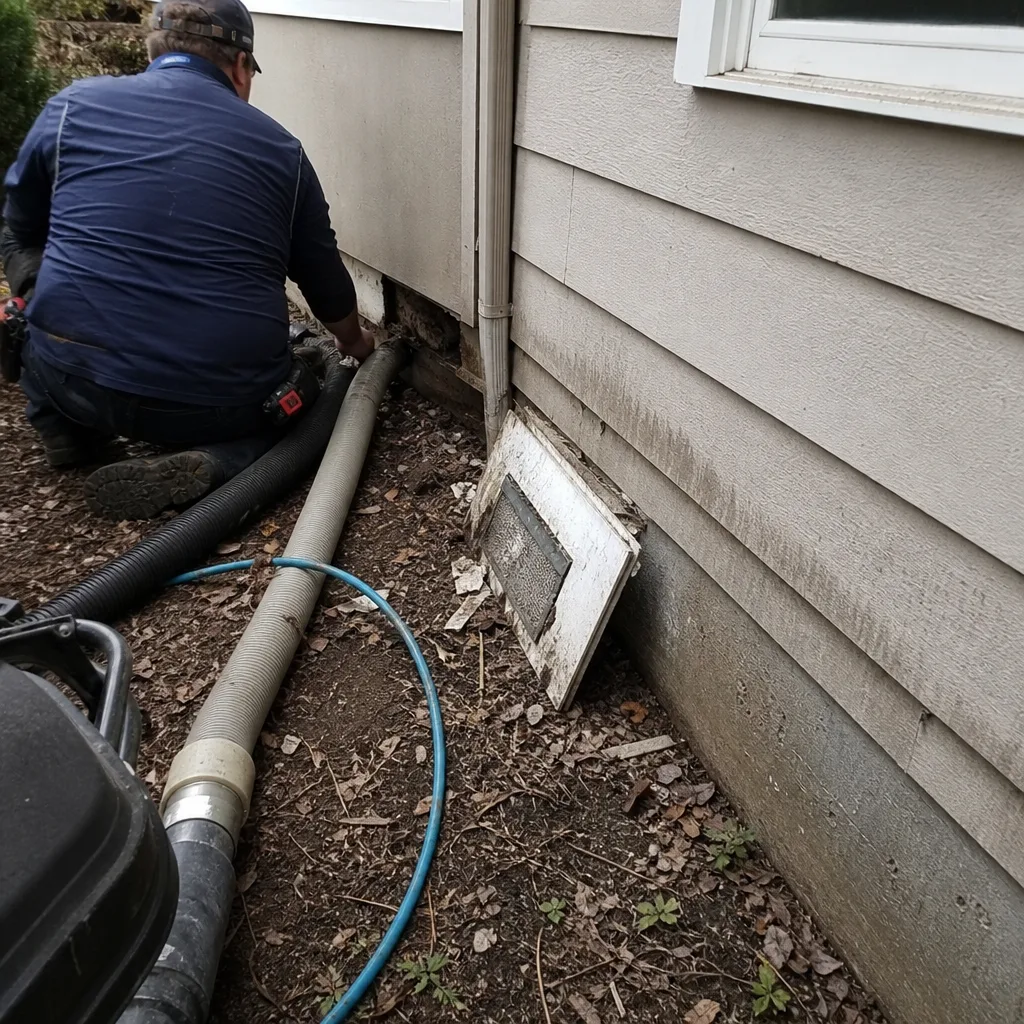 Before
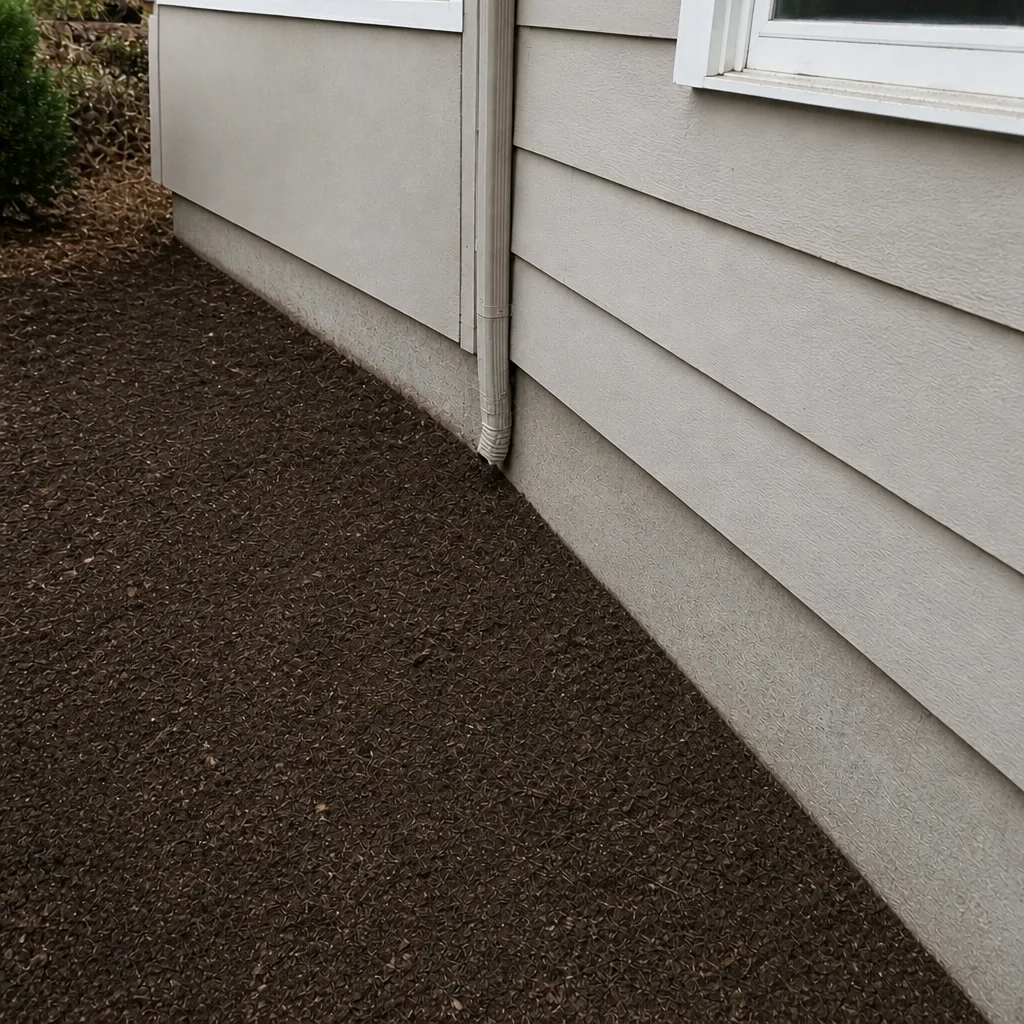 After
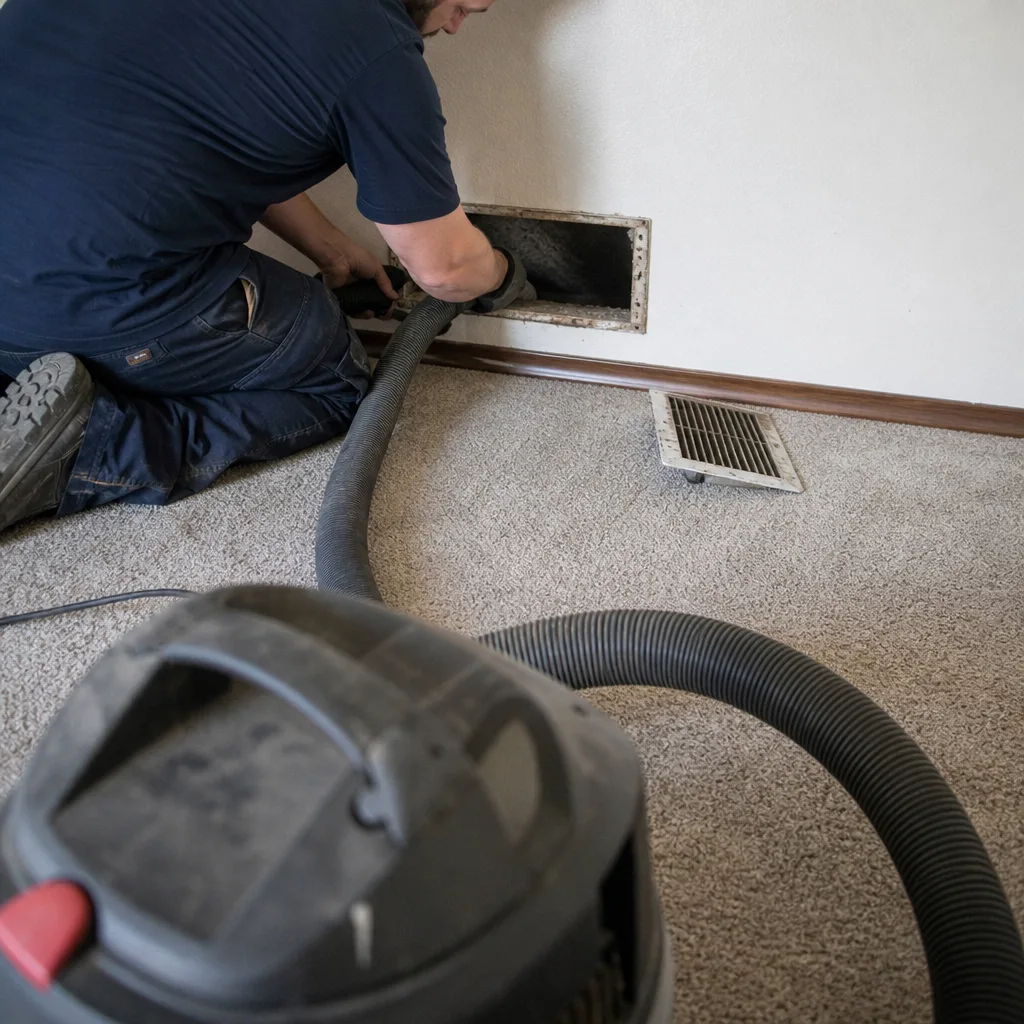 Before
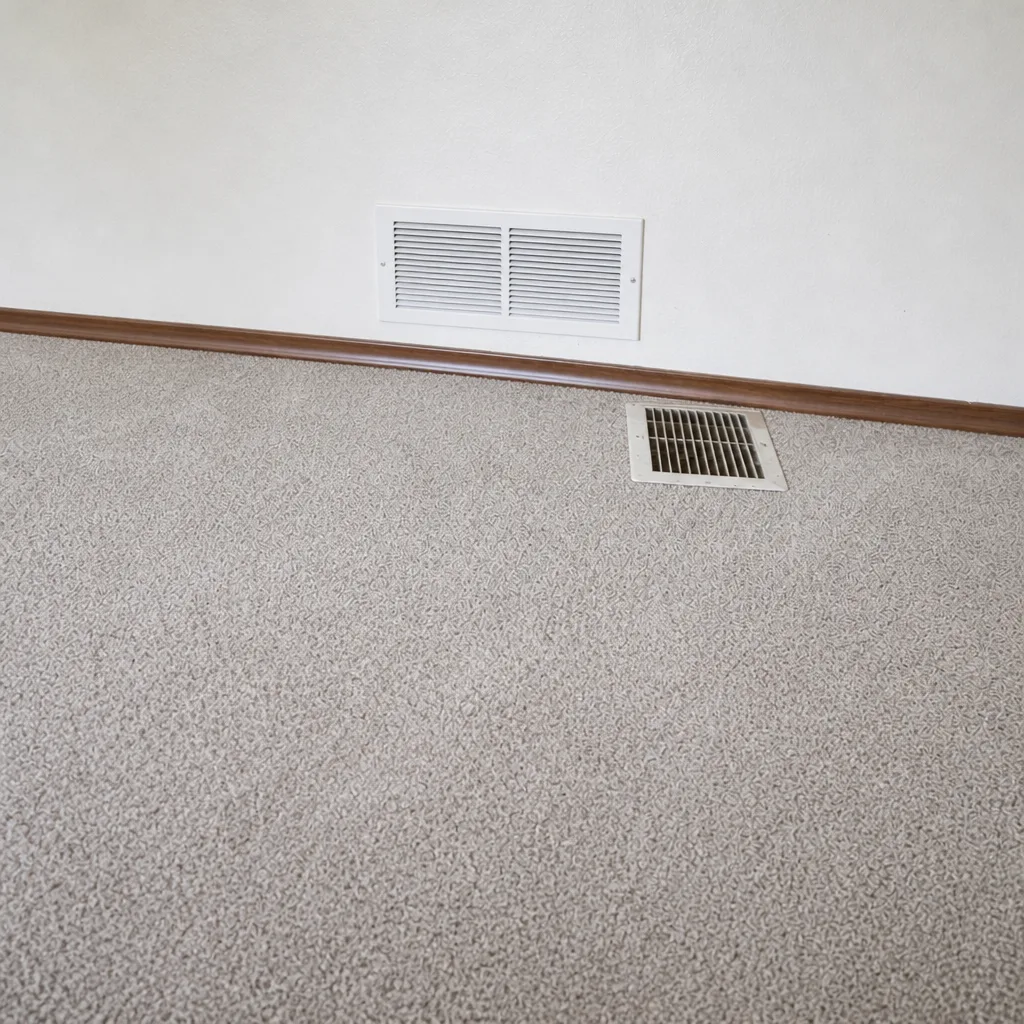 After
When to Call a Professional
Call when any of these show up: a musty smell at the return that persists after a filter change; a register you’ve logged as weak that got weaker; visible debris or biological growth at a grille; dampness at a boot or collar when the system runs; a recent renovation that produced heavy dust; pets in the home whose dander shows up at the grille faster than before; or an annual inspection that’s overdue. The right answer in each case is a proper audit, not a filter swap.
South Hill Air Duct Cleaning Pros is a specialist operation; we work on duct and HVAC systems exclusively, and we use commercial-grade equipment that’s designed to contain contamination rather than push it around. We connect South Hill homeowners with vetted local professionals who are licensed and insured as their state requires. Estimates are free. Call (833) 772-9858. We answer 24/7. Fast dispatch from 7am to 7pm, Sunday through Friday.
Frequently Asked Questions
Most whole-system air duct cleanings in South Hill run in the low-to-mid hundreds of dollars, with the exact range depending on the size of the home, the number of runs, and whether duct repair or sealing is needed. Anything quoted as a per-vent figure is a shortcut; ask for a whole-system flat price. Call (833) 772-9858 for an exact quote; estimates are free.
Usually because they aren’t doing the same job. A cheap quote often skips equipment (no negative-air containment), skips the coil, or prices per vent so registers get a cursory pass. Whole-system pricing with professional-grade extraction and before-and-after photos is the model that matches the work. Call (833) 772-9858 for a scope-based quote.
Before-and-after photos of your own ducts, a walked register count against the estimate, and a debrief at the truck. Ask specifically for the interior of the main trunk and the worst register, and confirm the coil was inspected. If the report doesn’t cover these, ask. Call (833) 772-9858 with any question about what a proper cleaning should include.
For most South Hill households, every 2 to 3 years, with an annual professional inspection in between to catch leakage and bypass early. Pets, recent renovation, allergy or asthma in the household, and a high-MERV filter all push the cadence toward the shorter end. Call (833) 772-9858 for a free assessment.
Yes, in the ordinary case. The main safety concern is containment of dislodged particles during the clean, which is why professional jobs use negative-air equipment on site rather than standard vacuum pressure. A technician should walk through the setup at the start. Call (833) 772-9858 with any safety question specific to your home.
Not necessarily. A higher MERV rating changes the contaminant profile and puts more demand on the blower; it doesn’t remove the need for inspection or cleaning. If the filter frame bypasses, a higher-MERV filter just adds resistance without catching more. Call (833) 772-9858 to confirm your filter setup is working as intended.
The Bottom Line
Duct maintenance is a system-health audit, not a cleaning reminder. The monthly tier is yours: filter checks, register feel, visual observations, a simple log. The annual tier needs instruments and a trained technician: static pressure, coil condition, joint integrity, bypass. Cleaning lands on a 2 to 3 year cadence for most South Hill homes, and the post-cleaning checklist confirms the work was done the way it should be. A whole-system flat price agreed before work starts, before-and-after photos, and the same-visit ability to repair and seal whatever the audit finds are the standard to expect. Our technicians have up to 14 years of experience with the systems that move the air your family breathes.
If your log has a flag on it, or if the audit is overdue, we’re ready to help. South Hill Air Duct Cleaning Pros connects South Hill homeowners with vetted, licensed, and insured local professionals who use professional-grade equipment, not consumer shortcuts. Call (833) 772-9858. We answer 24/7. Fast dispatch from 7am to 7pm, Sunday through Friday.
Written by the team at South Hill Air Duct Cleaning Pros.